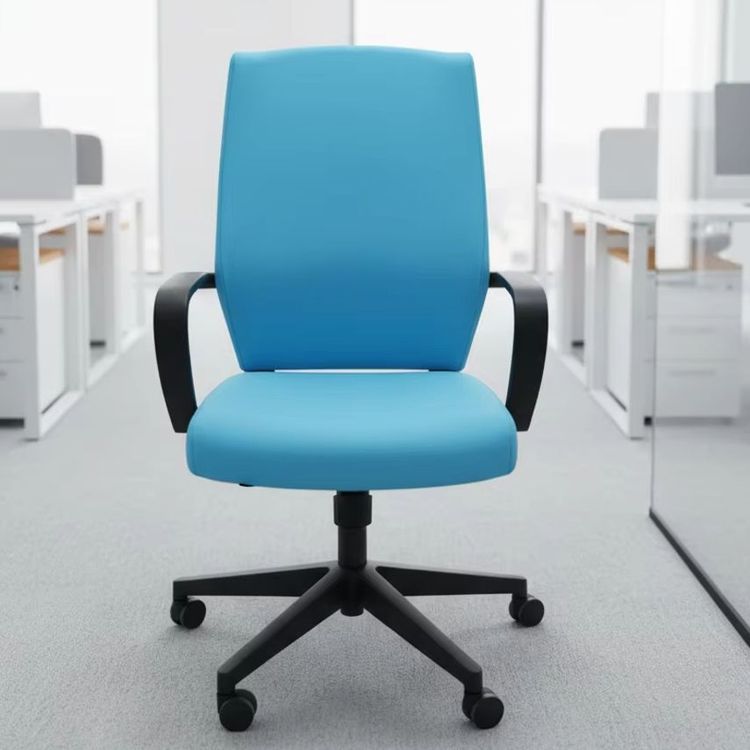
Office Chair Width Height & Size Standards Explained
The height of office chairs usually has clear standards, but there is a lack of unified norms for width and size standards, which need to be considered comprehensively in combination with ergonomics and usage scenarios. Here is a detailed explanation:

Height Standards: The seat height of an office chair is one of the core parameters, directly affecting the user's sitting comfort and health. According to ergonomic principles, the seat height is usually designed to be adjustable within a range of 35-45 centimeters, with a lifting range of up to 24-30 centimeters. This design aims to accommodate the needs of people of different heights: for example, users who are 160-180 centimeters tall can adjust the chair so that their thighs are parallel to the ground, their knees are bent at a 90-degree angle, and their feet are naturally on the ground, thereby distributing body pressure and reducing fatigue from prolonged sitting. Some high-end office chairs are also equipped with pneumatic lifting rods that support one-touch adjustment, further enhancing convenience of use.
Width Standards: Unlike height, there is a lack of unified norms for the width standards of office chairs, which mainly depend on the type of seat design. The common range of seat widths is 40-60 centimeters, including:
- Narrow seats (40-45 centimeters) are suitable for small office environments with limited space or for users with a slender build;
- Standard seats (45-55 centimeters) can meet the needs of most adults, providing sufficient buttock support;
- Wide seats (55-60 centimeters) are suitable for people with a larger build or those who need extra space for movement.
It should be noted that wider seats are not necessarily better, as overly wide seats may lead to insufficient lumbar support and adversely affect sitting posture.
Size Standards: The size of an office chair needs to comprehensively consider seat depth, backrest height, and armrest design.
- Seat Depth: Usually 40-45 centimeters, it should ensure that the user's back can fit against the backrest while the front part of the thighs is not compressed by the front edge of the seat;
- Backrest Height: The backrest height of a standard office chair is 50-65 centimeters, providing support up to below the shoulder blades; the backrests of executive chairs or ergonomic chairs may be higher to provide neck support;
- Armrest Design: The height of the armrests should be level with the desktop (about 68-72 centimeters), and the width should match the seat to avoid the arms hanging in the air or being overly abducted.
Purchase Recommendations: For long-term use, it is recommended to prioritize products with adjustable height, moderately wide seats (45-55 centimeters), and seat depth and backrest that conform to ergonomics. For special needs (such as a large build or small space), you can choose wide or narrow seats accordingly and ensure that components such as armrests and lumbar supports are adjustable to enhance personalized comfort.
You may also like

Office Chair Adjustable Height Size Guide: Finding the Right Fit
Read More
Office Chair Seat Cushion Breathable Explained: How to Choose the Right One
Read More
Aluminum Office Chair Buying Guide: What to Know Before You Buy
Read More