Back to blog
Article
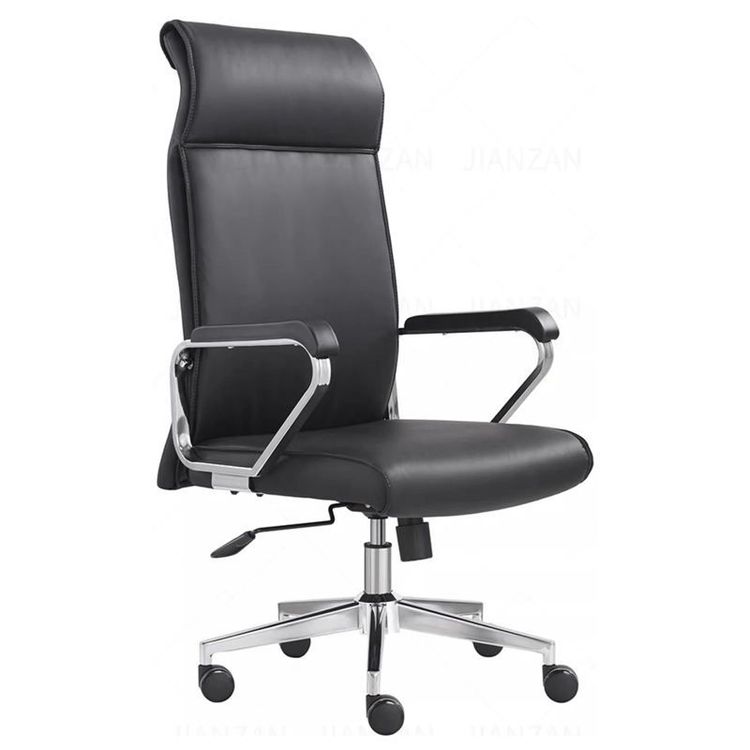
Office Chair Premium Picture Buying Guide: Features, Options & Tips
Admin November 29, 2026
When selecting a premium office chair, focus on three core elements: lumbar support, adjustability, and material craftsmanship. Choose a model based on your budget and usage scenario, and be mindful of potential pitfalls and the use of auxiliary tools.

I. Core Selection Factors
Lumbar Support
- Adjustability: Prioritize models that support height and depth adjustments to accommodate different body types (e.g., differences in user needs for heights ranging from 160-190cm). Trend forecasts for 2026 indicate that dynamic support designs (e.g., elastic structures that automatically adjust with sitting posture) can more effectively relieve lumbar pressure.
- Material Selection: Mesh materials offer better breathability, suitable for prolonged use; foam materials provide more uniform support but require attention to resilience.
Adjustability
- Multi-Dimensional Adjustments: Include seat depth (to fit thigh length), height (to match desk height), armrest angle/height (to support natural arm drop), and headrest position (to support the cervical spine). For example, the Herman Miller Aeron offers 12 adjustment functions to meet various scenarios from sitting to semi-reclining.
- Scenario Adaptation: If frequent switching between office and meeting modes is required, focus on testing the flexibility of armrest rotation and headrest adjustments.
Material and Craftsmanship
- Stability: For the frame material, it is recommended to choose aluminum alloy or high-strength plastic, with a load-bearing capacity of over 130kg.
- Surface Treatment: For mesh chairs, check the weave density (e.g., threads per inch); for foam chairs, focus on the abrasion resistance of the surface (e.g., PU leather is more durable than PVC).
- Key Components: The gas lift should be BIFMA-certified (e.g., SGS Class 3 gas lift), and the wheels should be suitable for carpets or hard floors (e.g., silent soft wheels or hard nylon wheels).
II. Premium Model Recommendations
- Herman Miller Aeron: The benchmark for ergonomic design, available in S/M/L sizes, supports continuous use for over 8 hours, but comes at a higher price (approximately 12,000-18,000 yuan).
- Branch Ergonomic Chair: A cost-effective option (approximately 3,000-5,000 yuan), featuring basic adjustment functions (e.g., 4D armrests, adjustable lumbar support), suitable for users with a limited budget but seeking quality.
III. Pitfall Avoidance Guide
- Functionality Verification: Avoid paying for 'pseudo-ergonomic' designs (e.g., fixed lumbar supports, non-adjustable armrests). During test sitting, focus on checking whether the lumbar support fits well and whether the armrests are level with the desk.
- After-Sales Policy: Confirm the warranty scope (e.g., 5 years for the frame, 3 years for the gas lift) and return/exchange conditions (e.g., whether a 30-day no-questions-asked return is supported).
IV. Additional Tools and Suggestions
- Desk-height Calculator: Enter your height (e.g., 175cm) to get a benchmark for seat height (approximately 43-48cm), avoiding shoulder and neck fatigue due to improper height.
- 20-20-20 Rule: Every 20 minutes, stand up and move for 20 seconds. Combining this with the chair's 'recline function' (e.g., a 135° incline) can further reduce the risks of prolonged sitting.
Related