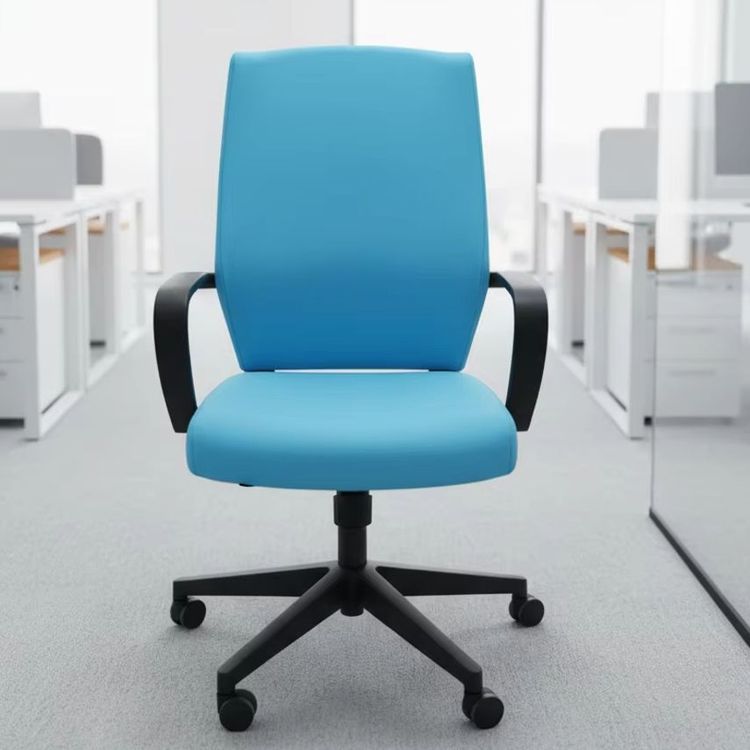
Office Chair Maintenance: Extend Its Lifespan
The key to extending the lifespan of an office chair lies in regular maintenance, especially the upkeep of adjustable components.

Firstly, maintaining the height adjustment function is crucial for prolonging the life of an office chair. If the chair fails to rise or lower properly, it may indicate a malfunction in the height adjustment mechanism or damage to the gas spring (gas lift). In this case, check if the gas spring is leaking air or stuck, and replace it if necessary. The gas spring is the core component supporting the seat's升降 (rise and fall). After prolonged use, it may experience wear or seal failure, leading to reduced functionality. Timely replacement can prevent the risk of sudden seat collapse.
Secondly, lubricating moving parts is an effective way to prevent malfunctions. Components such as the chair's casters, armrest adjustment joints, and backrest tilt mechanisms require regular lubrication. Applying specialized lubricating oil or silicone-based lubricant to moving joints reduces friction and prevents wear or seizure due to dryness. For example, if the casters lack lubrication for an extended period, they may roll poorly or even damage the floor; a stuck backrest tilt mechanism can affect comfort during use.
Thirdly, promptly repairing damaged parts can prevent issues from escalating. If you notice a broken gas lift, detached casters, or a cracked five-star base, stop using the chair immediately and replace the parts. For instance, a broken gas lift can cause the seat to suddenly drop, posing a safety hazard; damaged casters can exacerbate floor wear and affect the chair's smooth movement. Choosing high-quality replacement parts that match the original chair can restore its functionality and extend its overall lifespan.
Lastly, daily usage habits also impact the chair's lifespan. Avoid excessive force when adjusting functions (such as yanking the armrests or pressing down hard on the backrest) to reduce impact on the components; regularly clean the chair's surface and crevices to prevent dust buildup from affecting the flexibility of moving parts; avoid exposing the chair to extreme temperatures or humid environments to prevent material aging or rusting of metal components.
By implementing these maintenance measures, you can significantly enhance the durability and performance stability of your office chair, reduce the frequency of replacements, and achieve long-term economic use.