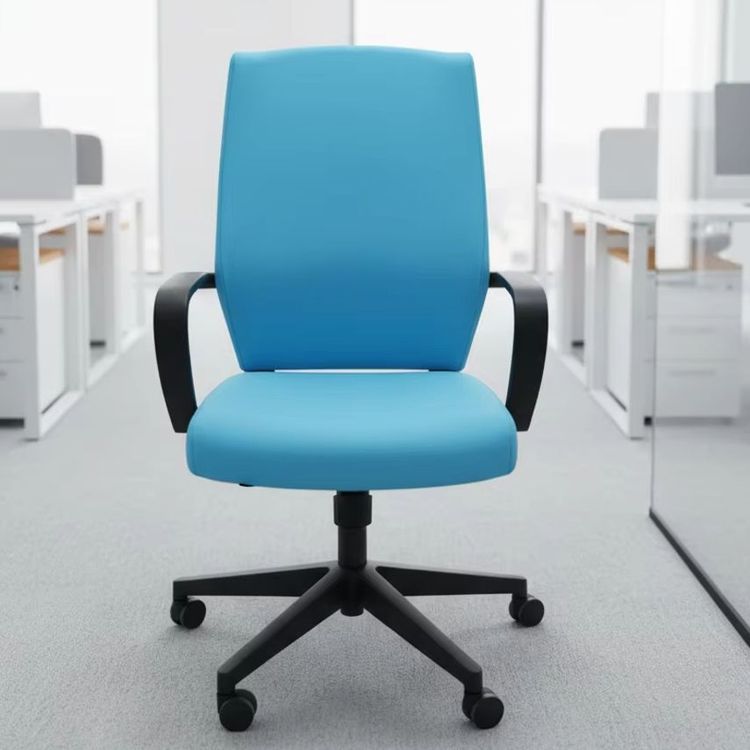
Office Chair Height Adjustment, Armrest Height & Size Standards Explained
The core principles of office chair height adjustment, armrest height, and size standards are to meet ergonomic needs, but specific values should refer to international standards (such as IEA or ANSI/BIFMA). Here is a key analysis:

1. The Core Function of Height Adjustment
Adjustable-height office chairs are one of the core features of ergonomic design, primarily aimed at accommodating users of different heights. By adjusting the seat height, users can ensure their feet rest naturally on the ground, preventing leg circulation issues caused by suspension or muscle fatigue from excessive stepping. Additionally, height adjustment helps users maintain the natural curve of the spine, reducing pressure on the lumbar region during prolonged sitting and lowering the risk of back pain. For example, users who are 160cm and 185cm tall have significantly different seat height requirements, which can be addressed through adjustable features.
2. The Adaptation Principles of Armrest Height
The appropriateness of armrest height directly affects the relaxation of the shoulders, neck, and arms. If the armrests are too high, users must raise their shoulders to reach them, causing continuous tension in the trapezius muscles. If the armrests are too low, arms must hover while operating the keyboard or mouse, increasing shoulder and neck strain. The ideal state is for the armrest height to be level with the desktop, allowing the arms to hang naturally with the elbows bent at 90°. Furthermore, the width of the armrests should match the user's shoulder width to avoid restricting arm movement if too narrow or causing body leaning if too wide. Some high-end office chairs also support forward-backward and angular adjustments of the armrests to adapt to different work scenarios (such as typing or reading).
3. Key Standards for Size Adaptation
In addition to height and armrests, the size of an office chair should consider the following dimensions comprehensively:
- Seat Height: Based on the user's feet resting flat on the ground, the lowest point of the seat should meet the needs of shorter users, while the highest point should accommodate taller users.
- Seat Depth: The distance from the front edge of the seat to the backrest should leave a gap of 2-4 fingers to prevent the seat cushion from pressing on the blood vessels and nerves behind the knees.
- Lumbar Support Position: The lumbar support should conform to the natural curve of the lumbar spine in a seated position (approximately the 3rd to 5th lumbar vertebrae), rather than simply pursuing support intensity. Too high may compress the ribs, while too low will fail to support the lumbar spine.
4. Reference Basis for Standard Values
Currently, publicly available information does not provide specific values (such as the range of armrest heights or recommended seat depths), but standards issued by the International Ergonomics Association (IEA) and the American National Standards Institute/Business and Institutional Furniture Manufacturers Association (ANSI/BIFMA) typically include detailed criteria. For example, the ANSI/BIFMA X5.1 standard specifies that the seat height adjustment range of office chairs should cover 40-50cm, and the armrest height adjustment range should cover 20-30cm. It is recommended that users request manufacturers to provide test reports compliant with international certifications or refer directly to relevant standard documents when making purchases.
You may also like

Office Chair Adjustable Height Size Guide: Finding the Right Fit
Read More
Office Chair Seat Cushion Breathable Explained: How to Choose the Right One
Read More
Aluminum Office Chair Buying Guide: What to Know Before You Buy
Read More