
Office Chair Components, Parts & Structure Explained
The components and structure of an office chair mainly consist of eight basic components and some additional functional components, which work together to provide support, adjustability, and comfort.

Basic Structural Components
Casters
Located at the bottom of the chair, typically consisting of five swivel wheels made of hard plastic or rubber. Their primary function is to enable free movement of the chair while reducing wear on the floor through wheel surface design (e.g., soft rubber). Some high-end models are equipped with brake wheels to fix the position and prevent sliding.Five-Star Base
Made of metal (such as aluminum alloy or steel) or high-strength plastic, featuring a five-claw star-shaped structure. Its design purpose is to distribute body weight and ensure chair stability. Metal bases offer greater load-bearing capacity, while plastic bases are lighter and more cost-effective.Gas Lift
The core component connecting the base to the seat, filled with high-pressure nitrogen gas to enable seat height adjustment through piston movement. High-quality gas lifts must pass safety certifications (such as BIFMA standards) to prevent explosion risks. The adjustment range is typically 40-50 centimeters to accommodate users of different heights.Chassis
Located beneath the seat, integrating control mechanisms (such as levers or knobs). Its functions include locking/releasing the tilt function, adjusting the recline tension, and some models also support seat depth adjustment. The chassis is usually made of steel or engineering plastic to withstand dynamic body pressure.Seat
Filled with wood, foam, or memory foam, and covered with fabric, mesh, or leather. The design focuses on distributing hip pressure and providing lasting support. Mesh seats offer better breathability for prolonged use, while memory foam seats conform to body curves but may feel hot in summer.Backrest
Often designed as one piece with the seat or separately, filled similarly to the seat but with additional lumbar support reinforcement. Some models are equipped with adjustable lumbar supports that move up and down via mechanical or pneumatic devices to accommodate users of different body types.Armrest Assemblies
Available in fixed or adjustable styles, with materials including plastic, metal, or soft padding. Adjustable armrests support height, angle, or forward/backward sliding adjustments to reduce shoulder and arm fatigue, especially suitable for typing or mouse operation scenarios.Tilt Mechanism
Integrated into the chassis to control the chair's recline angle and resistance. Common types include synchronous tilting (seat and backrest recline together) and independent tilting (only the backrest reclines). Some high-end models support multi-position locking to meet different needs for rest or work.
Additional Functional Components
- Headrest: An optional accessory fixed to the top of the backrest via a bracket, providing neck support for reclining rest scenarios.
- Footrest: A foldable design that unfolds to support the legs, relieving prolonged sitting fatigue, commonly found in high-end office chairs.
- Mounting Plate: Located at the connection between the gas lift and the seat, reinforcing structural safety to prevent seat detachment in case of gas lift failure.
All components are precisely assembled to form a complete office chair. Users can choose between basic models or functionally upgraded models based on their needs to balance comfort, durability, and budget.
You may also like

Office Chair Seat Cushion Breathable Explained: How to Choose the Right One
Read More
Aluminum Office Chair Buying Guide: What to Know Before You Buy
Read More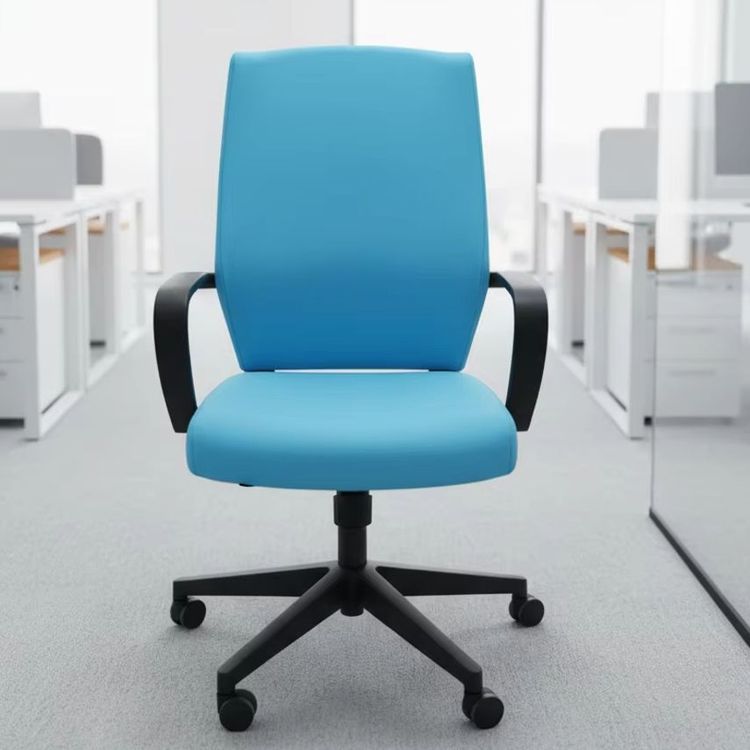
Best Office Chair Headrest: Comparison & Buyer's Guide
Read More