
Office Chair Caster Quality
The quality of office chair casters is influenced by various factors such as material, durability, and manufacturing process.
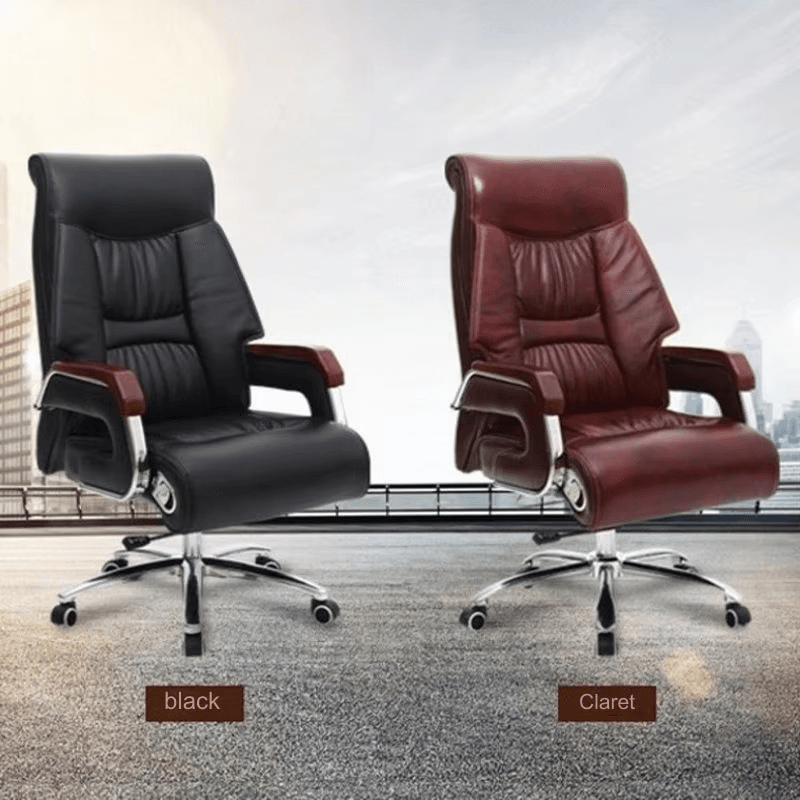
From the perspective of materials, the performance of casters made of different materials varies significantly. Nylon material has the characteristics of a high-molecular polymer. Its elongation at break can reach 300%, effectively absorbing the impact energy during movement and reducing damage to the floor. The Rockwell hardness of polyamide materials usually ranges from r110 to r118, making them suitable for bearing dynamic loads of 80 - 120kg, which is ideal for general office settings. Cold-rolled steel casters are made of SPCC steel and have an electroplated surface. Their compressive strength can reach 450MPa. After 100,000 rolling tests, the deformation does not exceed 1.5% of the original size, making them suitable for high-intensity usage environments, such as scenarios involving frequent movement or carrying heavy items.
Durability is an important indicator for measuring the quality of casters. High-quality casters need to pass rigorous physical tests, including an ultimate load test of 113KG and a 100,000-time sliding test (of which 98,000 times of obstacle-free sliding simulate long-term daily smooth movement, and 2,000 times of obstacle sliding deal with obstacles such as carpets and tile joints). These tests can effectively test the hardness and toughness of the casters, prevent the risk of breakage, and ensure their stable performance during long-term use.
There are significant differences between high-quality and low-quality casters. Low-quality casters may often emit harsh noises during use, affecting the quietness of the office environment and potentially having a negative impact on the physical and mental health of employees. Their load-bearing capacity is often weak, and exceeding the capacity may cause the chair to suddenly tip over, resulting in personal injuries and property damage. In contrast, high-quality casters are made of high-quality materials and fine manufacturing processes. They operate smoothly and quietly, have strong load-bearing capacity, and remain stable even under heavy loads. In addition, high-quality casters are designed with ease of use in mind, making installation and removal convenient and reducing maintenance costs. They focus on user experience, with smooth rotation, stable fixation, and certain durability, enabling them to operate stably for a long time in harsh working environments, reducing the frequency of replacement and saving costs.


