New Office Amenities That Help People Return to the Workplace

Everyone seems to be asking the same question: "Which new office amenities will help people return to the workplace?" Before the pandemic, the best office spaces were already offering people more and more options and increasingly rich amenities.
However, we've found that the amenities that create the most value are those closely tied to people's needs — and bound up with innovation, creation, and collaboration. After more than two years of remote work, new demands are emerging for the amenities of the office.
01 People-centered amenities are key
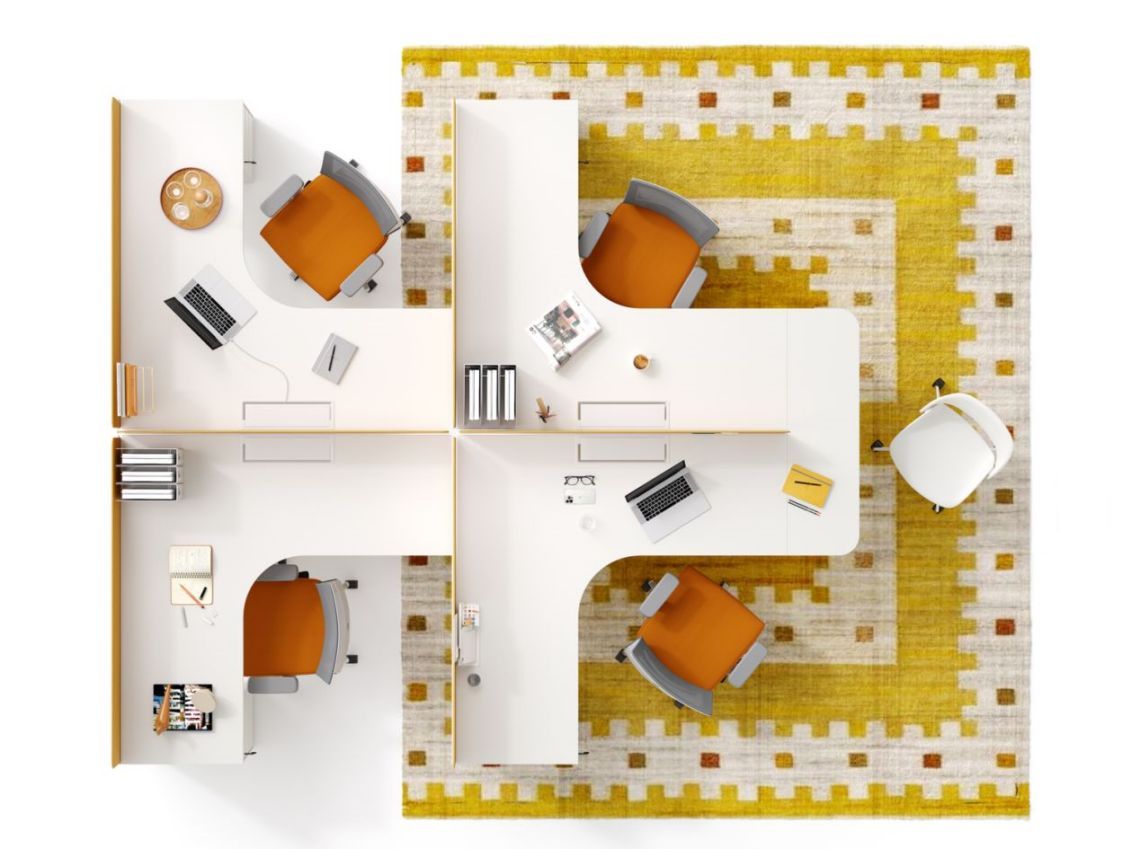
The office's role has changed. Gensler's global workplace survey shows that office workers consider "working face-to-face with their team/colleagues" the top reason to come back to the office. Moreover, no matter when the survey was conducted during the pandemic — and whether viewed through the lens of industry, generation, or country — this has always been the most important reason for office workers to return. In the US, a major reason for coming back is being able to build bonds and socialize with colleagues. Being around people may become a new office amenity in itself — and for companies that haven't yet resumed operations, it's precisely the pull that draws employees back to the office.
02 Providing focus rooms
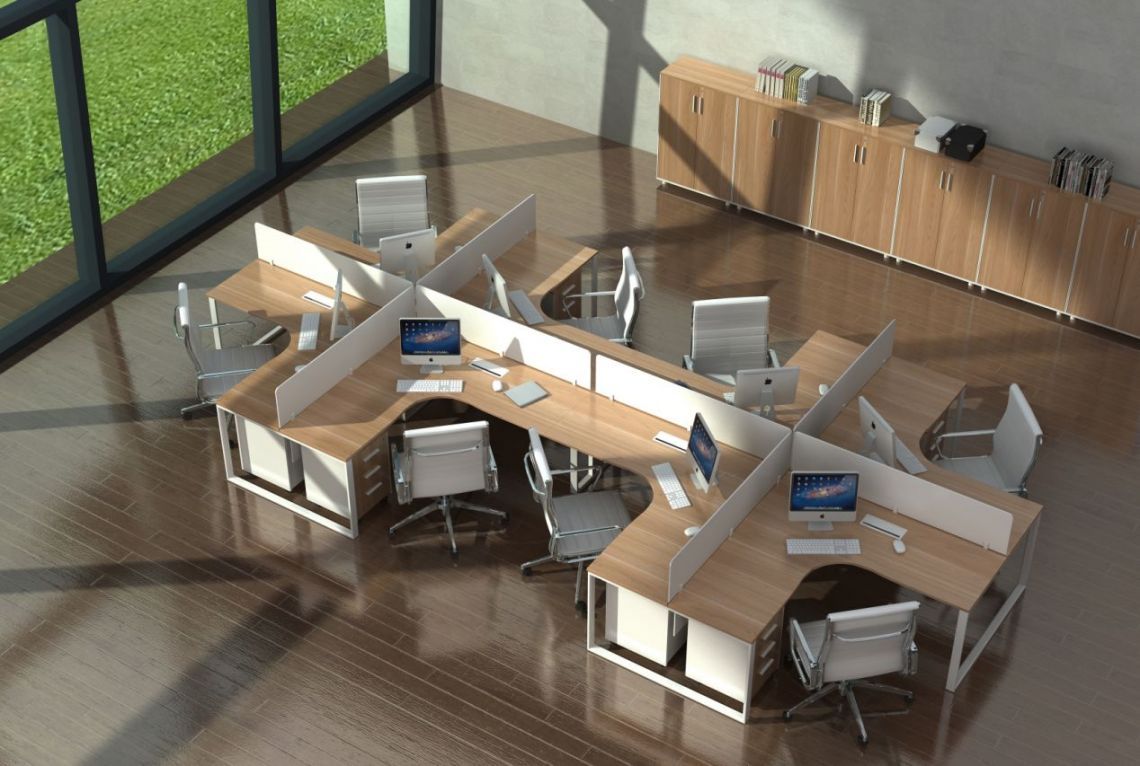
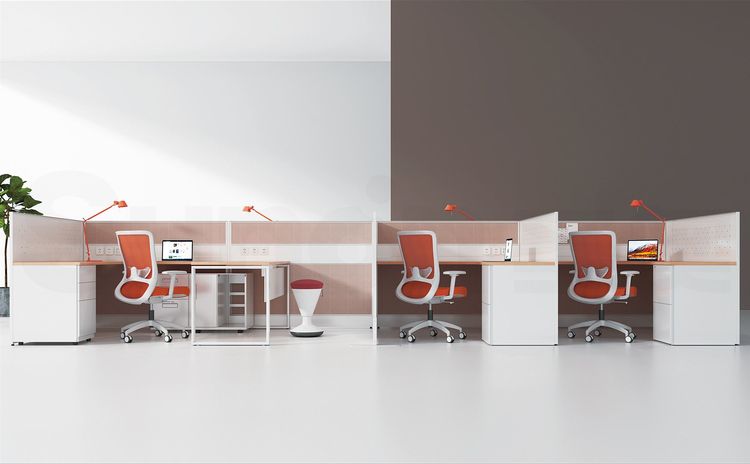
Focus-oriented spaces should let people concentrate deeply without noise, visual distractions, or interruptions. Some companies are experimenting with fixed periods free of phone calls or meetings, so employees can do work requiring deep focus during that window. Others ask employees to complete focused work at home before coming into the office. But not everyone can work with full concentration at home, and not everyone can keep their head down all day. Employees are eager for new ways of working and for spaces that support their productivity, so for organizations, the importance of providing private space — and making it easy for employees to use — has never been higher.
Now may be the time for a change: organizations should give employees open spaces that foster collaboration, while also providing a sufficient number of private spaces that help employees focus. Focus rooms are not an amenity in the optional sense — they are a key attribute that the post-pandemic office should have.
03 Providing shared amenities
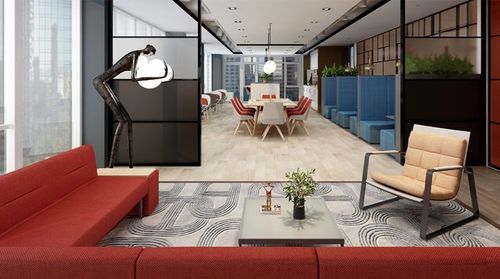
Amenities are no longer nice-to-have extras; they are a fundamental attribute of a great office. Amenities are vital to the office experience and an indispensable part of everyday work. Today's "amenities" — private enclosed focus rooms, innovation centers and labs that promote team interaction, and quiet/tech-free zones for reflection and well-being — have become part of the workplace ecosystem that draws people into the office.
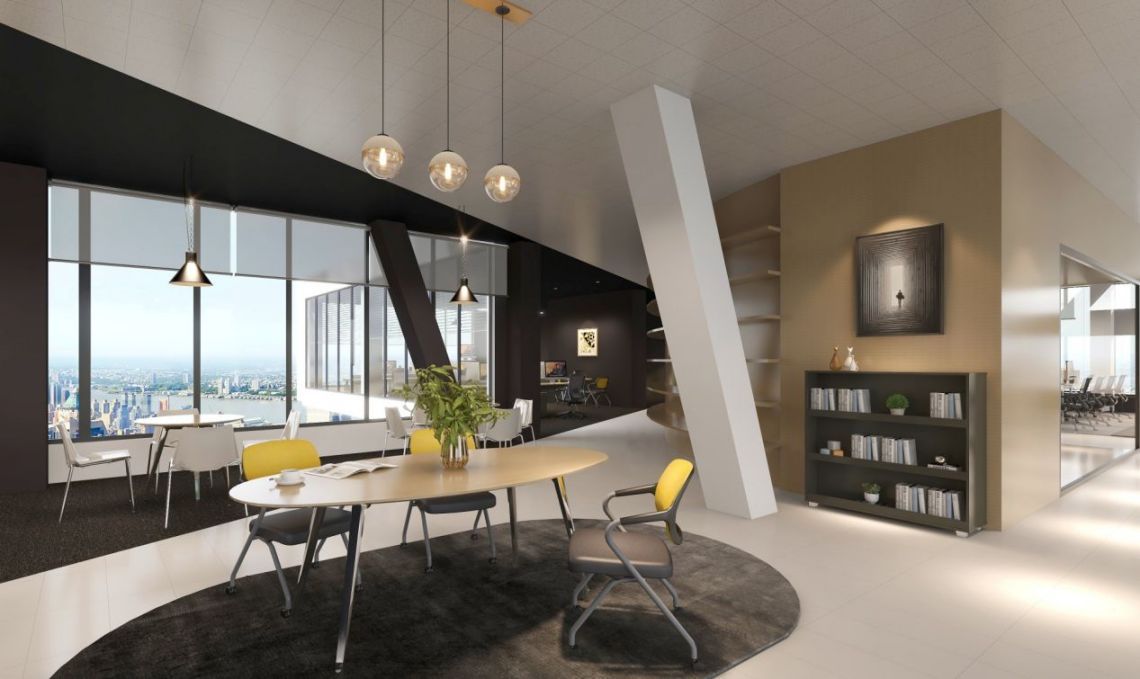
Younger generations, particularly Gen Z, also see "third spaces" as important places to work. Compared with the office, they often prefer third spaces for socializing, giving and receiving feedback on project work in person, and holding unplanned meetings. These third spaces are usually near the office — cafes, parks, libraries, outdoor areas, and the like. At the same time, we increasingly plan these kinds of spaces as shared amenities within buildings and campuses, as an extension of the office that lets employees work seamlessly inside and outside it. These spaces include office lobbies, terraces, rooftops, indoor spaces connected to the outdoors for fresh air, activity areas between buildings, and ground-floor areas opened up as "third spaces" within the building.
04 Responding to new ways of working
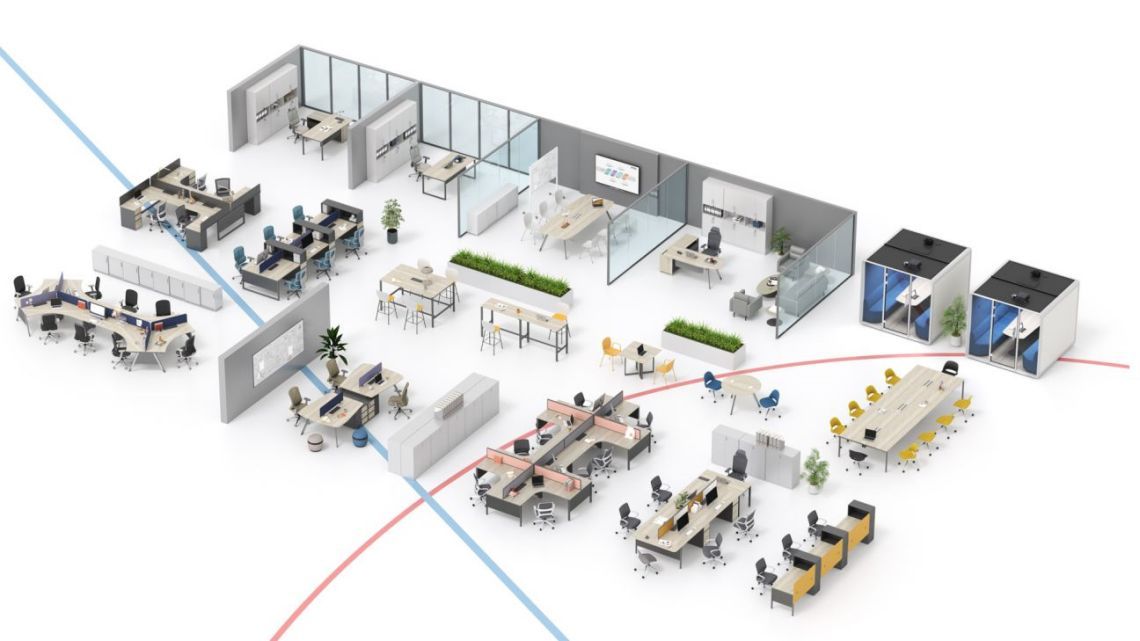
Now is the ideal time to press the reset button on the office. We can seize this opportunity to shift our focus from space performance to employee performance, and from efficiency to experience! Hybrid work is here to stay — companies should take this moment to rethink their office culture, build a more inclusive hybrid work model, and respond actively to new ways of working and people-centered approaches to space management.