
Locking Office Chair Methods
The methods for locking office chairs vary depending on the type of locking mechanism, with common operating methods as follows:
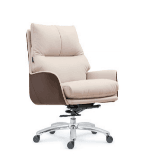
1. Office Chairs with Locking Buttons
The locking mechanism for such office chairs is typically located on the control lever beneath the chair or on the side, designed as an independent button or lever. To operate, first adjust the chair back to the desired angle (such as upright or slightly reclined), then press or flip the locking button. A 'click' sound or increased resistance indicates successful locking. Some buttons require continuous pressure to unlock, so be mindful of the force applied to avoid damaging the button.
2. Office Chairs Locked via Adjustment Knobs
Adjustment knobs are usually located at the connection between the chair back and seat cushion or at the bottom of the chair. The operating steps are as follows:
- Angle Adjustment: Adjust the chair back to the target angle (e.g., 90° upright or 120° reclined);
- Knob Locking: Rotate the knob clockwise to a tightened state until the chair back can no longer recline. Some knobs need to be pushed inward (e.g., the bottom lever) to fix the overall state of the chair (such as height or tilt function).
- Unlocking Method: Rotate the knob counterclockwise or pull it outward to restore adjustment functionality.
3. Office Chairs Controlled by Gas Springs
The gas spring is a core component of modern office chairs, and its locking function is usually achieved through a top knob or side button:
- Angle Locking: After adjusting the chair back to the ideal angle, rotate the knob at the top of the gas spring (some may require pressing) to the locked position, at which point the chair back will remain fixed;
- Height Locking: Some gas springs also control the chair height, requiring rotation of the knob to fix after adjusting the height.
- Precautions: Before operating, ensure that the gas spring has no air leaks or jams to avoid locking failure due to insufficient air pressure.
Precautions and Maintenance Recommendations
- Regular Inspection: The locking mechanism (such as buttons and knobs) should be inspected monthly to ensure no looseness or wear. If reduced resistance or unstable locking is detected, replace the components promptly;
- Avoid Overloading: Office chairs are typically designed to support a weight of 100-120kg. Overloading may cause deformation of the locking mechanism or bursting of the gas spring;
- Refer to the Manual: The locking methods for office chairs from different brands may vary (e.g., some may require simultaneous operation of multiple buttons). It is recommended to read the product manual before operating;
- Compatibility Requirements: The locking mechanism must match components such as the gas rod and base. Non-original parts may lead to reduced stability, so it is recommended to contact the manufacturer for replacements.
By operating correctly and maintaining regularly, the service life of the office chair's locking mechanism can be effectively extended, ensuring safety in use.


