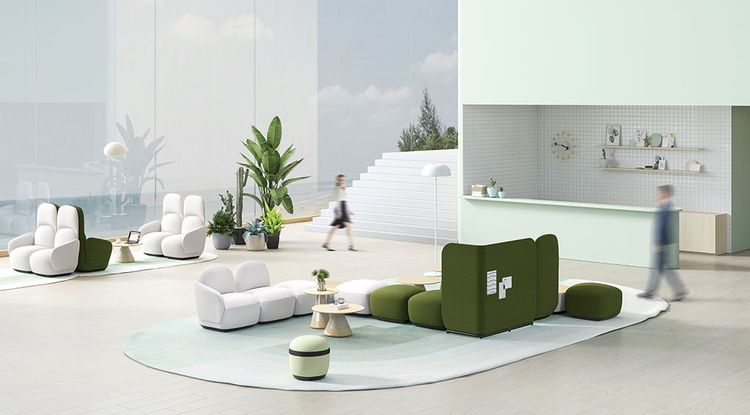
Light Is More Than Illumination: Redefining the Value of Lighting in Office Spaces
In office space design, light is often reduced to a simple matter of “lighting up the room.”
Are illuminance levels up to standard? Are screens free of glare? Does the lighting meet code? These seemingly important metrics form the foundation of traditional lighting design. But for people who spend long hours in the office, the value of light goes far beyond that.
You may have felt it yourself: sitting near a window, you slip into your working rhythm more easily; while harsh glare, dim surroundings, or sharp swings between light and dark quietly erode your attention and focus.
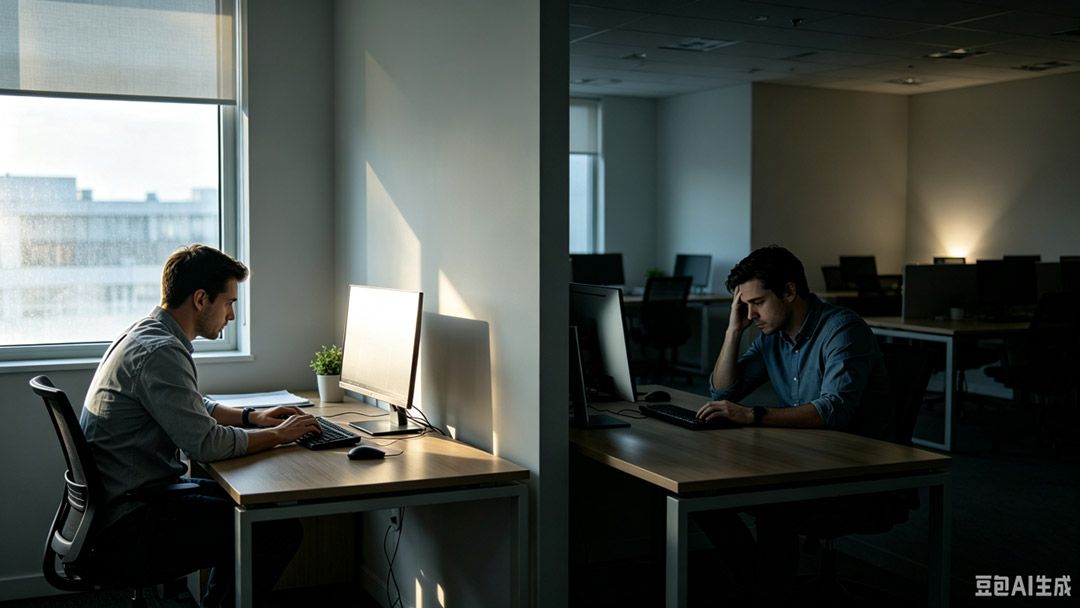
*Image generated by Doubao AI
Light is quietly shaping every state of our working lives.
From “lighting a space” to “shaping experience”
Research shows that the light environment affects visual comfort, concentration, and working rhythm.
Bringing in natural light helps a space feel pleasantly bright; soft, balanced artificial lighting reduces visual fatigue and keeps people in a steadier state through long working hours.

So an excellent office light environment isn’t about chasing “bright enough” — what matters more is making light truly serve people’s needs: immersion when focus is required, openness when conversation matters, comfort during breaks and downtime.
Different scenarios call for different light
Work in the office is increasingly diverse, and the light environment should not have only one answer.
Focus zones need fewer distractions — light that is stable and soft, helping employees settle into deep work; open collaboration areas need more transparent natural daylight to create a relaxed yet efficient atmosphere for exchange; lounge and reception areas benefit from gentler light, creating a warm, restful communication experience.
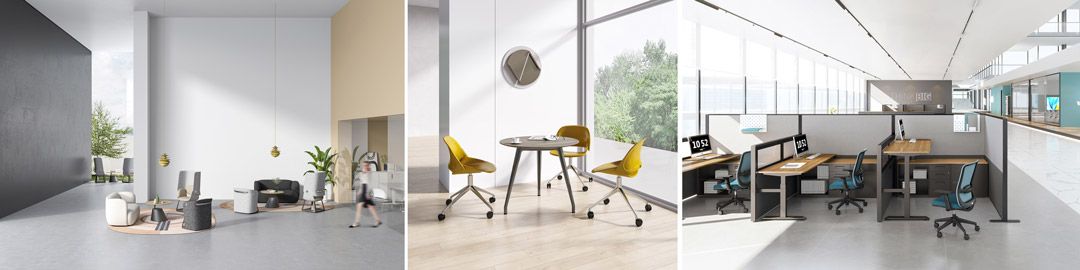
A truly valuable office doesn’t cover every scenario with a single lighting scheme — it creates light experiences tuned to different working states.
Space and furniture shape the light together
The experience of light is not built by fixtures alone.
Thoughtful workstation planning reduces screen reflections and improves visual comfort; semi-enclosed office units lower environmental distractions and give employees a more focused working corner; open, flexible layouts let natural light penetrate deeper into the workplace.
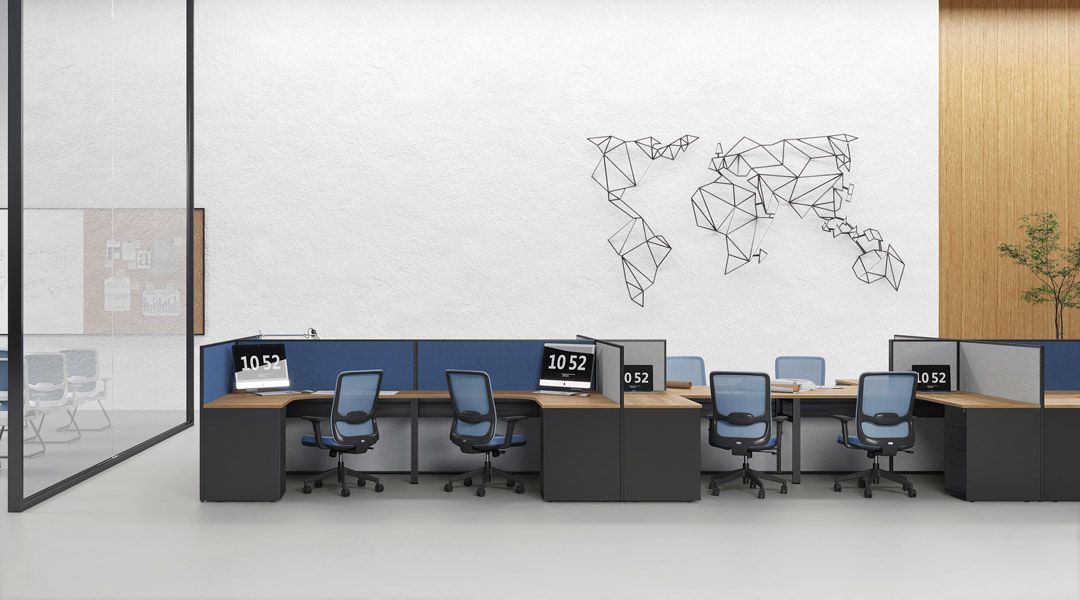
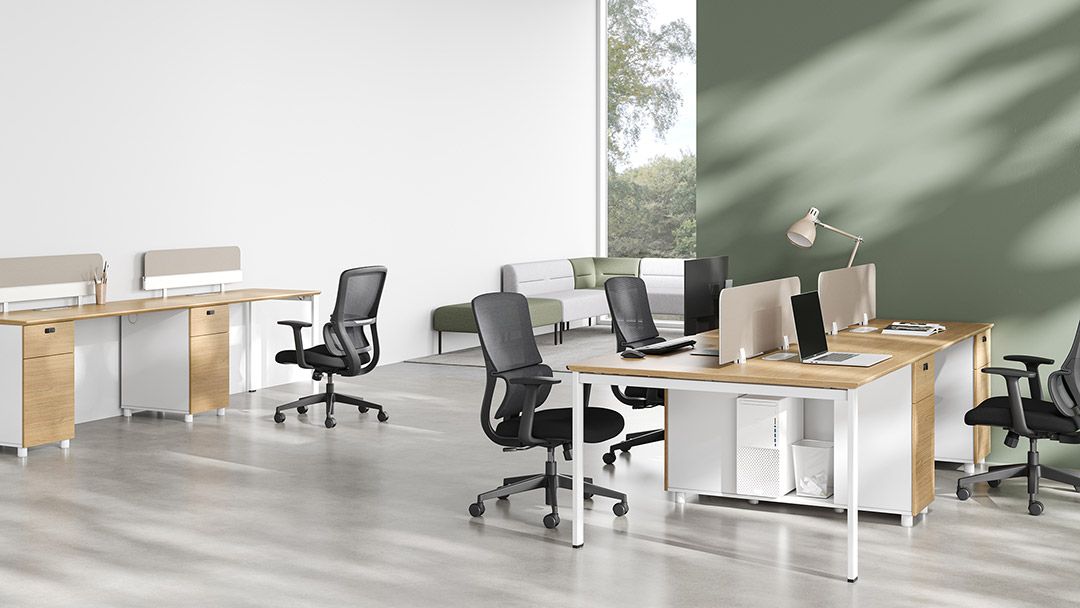
When space, furniture, and light work in concert, the office becomes more than a place to work — it becomes a space that supports free switching between different working states. It takes integrated thinking across space planning, furniture selection, and lighting design, so that light is woven into the office’s overall logic from the very start.
As a leading Chinese office furniture company, Yihang incorporates the light environment into its holistic workplace solutions. By combining a site’s daylight conditions, spatial layout, and furniture design, Yihang optimizes light distribution and anticipates glare or under-lit areas ahead of time, creating more comfortable and efficient work experiences across different office scenarios.

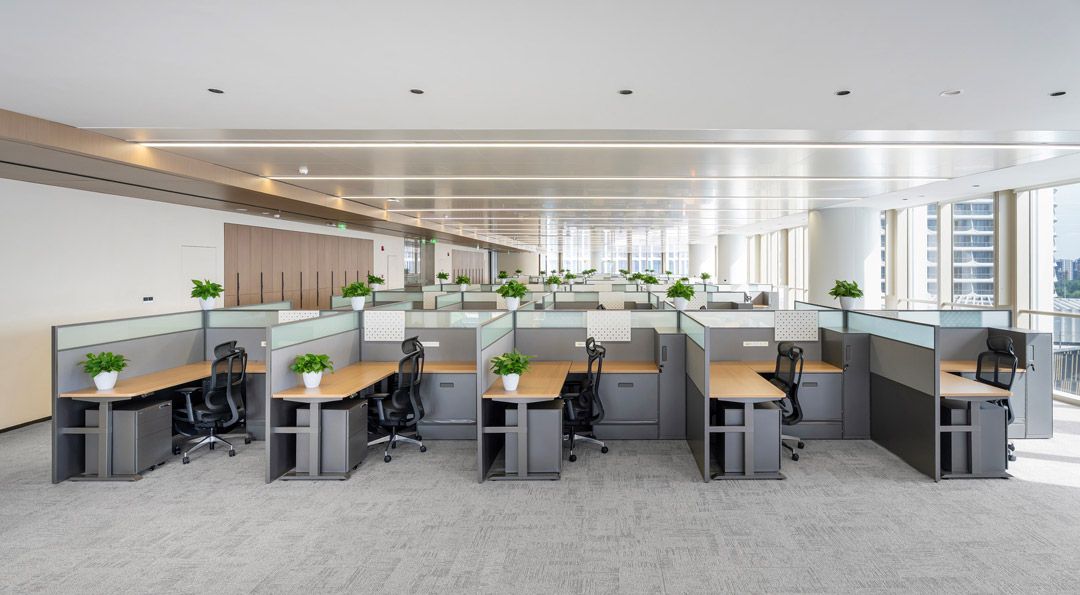
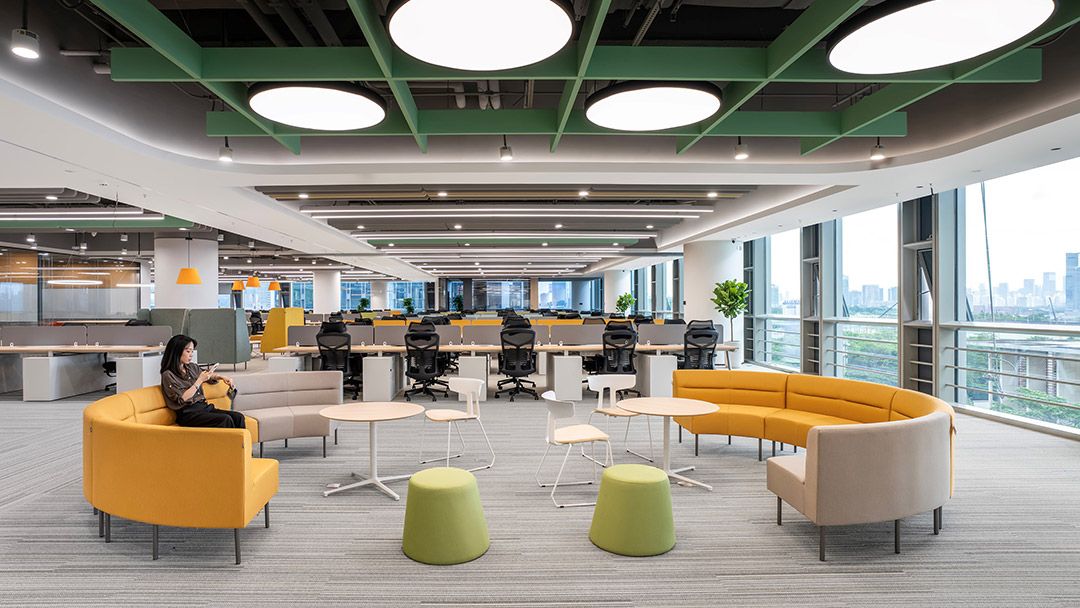
A good office is bright but not glaring, soft but never dim.
When light settles in just the right place, people find a more comfortable state of work within it.
You may also like
Championing Formaldehyde-Free Offices: Yihang's Healthy Work Mission Upgraded
Read More
European Designer Interview: Uncovering the Fun of Office Furniture
Read More
Office Furniture Trends: Creating Dynamic Learning and Training Spaces
Read More