How to Choose the Right Office Chair Backrest
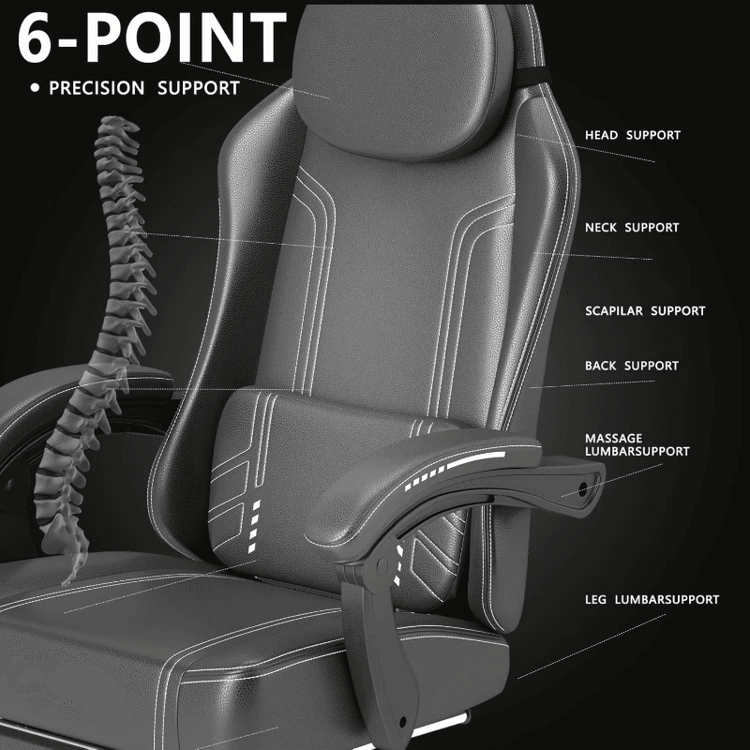
Choosing the right office chair backrest requires a comprehensive consideration of six core elements: posture support, material comfort, adjustability, ergonomic design, safety and stability, and breathability. Here is a detailed analysis:

1. Posture Support: Maintaining Natural Spinal Curvature The backrest should assist in maintaining correct sitting posture and reducing the harm caused by prolonged sitting. Prioritize a slightly reclined design (usually 100°-110°), combined with adjustable height and tilt angle functions. The upper edge of the backrest should be lower than the lower edge of the scapula, and the lumbar support point should be positioned approximately 250mm from the seat surface to fit the natural curvature of the lumbar spine. For example, chairs with adjustable lumbar supports can precisely match the lumbar positions of users with different body types through up and down or forward and backward movements.
2. Material and Comfort: Balancing Support and Breathability The material directly affects the user experience. Mesh backrests are highly breathable and moderately elastic, making them suitable for long hours of office work. However, it is essential to choose high-density, tear-resistant quality mesh to avoid sagging. Sponge backrests offer a softer, enveloping feel but require attention to density (recommended ≥30kg/m³) to prevent deformation after long-term use. If the budget allows, a dual-material composite design (such as mesh + memory foam) can be chosen to balance breathability and support.
3. Adjustability: Adapting to Individual Differences Differences in height, weight, and body type require the backrest to have height and angle adjustment functions. Height adjustment should cover the range from the seat surface to the lower edge of the scapula. Angle adjustment should support a backward tilt of at least 30° and be equipped with a locking mechanism to fix the comfortable angle. Some high-end models also offer independent lumbar support adjustment, allowing for separate adjustment of support intensity and position to further meet personalized needs.
4. Ergonomic Design: Distributing Pressure and Preventing Pain A high-quality backrest should cover the neck, waist, shoulders, and hips, fitting the natural shape of the spine through an S-shaped curve design. For example, a dynamic tracking backrest can automatically adjust the support angle as the user's sitting posture changes, reducing pressure on a single area. A zoned support design (such as a firmer waist and softer shoulders) can specifically relieve local fatigue. Studies have shown that ergonomic backrests can reduce the risk of back pain by more than 30%.
5. Safety and Stability: Avoiding Structural Hazards Check the stability of the backrest's connecting components (such as gas rods and five-star bases). Gas rods must pass international certifications such as SGS and BIFMA to avoid explosion risks. The material of the five-star base is recommended to be aluminum alloy or nylon reinforced with fiber, with a load-bearing capacity of at least 136kg. If the backrest supports a reclining function, test the reliability of the locking mechanism to prevent sudden rebound and injury.
6. Breathability: Preventing Heat Buildup Prolonged use can easily lead to a hot and stuffy back. Prioritize perforated leather or 3D mesh materials. The mesh pore size is recommended to be controlled between 1-2mm to ensure air circulation while avoiding direct skin contact with the frame, which can cause discomfort. If choosing a solid wood or plastic backrest, pair it with a breathable seat cushion to compensate for insufficient heat dissipation.
By systematically evaluating the above factors, you can select an office chair backrest that meets both health needs and comfort, providing lasting support for efficient work.