Four Ideas for Offices That Keep Employees Healthy and Happy
Healthy, happy employees are more creative and don't just focus on getting the job done. A thoughtfully designed workplace improves employee well-being and productivity, which in turn raises their engagement.
The changes brought by experience-based design are raising employee satisfaction. Cheerful, creative moods coexist with states of tension in the office. The question, then, is what kind of office to build for different kinds of people.
A "sick building" is one with insufficient natural light, ventilation, or temperature control and a poor environment. But here we're discussing four thoughtful ideas that address employees' well-being needs beyond the usual factors like air, light, and temperature.
Biomimicry in the Office
By imitating nature, biomimicry can lift employees' spirits and offer them sustainable alternatives. We address the fundamental human desire for a connection with nature by creating a more natural atmosphere in the workplace. As a result, employees feel more confident in their work and daily activities, which improves job satisfaction, reduces absenteeism, and increases employee retention.
The Danish Approach
The Danish concept of hygge is "about an environment and an experience, not about things." The word hygge is believed to come from Norwegian, where it means "well-being." Hygge brings a feeling of comfort, nature, and safety, along with the ability to enjoy simple pleasures and find joy in simple things, according to its definition. With that sense of familiarity, if certain hygge-inspired ideas are put into practice, employees will work in a comfortable, happy workplace that supports them both emotionally and physically.
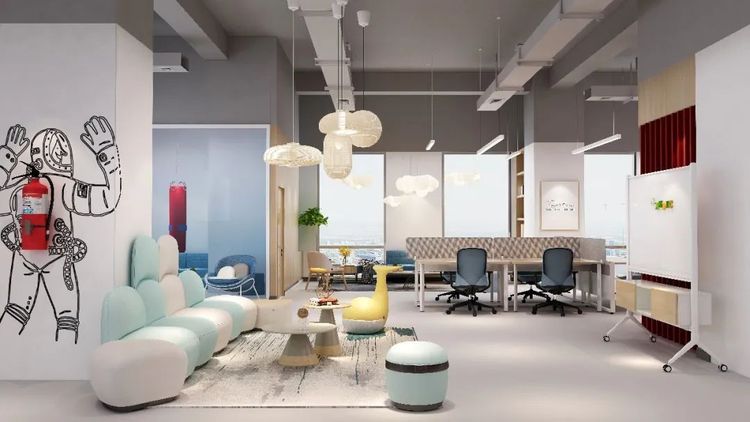
Create modest spaces that each employee can customize as they choose. Lounge areas are essential for giving employees a break and time to get to know one another.
Multisensory Experiences
The office experience is about more than what we see. Obvious considerations must be taken into account when designing the human experience. The senses of sound (background music and acoustics), smell (pleasant fragrances in the air), touch (the textures and fabrics of furniture), and even taste (think creative food and drink) can all contribute to a memorable and satisfying experience. Less obvious qualities — such as how a person connects emotionally with a place and experiences happiness and fulfillment — also need to be considered.
Supporting Emotional Needs
All workers' well-being and stress levels at work are affected by their emotional health. The biggest problem posed by open-plan offices is arguably the lack of privacy. Having too little privacy — and always letting people see what you're doing — is unsettling. Research shows that people don't actually make friends at work and don't feel as connected to their colleagues as they once did. Creating safe zones for individual work and for storing personal belongings is also necessary. Employee well-being and stress levels are shaped by taking these factors into account when designing the workplace.