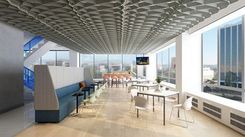
Four Aspects to Consider in Future Office Design!
The offices we once knew are changing. The office is no longer just a place where each person sits at a desk and chair handling business, nor simply a nine-to-five workspace — it is now a venue that serves both collaborative work and social needs. To fully adapt to new ways of working, future office space design should consider the following four aspects:
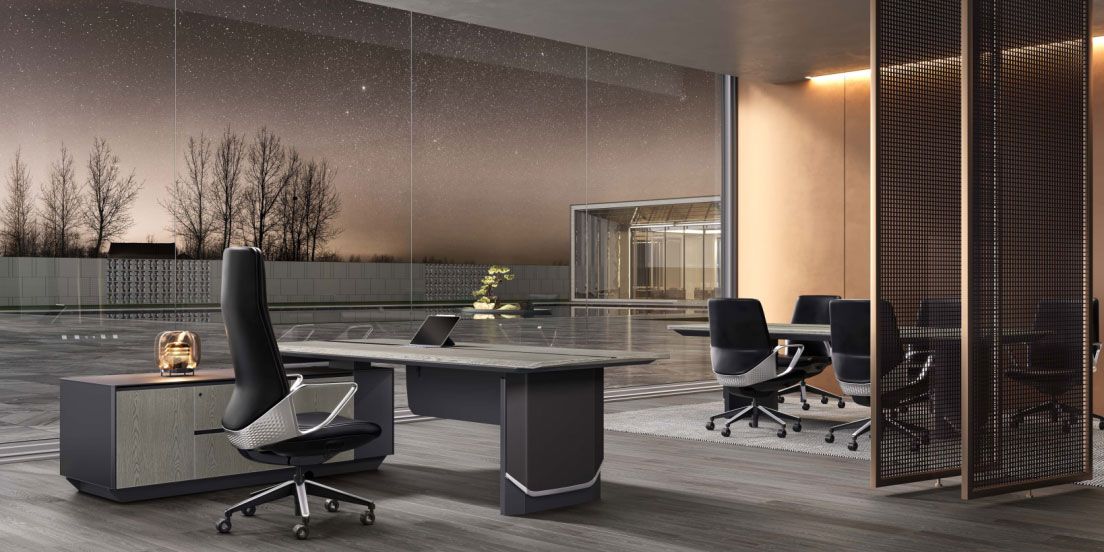
1. Future Office Design Needs to Embrace Technology
As technology keeps advancing, future work environments will rely more and more on it. For example, new technologies such as cloud computing, big data, and artificial intelligence will change how we work and our office environment. These technologies can improve efficiency, enhance the employee experience, and drive innovation in the workplace.
2. Future Office Design Needs to Prioritize Flexibility
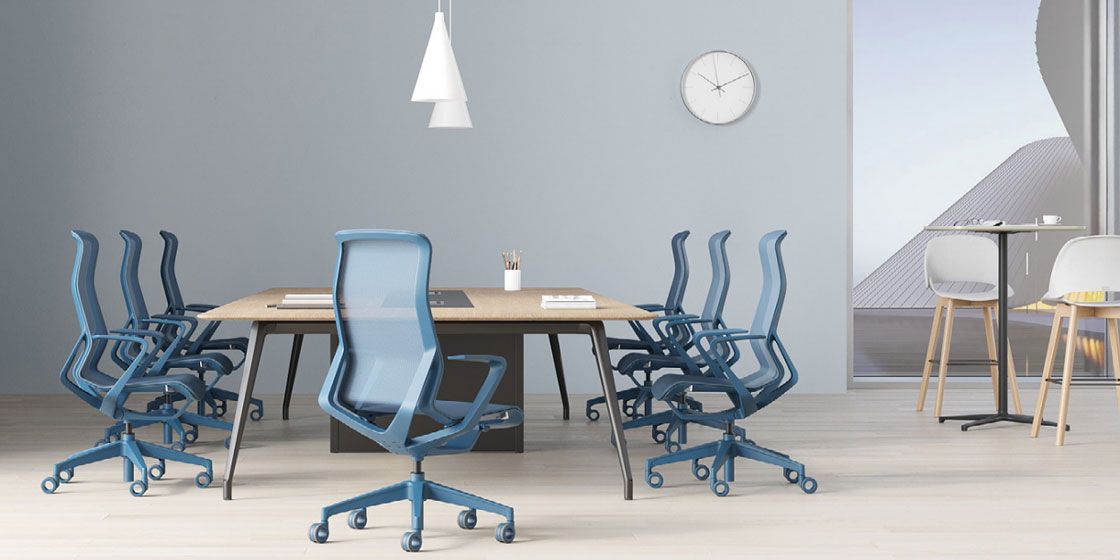
In today's fast-changing era, both companies' needs and employees' expectations are constantly evolving. Future work environments therefore need greater flexibility so they can adapt quickly. For example, office furniture should be able to be rearranged flexibly as needed to serve different work requirements.
3. Future Office Design Needs to Balance Health and Work
As people's expectations for quality of life rise, future work environments must pay more attention to employee health and work-life balance. For example, the office should support employees' physical and mental well-being — reducing noise and pollution, and providing ample rest space and fitness facilities.
4. Future Office Design Needs to Focus on Environmental Sustainability
As global environmental awareness grows, future work environments must place greater emphasis on sustainability. For example, office buildings should use eco-friendly materials and reduce energy consumption, while also making it easier for employees to use public transportation and cut carbon emissions.
These four aspects will have a major influence on future office space design. Designers need to consider them fully in order to create work environments that are more practical, comfortable, and human-centered.
You may also like
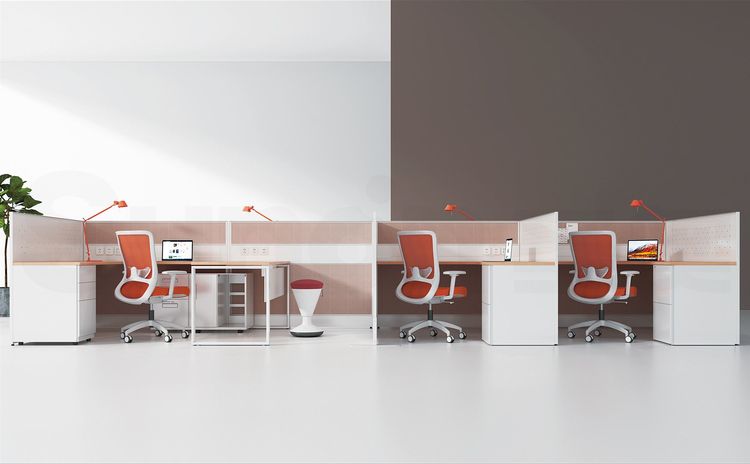
Back to the 60s? Reinventing the Cubicle
Read MoreChampioning Formaldehyde-Free Offices: Yihang's Healthy Work Mission Upgraded
Read More
European Designer Interview: Uncovering the Fun of Office Furniture
Read More