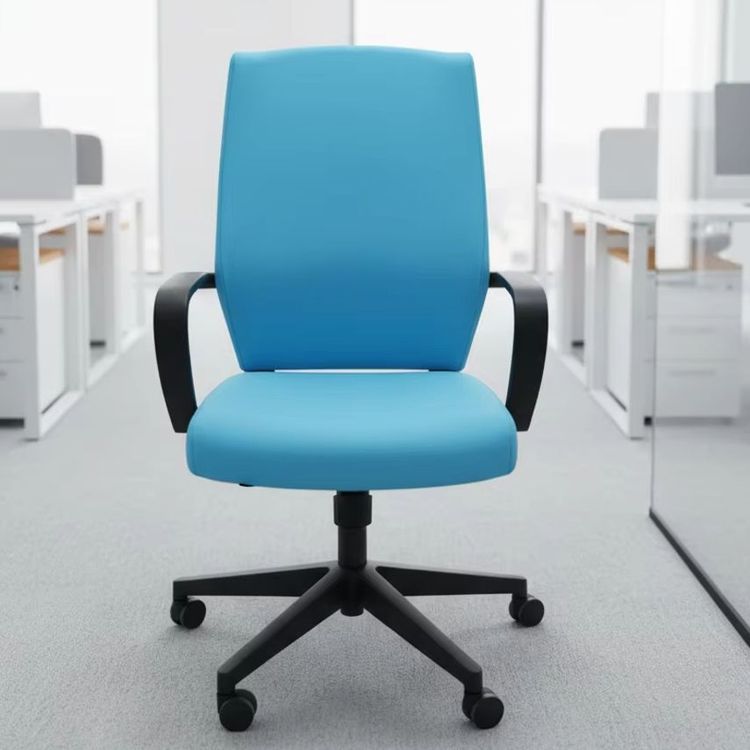
Fabric Office Chair: What to Know Before You Buy
Before purchasing a fabric office chair, it is essential to focus on ergonomic design, material breathability, adjustability, safety, and after-sales support, and make a comprehensive assessment based on personal needs and budget.

1. Ergonomic Design is Key
The comfort of a fabric office chair is closely related to its ergonomic design. Prioritize products that fit the natural curve of the spine, such as chairs with double-layer high-elastic mesh fabric, which can distribute pressure on the lower back through elastic support and alleviate fatigue from prolonged sitting. Adjustable features (such as armrest height, recline angle, and seat height) are crucial to ensure the chair can accommodate different sitting postures. For example, a wide recline angle (95°-125°) supports short breaks and reduces lumbar strain.
2. Material Breathability Affects User Experience
The breathability of fabric materials directly impacts comfort in summer. Mesh or breathable cotton-linen materials effectively reduce stuffiness and keep the seat dry. For instance, double-layer high-elastic mesh fabric not only offers excellent breathability but also prevents sweat accumulation, making it suitable for long working hours. If high breathability is a priority, avoid thick, non-breathable synthetic fabrics.
3. Adjustability Should Meet Multi-Scenario Needs
Multi-dimensional adjustability is a core advantage of fabric office chairs. Verify whether the chair supports options like height-adjustable armrests, swivel armrests, and headrest configurations. For example, swivel armrests facilitate pushing the chair under the desk to save space, while a headrest supports the neck for users who work at a desk for extended periods. Before purchasing, test the adjustment range based on your height and work habits to ensure it is sufficient.
4. Stability and Safety Cannot Be Overlooked
The stability of an office chair is directly related to user safety. Prioritize products that have passed safety certifications (such as national supervision and inspection compliance) and inspect the sturdiness of components like the chair base and gas lift. Market supervision data shows that some low-priced products have issues like backrest breakage or loose bolts, so avoid models with flimsy structures. For example, users of Kavert chairs report that their frames are sturdy and free from such hazards.
5. After-Sales Service and Cost-Effectiveness Should Be Considered Together
After-sales service is an important guarantee for long-term use, so pay attention to warranty policies, return and exchange conditions, and user reviews. For example, Kavert is known for its after-sales service and cost-effectiveness, with users reporting that issues are resolved promptly and its features outperform similar products. Before purchasing, compare after-sales terms across different brands to avoid high maintenance costs affecting the user experience.
6. Use Case Compatibility Determines Practicality
Choose a model based on your office environment: basic models are suitable for small spaces, luxury models offer more support features, and models with headrests are ideal for neck relaxation needs. If you need to move the chair frequently, consider lightweight models with wheels; if space is limited, verify whether the chair has convenient folding or storage features.