Essentials: Unique Decorating Tips for Small Offices!
In the era of mass entrepreneurship, more and more people are choosing to start their own businesses and set up studios. After home, the office is where people spend the most time each day, and an upgrade in office quality and environment may well reflect the new generation's pursuit of individuality, character, and quality. In the early days of a startup, you don't need many people, so choosing a smaller office makes sense — but renovation becomes a headache: with so little total floor area, even a neatly organized layout can feel cramped once the furniture is in place. How do you solve this problem? Below, we share some practical tips for decorating small office spaces:
1. A Rational Space Layout
Small offices have limited space, so a sensible spatial layout is especially important. Typical office functional zones include the reception hall, meeting rooms, open work areas, discussion areas, private offices, and a pantry. When space is limited, you must decide which functional zones are essential and which can be sensibly combined. A small space can adopt an open-plan office layout to expand the sense of volume, creating a feeling of spaciousness through what the eye perceives.
For example, freely combinable partitions are ideal for a large conference room: pull them closed and you get two small meeting rooms or discussion rooms. The reception area can also double as a discussion area, making flexible use of space.
2. A Bright Color Palette
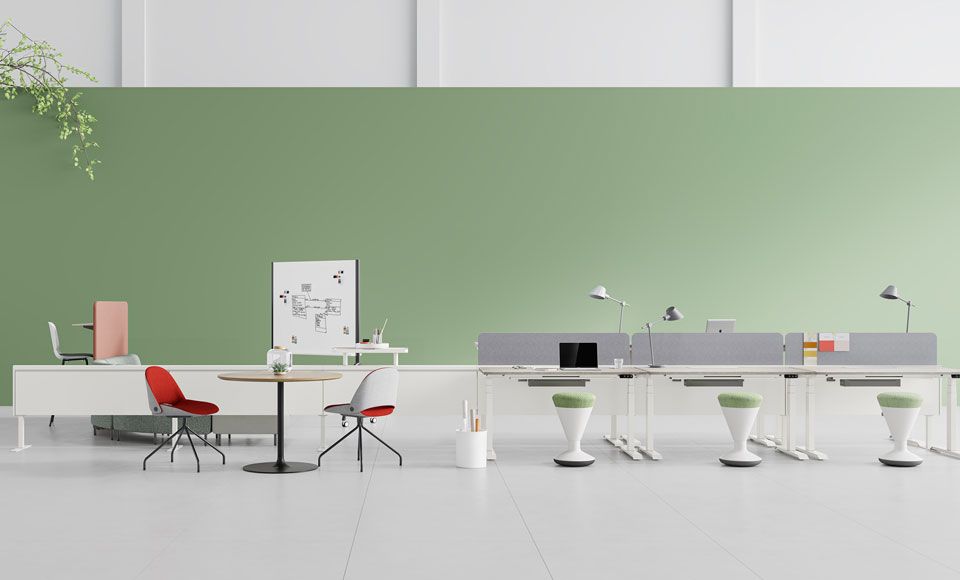
Because space is limited, a small office should opt for light colors, which visually enlarge the area. Painting the ceiling a light color with an exposed finish raises the perceived height of the room. Pair it with neutral-toned furniture so the overall effect is layered and professional, and add green plants as accents to create a warm, relaxing atmosphere.
The color scheme can also start from corporate culture: work the company's logo colors into the design to brighten selected areas, so the overall environment no longer feels dull.
3. Clever Zoning
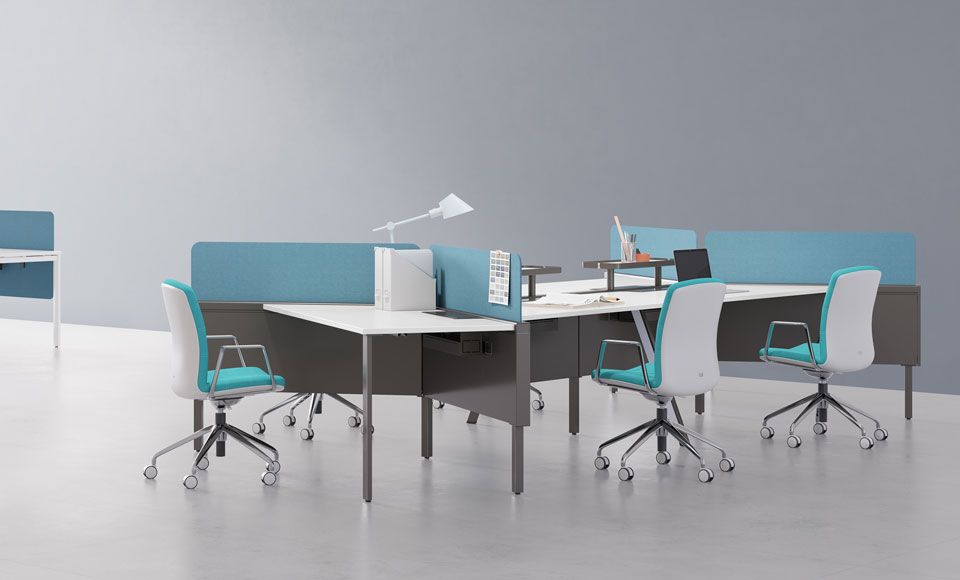
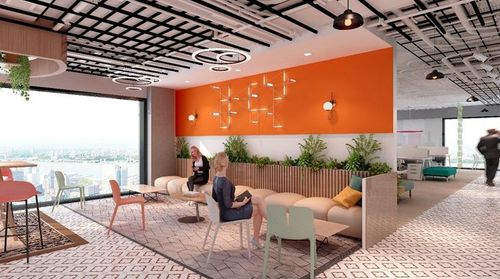
A small office should make the most of open work areas: this not only avoids a closed-in, cramped feel, but also makes the space more open and helps people stay connected. If you need a supervisor's desk, use soft partitions for separation. Using different carpet colors to distinguish work zones is also a good choice — it diversifies the space's functions while adding visual appeal.
4. The Use of Lighting
Light fixtures should be stylish and original; beyond choosing the right style and shape, pay attention to fixture colors as well. Keep the ceiling as simple as possible — avoid lavish, complex suspended ceilings, which not only clash with the space but can also make it feel oppressive, dampening mood and lowering productivity.
If abundant natural light can be factored in when choosing a location, that is the best option of all. In a limited space, plenty of daylight not only helps create atmosphere but is also good for employees' mental state.
5. Making Smart Use of Office Furniture
For small office interiors, every bit of floor area is "prime real estate." Choosing the right office furniture can save a great deal of space — and even create the visual effect of a larger room. When choosing furniture for a small office, consider these three aspects:
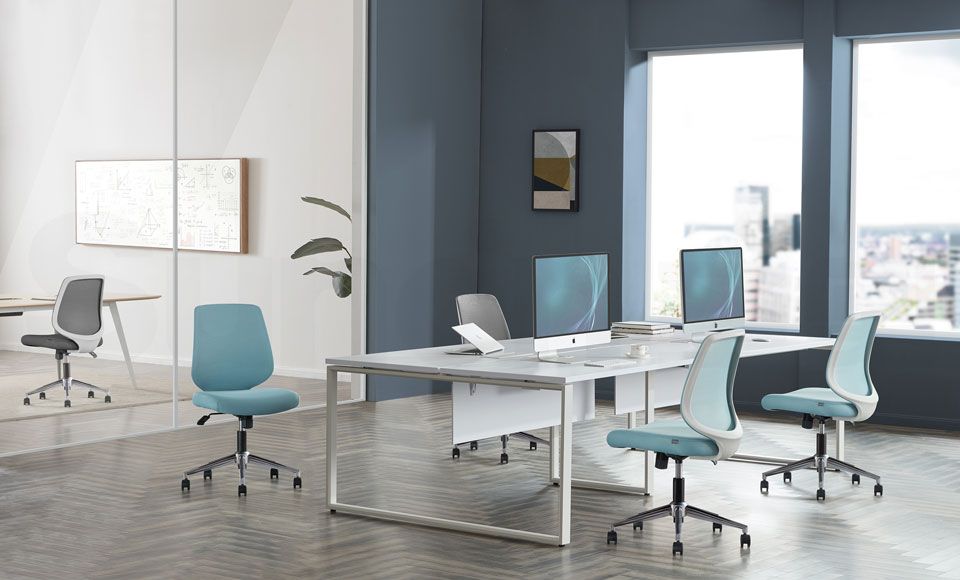
① Practicality
Use slightly smaller desks and chairs to preserve full functionality; rich furnishings combined with aisles of sensible width reduce the sense of cramping.
② Visual direction
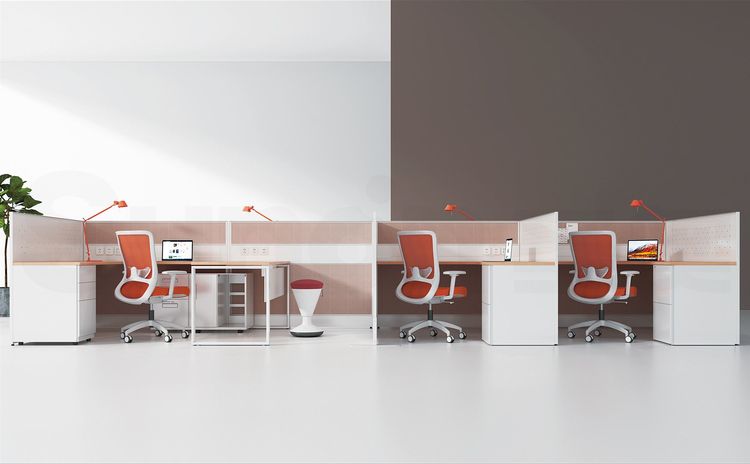
The focus here is on clean, generous desk-and-chair sets, together with small design details that keep documents and files neatly stored, creating a simple, uncluttered feel.
③ Minimalist style
Office furniture should be as minimalist as possible, avoiding fussy designs that bring too much visual noise.
A well-designed office creates real value: a warm, efficient workspace for employees will bring the company unexpected rewards.