Design Essentials for the Future of Campus Furniture
As education continues to advance, campus culture has flourished in its diversity, and all kinds of new, multi-faceted teaching methods have come into public view. To keep pace with these changes, the physical conditions of the learning environment must evolve as well. Furniture, as a key component of that environment, has a significant impact on students' learning efficiency, skill development, and physical and mental state.
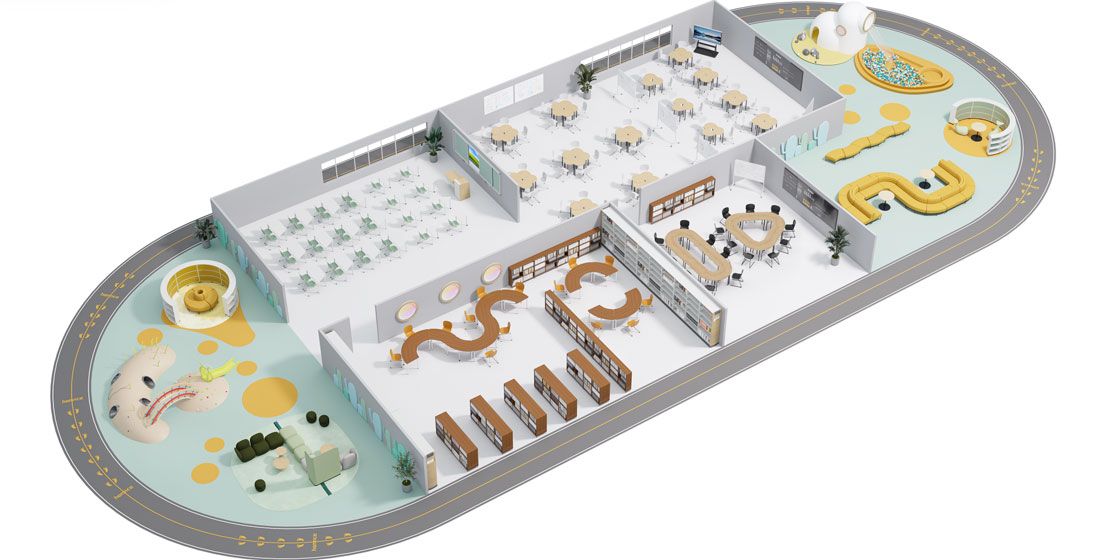
As students move through their lessons, they constantly switch between different states of activity. That's why the three most important considerations in campus furniture design are flexibility, practicality, and ergonomics.
1. Flexibility
Today, teaching styles can change dramatically at any moment. Future school furniture must therefore be flexible — only then can it foster teacher-student exchange to the fullest and keep the learning environment democratic.
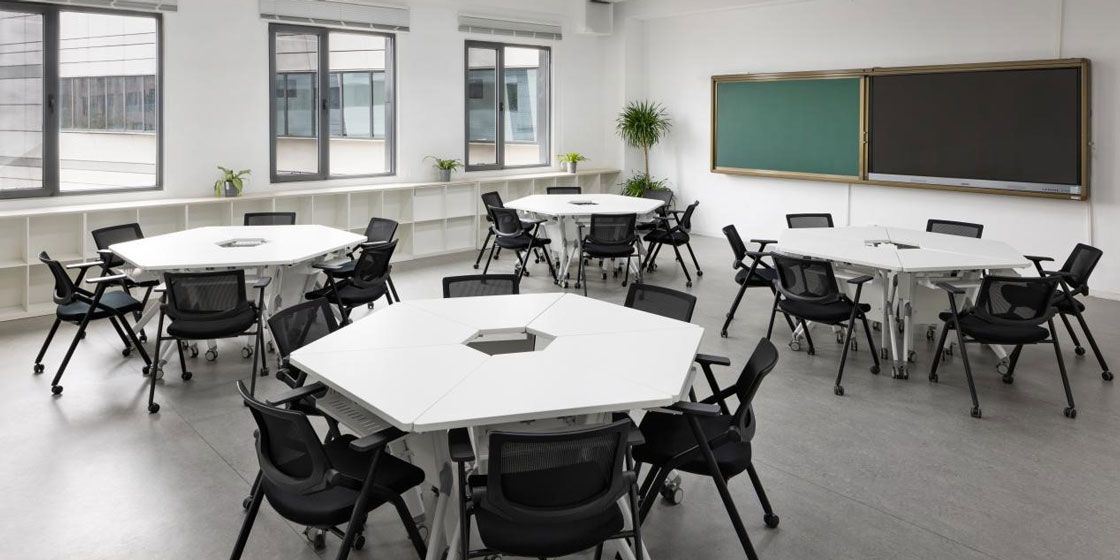
New changes bring new spatial possibilities for teaching practice: circle-style group discussions, one-on-one conversations, or personal corners for independent study... Environmental flexibility is the most effective physical catalyst for sparking ideas and giving birth to inspiration.
2. Practicality
On average, every student spends 6 hours a day (for roughly 11 years) sitting in a school chair. At that level of use, the wear and tear on furniture is easy to imagine — which is why the design of campus furniture must be grounded in practicality.
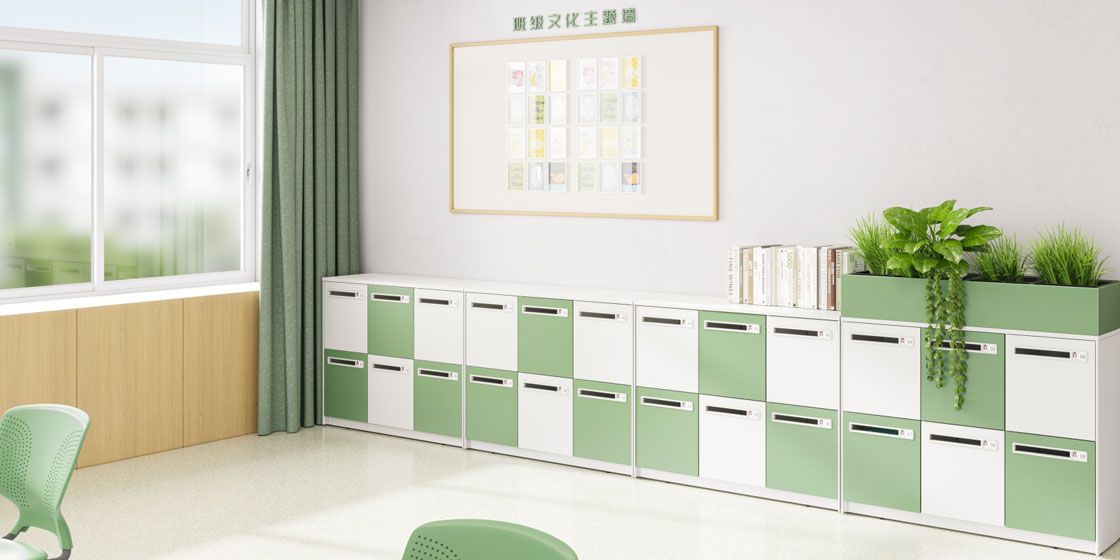
Many designers fixate on novel, eye-catching forms while overlooking the fundamental question of practicality. Designers must consider in which teaching scenarios their campus furniture will be used and what role it will play, because these questions surface directly in real use by teachers and students. Whether the furniture genuinely supports a wide range of teaching activities is one of the most important measures of a successful campus furniture design.
3. Health and Ergonomics
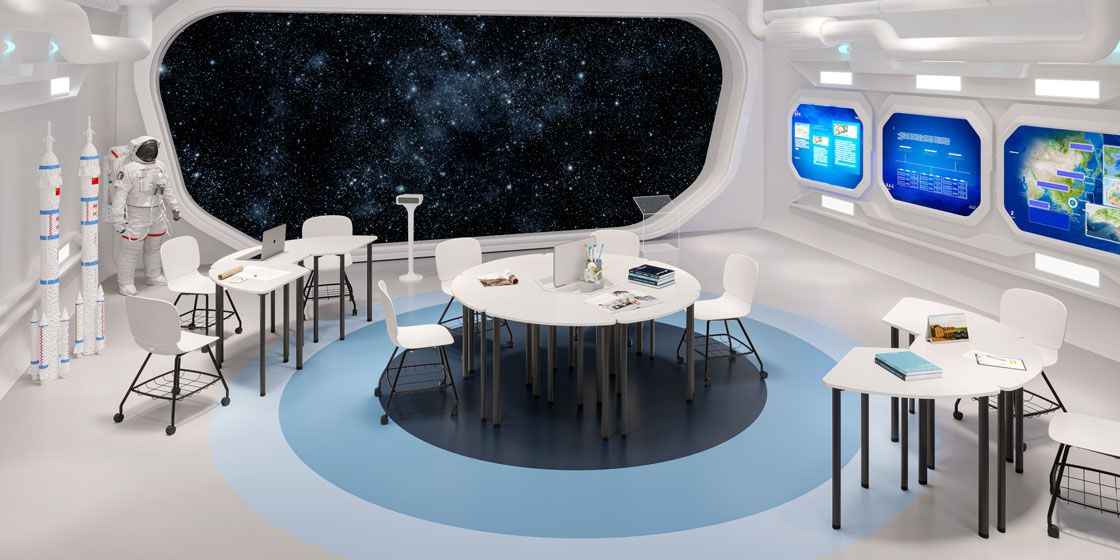
A study by the Furniture Industry Research Association (FIRA) in the UK confirmed that children today have longer arms and legs than children did thirty years ago. School furniture of the future must therefore match the needs of children at their current stage of growth. The same survey found, for instance, that 13% of students aged 10 to 16 experience discomfort in the hips — a figure that rises among older children. Schools can go a long way toward solving this simply by choosing desks and chairs with a slight recline: that is the change an ergonomic design perspective brings.
Ergonomics is a crucial consideration for the age group each classroom will hold — factors such as desk and chair height and desktop width. Traditional one-size-fits-all furniture often falls short here: it may still be well made, but it fails to serve children at certain ages properly, and can even negatively affect their growth.