
Choose Your Desk Right and Level Up Your Career!
An office desk is the table we equip ourselves with in daily work and social activity for the sake of convenience. Businesses and government offices rely on desks at every level, from leadership down to staff. A well-chosen desk improves efficiency, keeps body and mind comfortable and healthy, and gives your career a boost. So how do you pick a good office desk? Today, let's go over the key selection tips.
First: match the desk's color with the design style
When choosing desk colors for an office, companies generally weigh three factors: the nature of the work, the floor area, and how much natural light the office gets.
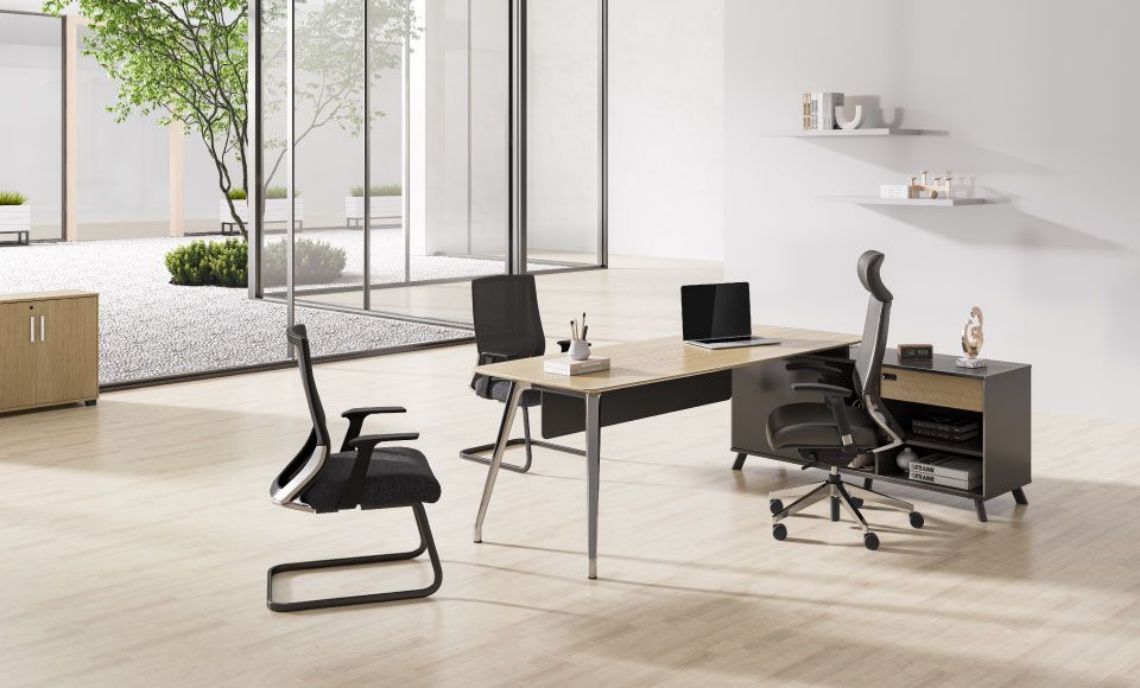
As a rule, tech R&D institutes, government agencies, and public institutions favor a minimalist design style, so plain, simple colors fit best — white and light blue, for example.

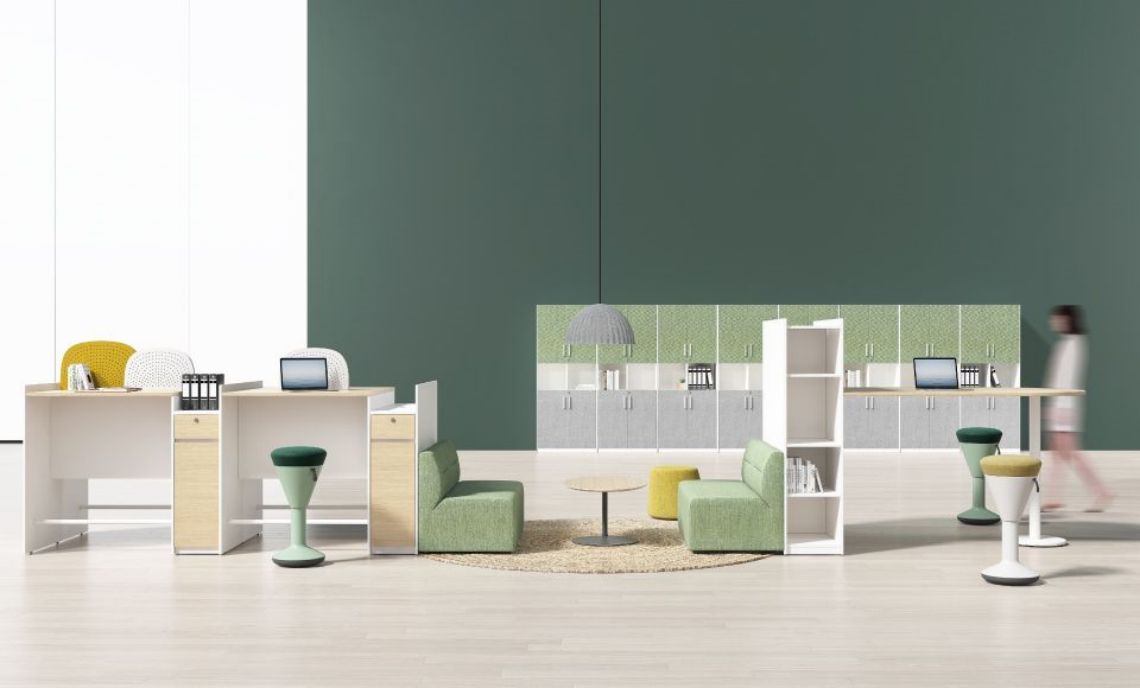
Creative companies such as internet startups can use bright, vivid, playful desk colors as accents to spark employees' sense of innovation.
For offices that are small in area but very high in ceiling height, the space can easily feel empty and cold. To soften the discomfort the building itself creates, consider some dark-toned office furniture.
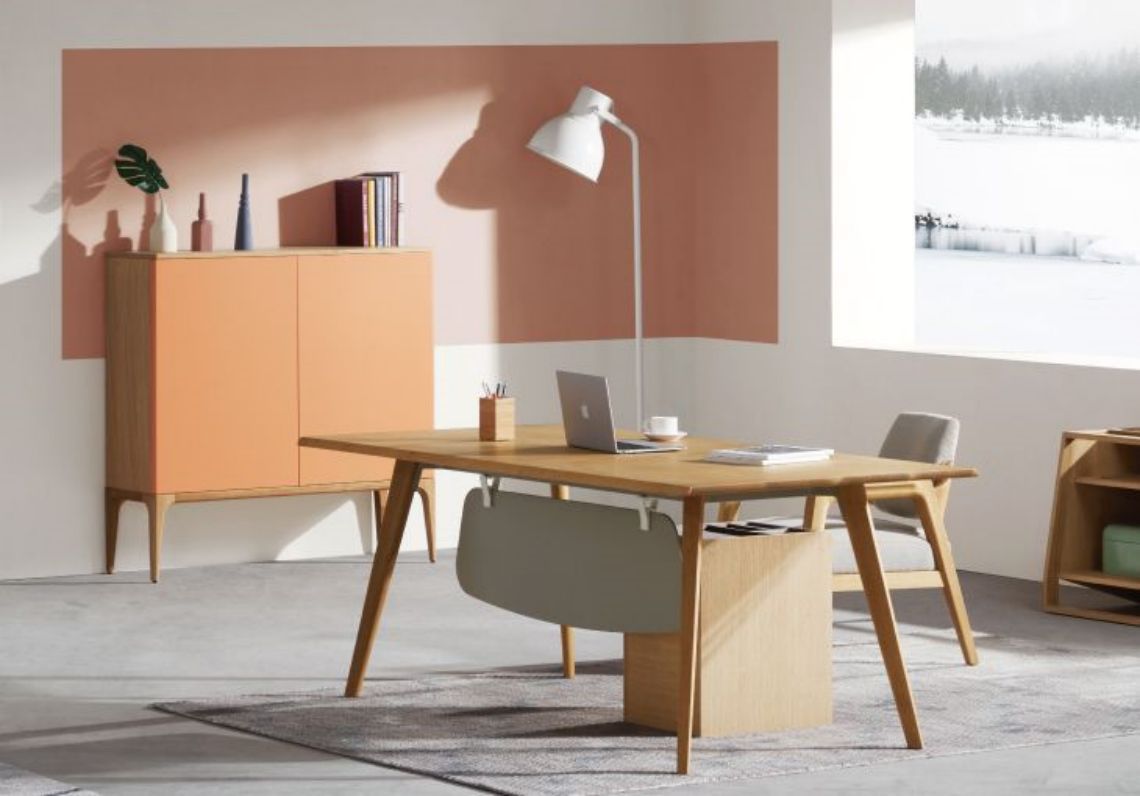
Offices with abundant light look airy and pleasant, so natural wood tones and business gray suit them well, elevating the space's texture and character. For private offices with weaker light, avoid dark, gloomy furniture colors; warm brick red and ginger yellow can bring out the warmth of the space.
Second: how tall should a desk be?
Since virtually all chairs in use today are height-adjustable, there is no single, hard standard for desk height.
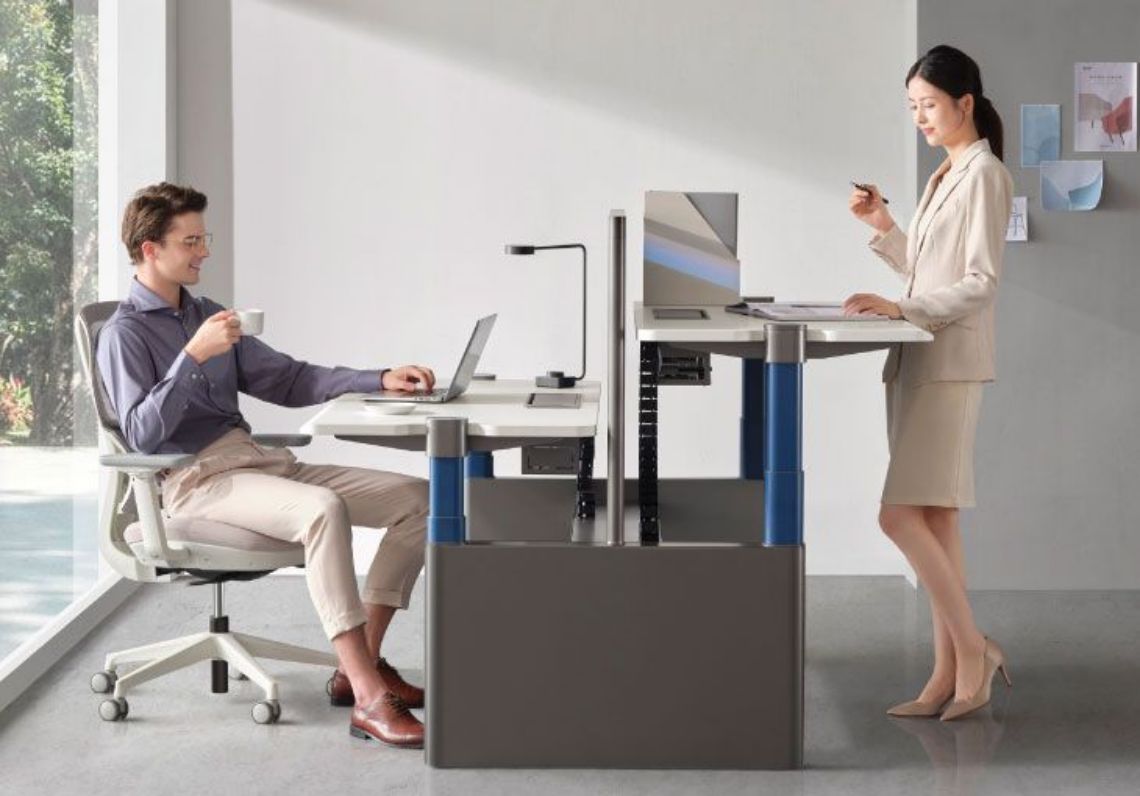
Social surveys, user feedback, and real-world testing all point to the same benchmark: most desk surfaces are standardized at 72 to 76 cm high, which pairs best with the majority of office chairs and spares employees the physical toll of constantly bending or craning forward.
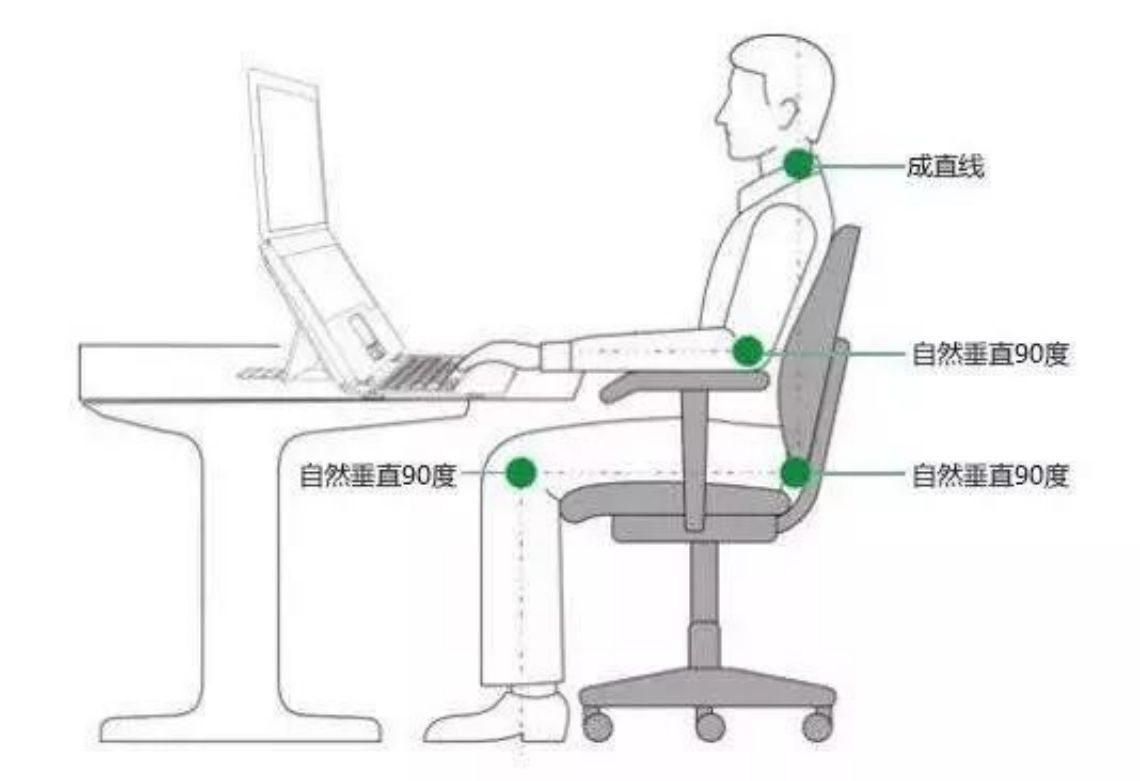
Surveys show the posture employees generally find comfortable and healthy is this: sitting upright in the chair with a straight back, arms hanging naturally, hands resting on the desk, and the angle between the upper and lower arm close to 90 degrees. If the desk is too high, resting the arms on it strains the shoulders; too low, and it compromises dexterity.
Third: which desk shape should you choose?
Desk shapes should be chosen around the working needs of different roles — shaped to the job, covering the full spectrum of focus, privacy, collaboration, and sharing. That is how you maximize office efficiency.
1. Straight desks: orderly and easy to extend
Straight-run desks make an office more compact and dense, maximizing use of the space. With office equipment shared, the company saves considerably on cost.
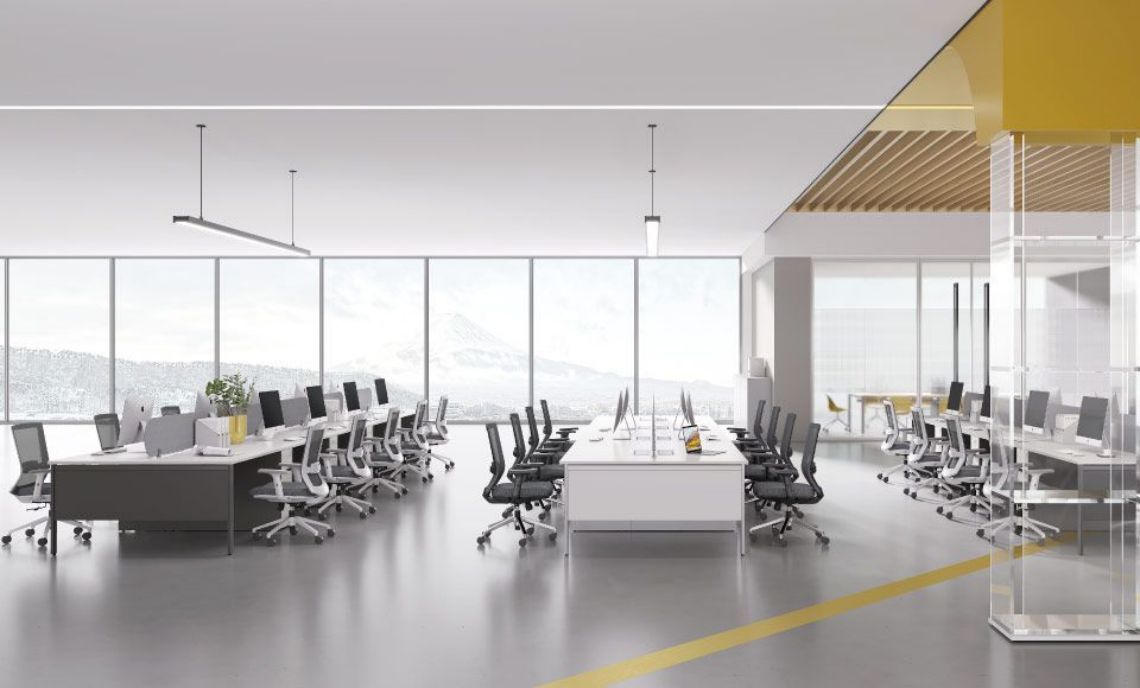
For employees, the workspace created by straight desks opens up the visual field, brings people closer together, promotes communication and cooperation, and creates a relaxed environment that lifts productivity.
2. L-shaped desks: versatile combinations, endless variety
L-shaped desks can be arranged in many ways; through permutation and combination they form all kinds of layouts — four together make a cross, two against a wall make a T, plus in-line and F-shaped arrangements — allowing the whole office space to be used far more fully.
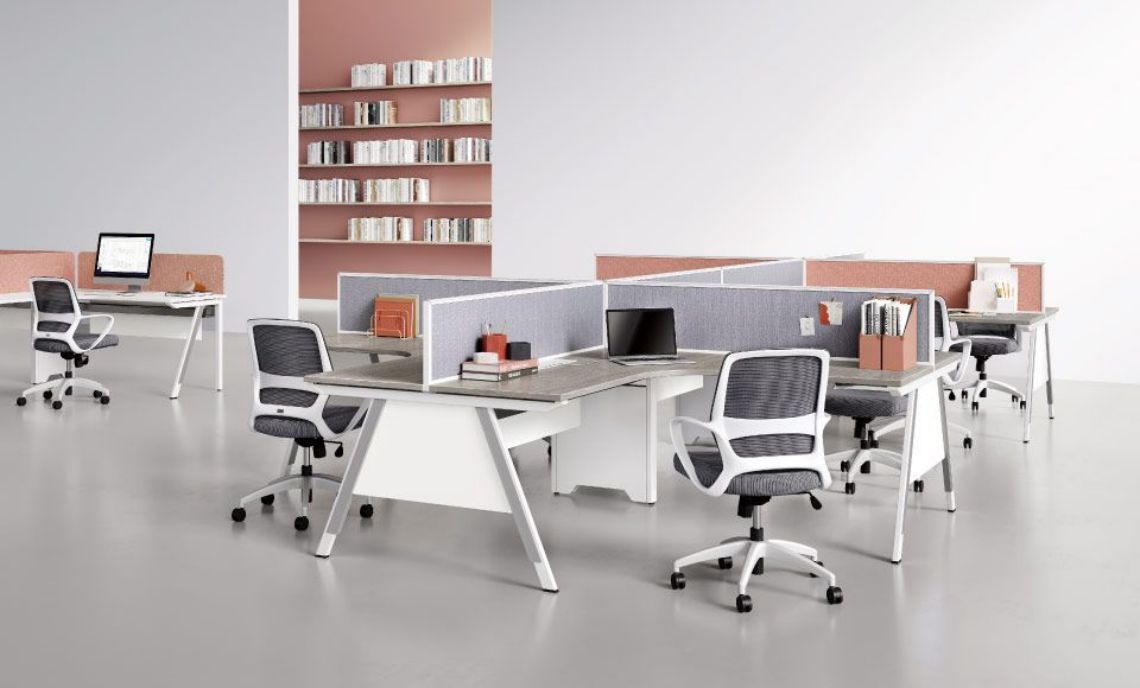
Compared with straight desks, L-shaped desks offer a larger surface area, giving employees more freedom to place items as they like and more room to work.
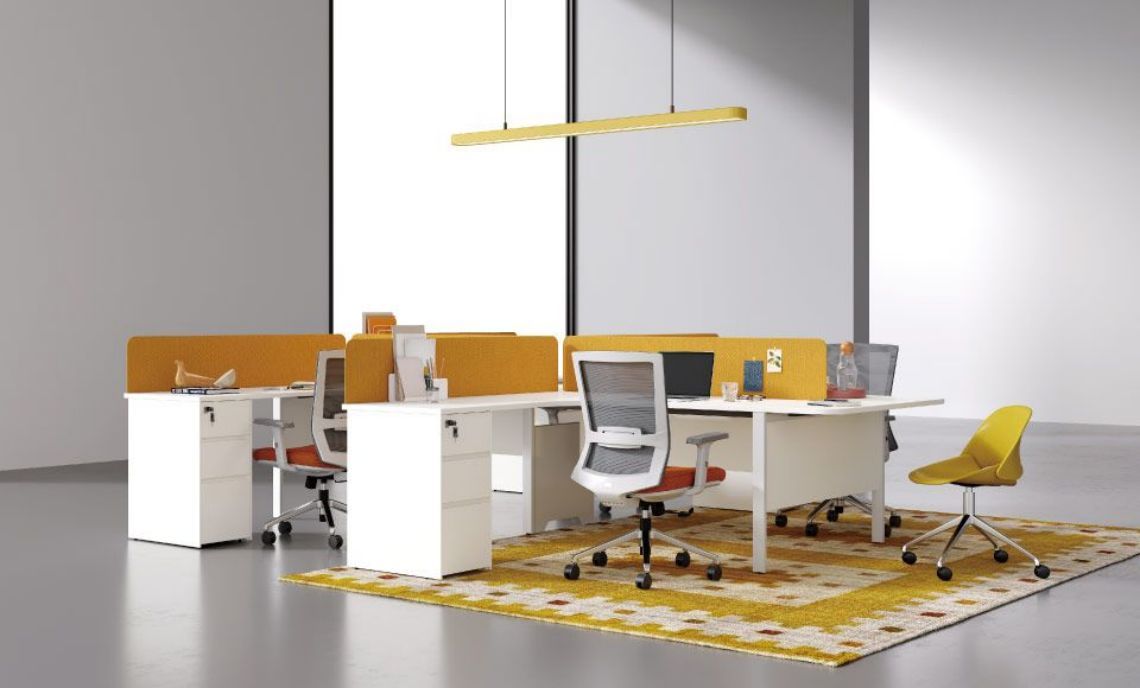
Placing a few small potted plants and decorations on the spare desk space not only beautifies the office — green plants also help shield against radiation.
3. Cluster desks: more surface, less crowding
Cluster workstations are multi-person desks. They don't suit long, narrow offices, but they are a natural fit for open, spacious floor plans.
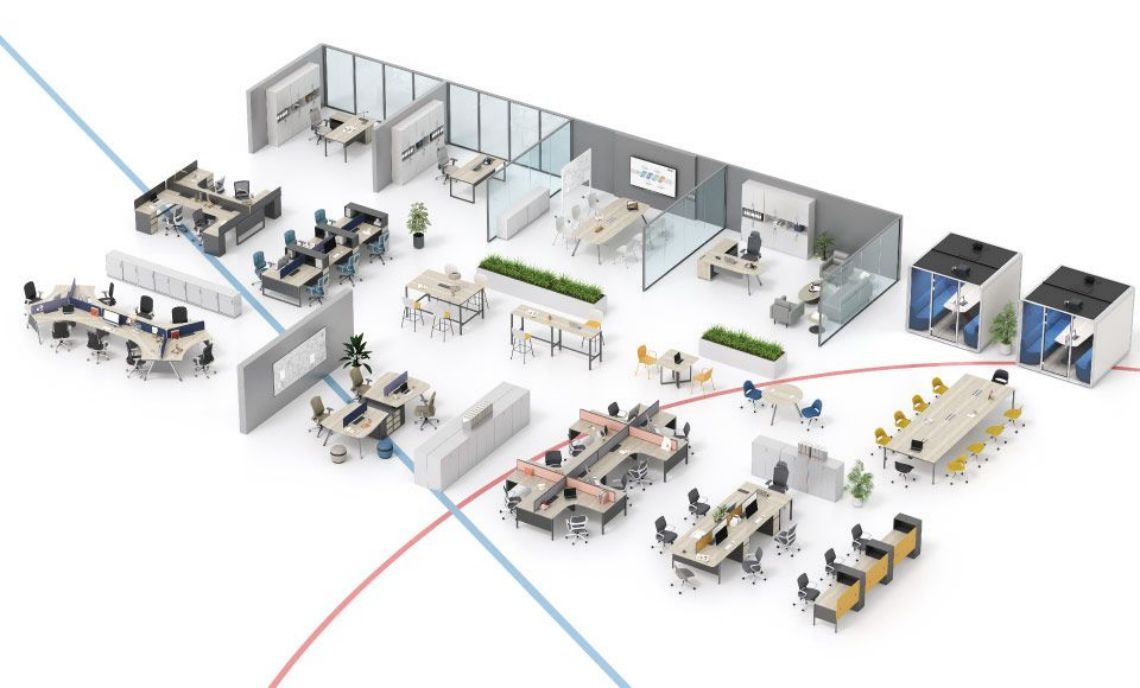
Cluster desks bring employees into closer communication, so they are especially good for teams that thrive on open exchange — particularly companies that grew up with the internet, which generally demand a high degree of openness, collaboration, and communication. This setup suits them well.
Fourth: what else should you watch out for?
Beyond looks, check whether the desk's board material is healthy. Uncertified, shoddy, or high-formaldehyde desks all threaten human health, so pay close attention to these issues when buying.
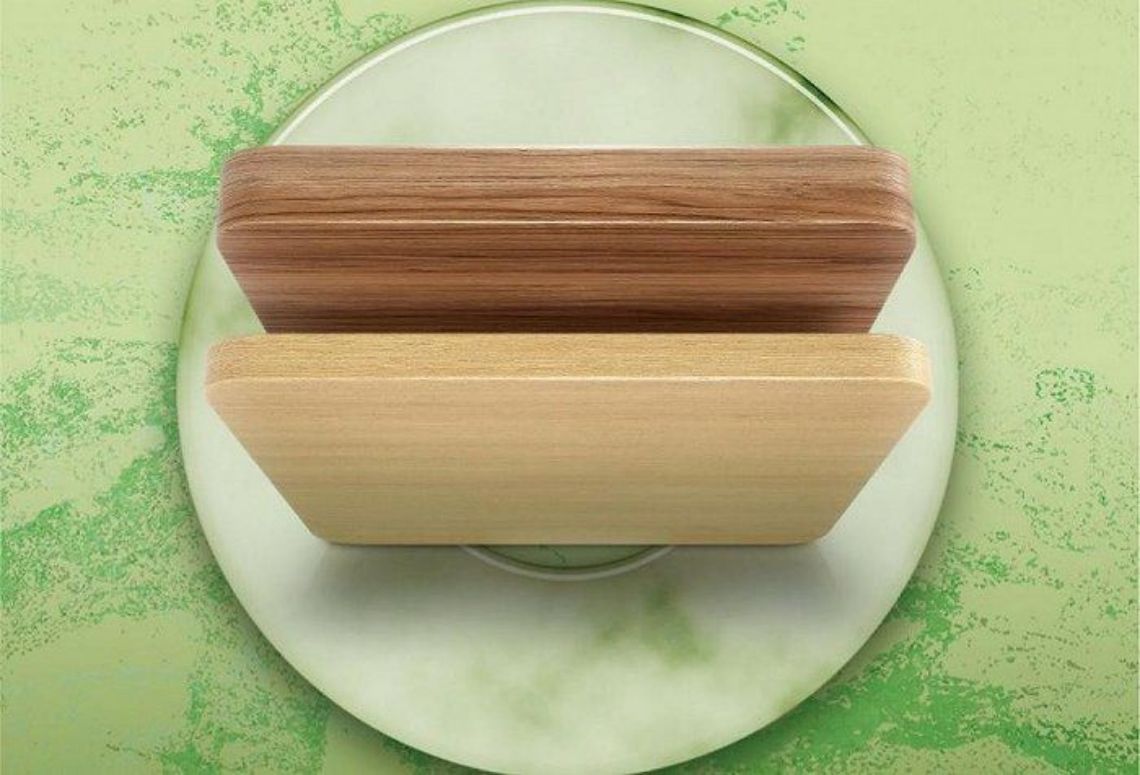
Besides choosing quality board material, scrutinize the workmanship: are there scratches, press marks, blisters, peeling, or glue traces on the surface panels? Is the wood-grain pattern natural and flowing? Check the edge banding too — good edge banding is perfectly flat, smooth, and fine, while poor banding tends to be uneven or lifted, and can scrape or injure employees' arms as they work.
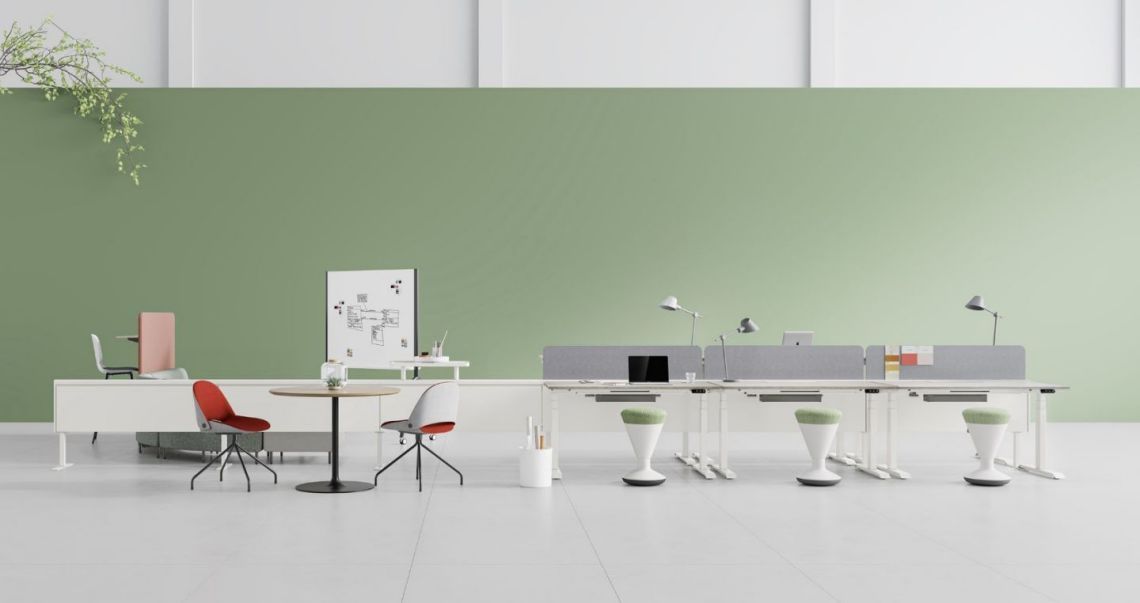
The desk is a must-have piece of office furniture, and buying one that's suitable and dependable matters to every employee. A comfortable, convenient desk helps people work more easily, efficiently, and happily — so don't take the purchase lightly.
You may also like

Warm Up Your Work Life with Van Gogh Yellow
Read MoreChampioning Formaldehyde-Free Offices: Yihang's Healthy Work Mission Upgraded
Read More
How Can Companies Strengthen Their Immunity in a Pandemic?
Read More