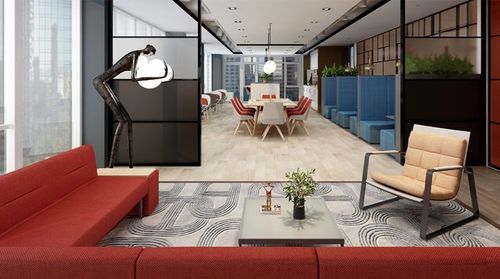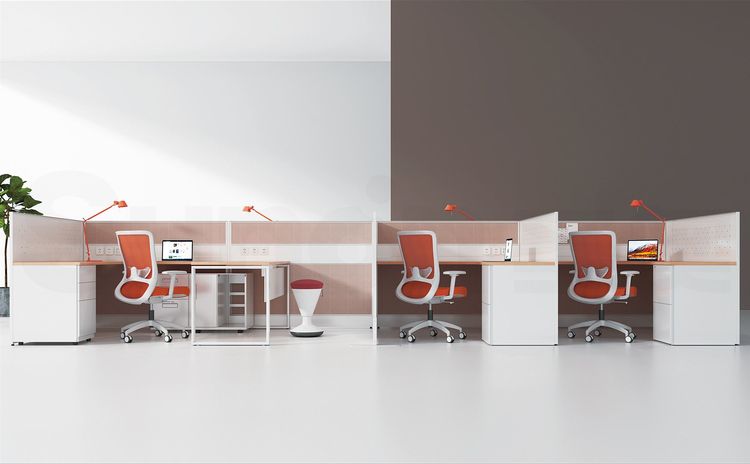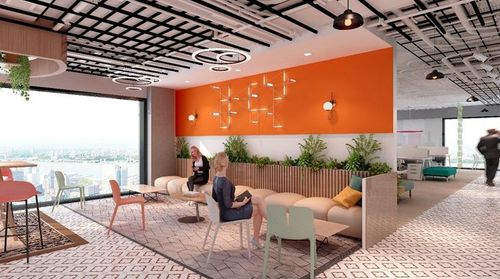
Choose Human-Centered Furniture to Create a Comfortable Reading Space!
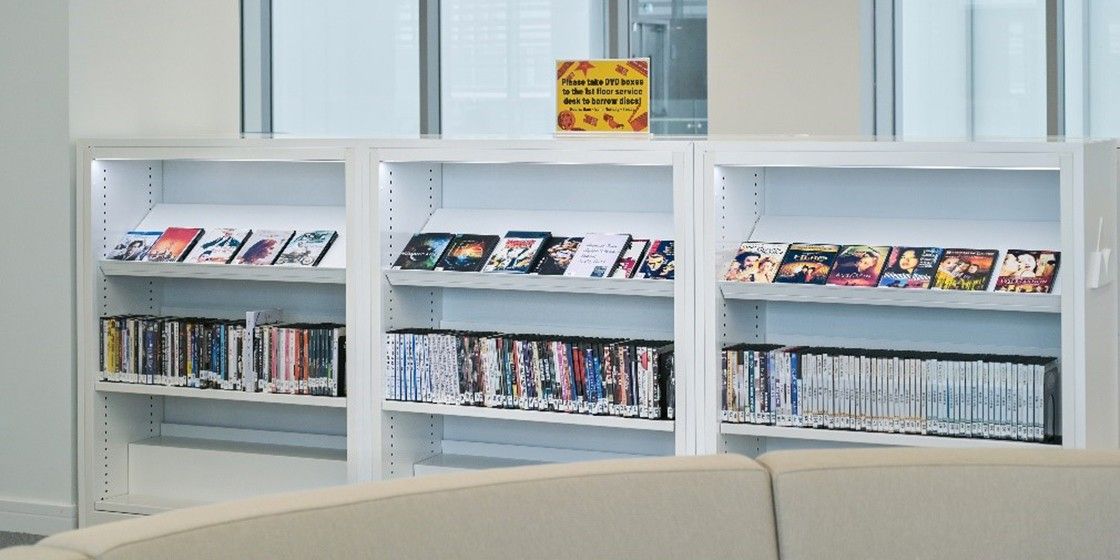
A library is not merely a place to store knowledge; it is also a space that provides a comfortable environment for learning. In a library, furniture does more than organize and display books — it gives readers a space conducive to study and reflection. On the basis of a careful analysis of the three elements of people, furniture, and environment, Yihang studies the people who use the furniture, the furniture being designed, and the environment they share as a single system. When selecting and configuring library furniture, the following factors are the main considerations for creating a human-centered, comfortable reading environment.
01 Emphasize the practicality of the furniture
The practicality of library furniture reflects its value in use. The furniture designed and configured for a library must first and foremost serve its direct purpose and meet users' needs, while durability and comfort also matter. For example, sturdy materials such as metal and solid wood make furniture easy to clean and maintain as well as long-lasting, and the dimensions and forms of the furniture should suit people's reading postures, providing comfortable furniture for healthy study and reading.
02 Value the flexibility of the furniture
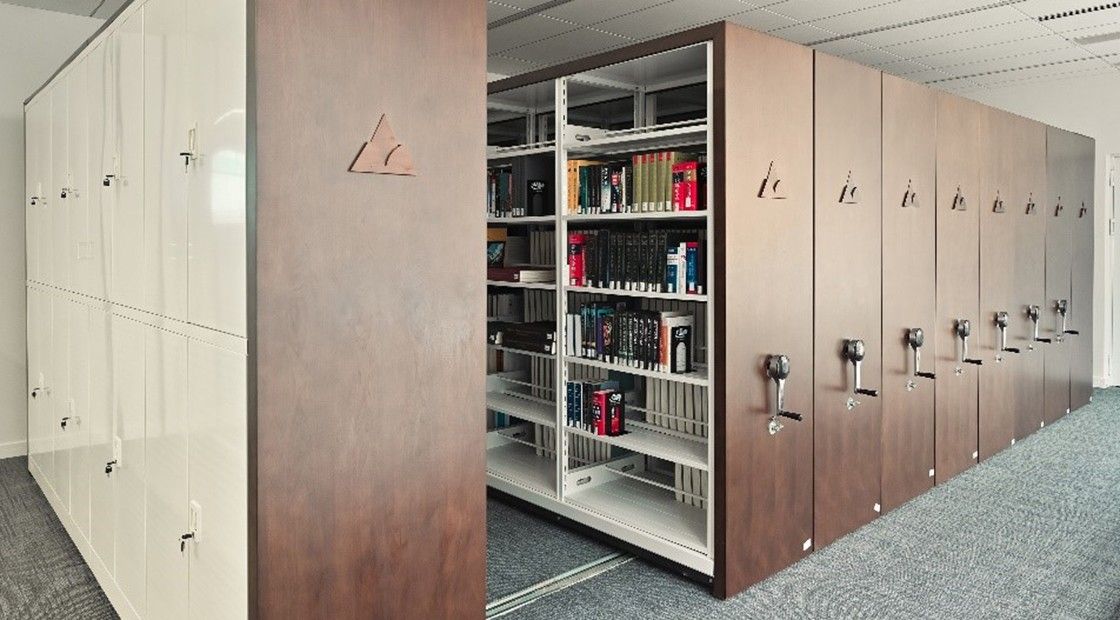
Library furniture needs flexible functionality, which can be achieved through lightweight materials and optimized structural design. For example, designs that incorporate telescoping, casters, and folding give products a small footprint and multiple functions, reducing wasted space. Take sliding book stacks: a hand crank or a controller with smart components drives a motor that moves them along rails, and when not in use they can be folded and stored against a wall, taking up no space. Multi-purpose reading tables, reading desks and chairs with casters, and similar pieces are all examples of flexible, multi-functional furniture.
03 Favor furniture design with artistic appeal
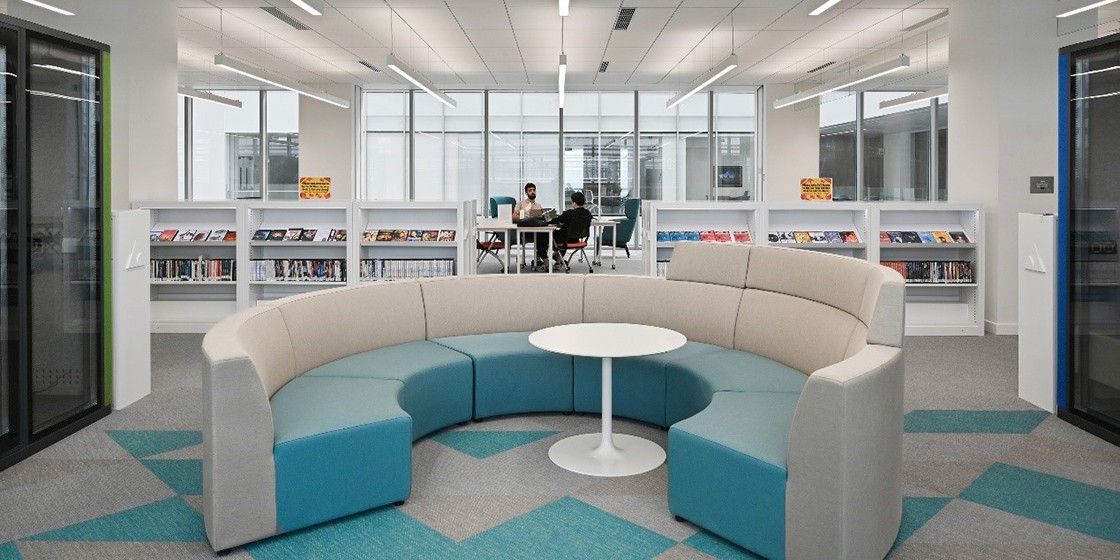
The artistry of library furniture is expressed mainly through form, decoration, and color. The styling should be clean and fluid with a sense of the times, paired with harmonious, unified colors, so the whole library feels cohesive. Where conditions allow, different styles of furniture can be matched to the character of different reading rooms. For example, tables, chairs, and bookcases in traditional Chinese styles can be placed in a rare-books reading room to create a classical, elegant reading atmosphere.
A university library is a showcase of that institution's strength — reflected not only in its furniture but also in the automated, networked services of the modern university library. By building a harmonious relationship between people and furniture products, users no longer have to passively adapt to the furniture and the environment. Instead, people find themselves in a comfortable, pleasant reading environment where they can actively exercise their initiative and creativity, improving both learning and working efficiency.