
Building Employees' Sense of Space Belonging: The Secret to Efficiency and Engagement
Before the pandemic, many companies poured resources into remodeling their offices — doing away with cubicles in favor of open, flexible layouts and adding all kinds of amenities. After the pandemic, companies began adjusting their office layouts again to accommodate hybrid work.
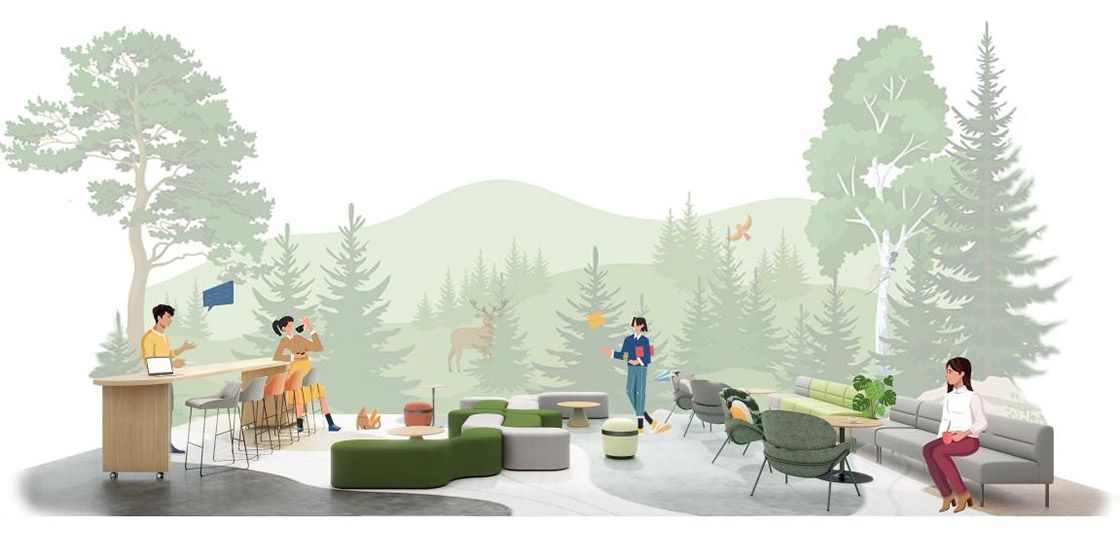
However, the latest research from UC Berkeley's Haas School of Business suggests that executives should pay closer attention to employees' relationship with the workplace, not just the furniture layout. Professor Brandi Pearce points out that when employees gain a sense of self-esteem and individuality from their work space, they show greater enthusiasm for work and are more willing to collaborate and stay loyal to the organization. Pearce calls this connection with the workplace "place identity" — a concept drawn from environmental psychology, often used to understand people's relationships with public spaces or communities.
Leaders should deliberately design both the emotional and the physical environment of the workplace to cultivate employees' place identity. Specifically:
1. Clarify the Purpose of Each Space
No matter what a space is set up to be, leaders should be clear about its purpose and about the types of work employees will do there — for example, online brainstorming and collaborative tasks, as well as individual focused work. Leaders can also help define virtual workspaces, such as whether video meetings are open to all and whether the number of meeting spaces is sufficient.
2. Show Enthusiasm for How Spaces Are Used
Even after defining the function of each space, leaders still need to actively convey enthusiasm for using it. For example, leaders can hold in-person events in the office, or set aside dedicated focus-work time in remote-work schedules. In other words, leaders need to show, through their own actions and attitudes, that they value and embrace how spaces are used.
3. Empower Employees to Shape Their Own Space
Researchers found that teams that participate in planning the goals of their own space show a stronger sense of place identity. Leaders should therefore involve employees in creating new spaces. For spaces that already exist, leaders should encourage employees to adjust them to their work needs or add personal touches — for example, choosing a piece of artwork to strengthen their sense of ownership. For remote workers, provide materials they can use to define their own space, and if they have a chance to visit the office, invite them to create something with colleagues to take home. Simply put, involving employees in designing and transforming their space strengthens their sense of identity and belonging.
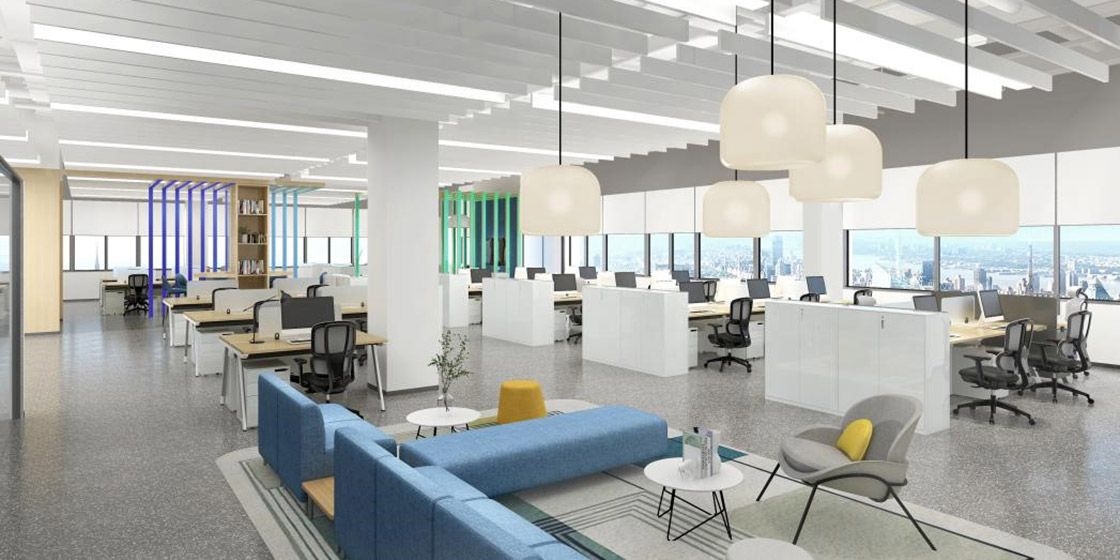
Companies spend a great deal of money on physical space, but what matters more is cultivating employees' sense of place identity. Leaders need to actively convey enthusiasm for how spaces are used and encourage employees to adapt spaces to their needs. These investments help employees better understand and make the most of how workspaces are set up, boosting collaboration, work enthusiasm, and organizational commitment. In short, cultivating employees' sense of place identity is the key to raising both their efficiency and their sense of belonging.
You may also like

The Urge to Stand Out: Crafting Premium Spaces with Hermès Orange
Read More
Office Furniture Trends: Creating Dynamic Learning and Training Spaces
Read More
The Evolution of Office Spaces Driven by Data
Read More