
Back Knob of Office Chair
The knob on the back of an office chair is primarily used to adjust the recline function, with specific functions varying depending on the type of chair. Common functions include recline angle adjustment, recline resistance adjustment, and multi-function linkage control.
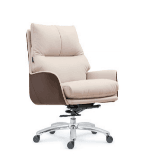
1. Mechanical Knob Adjustment: Precise Control of Recline Angle
Some classic office chairs (such as the Steelcase Gesture) feature a dual-knob design, typically located on the left side of the backrest or beneath the seat. By rotating the knob clockwise or counterclockwise, users can achieve infinite recline angle adjustment from 15° to 135°. Some knob dials are marked with green lines indicating the ergonomic-recommended optimal recline angle of 135°, helping users quickly find a comfortable position. When making such adjustments, note the following:
- Preparation Before Adjustment: Before adjusting, move the seat cushion forward to the point where it contacts the middle of the thighs, preventing excessive pressure on the lumbar spine due to improper sitting posture.
- Angle Selection: It is recommended to keep the recline angle between 120° and 135°, as this range effectively disperses intervertebral disc pressure and reduces fatigue from prolonged sitting.
- Locking Function: If the chair has a locking function, operate the knob or lever again after adjustment to fix the angle and prevent accidental rebound during use.
2. Knob Adjustment of Recline Tension: Adapting to Different Weights and Habits
Some ergonomic chairs (such as high-end models) adjust recline resistance via a knob, usually located near the center of the lower seat close to the support column. The working principle is as follows:
- Clockwise Rotation: Increases recline resistance, suitable for users with a heavier weight or those who prefer a stable sitting posture.
- Counterclockwise Rotation: Reduces recline resistance, making it easier for users with a lighter weight or those who need to recline frequently to adjust their posture.
Such adjustments should be made based on individual weight and preferences to avoid recline that is too fast due to insufficient resistance or difficulty in operation due to excessive resistance.
3. Multi-Function Knob Design: Intelligent Linkage Adjustment
A few smart office chairs (such as the ErgoHuman series) link the knob with an app to achieve multi-dimensional adjustment. Users need to follow these steps:
- Upload the chair's QR code and fill in height and weight data.
- The system generates a three-dimensional adjustment plan including recline angle, seat depth, and lumbar support height.
- Use the knob to make precise adjustments, ensuring that the parameters of each part meet ergonomic requirements.
Such designs optimize sitting posture through data analysis and are suitable for users with high health management requirements. However, note that the app should be updated regularly to obtain the latest adjustment algorithms.
Precautions: Maintain an upright sitting posture during adjustment and avoid prolonged use at extreme angles. If the knob operates with stuttering or makes unusual noises, contact after-sales service for inspection and repair to prevent internal part damage from affecting functionality.


