
Zero-Formaldehyde Office Chair
Currently, there is no single product explicitly labeled as a “zero-formaldehyde office chair” on the market, but some office furniture brands have managed to control formaldehyde emissions to extremely low levels through technological means, offering solutions that can be considered close to “zero-formaldehyde.”
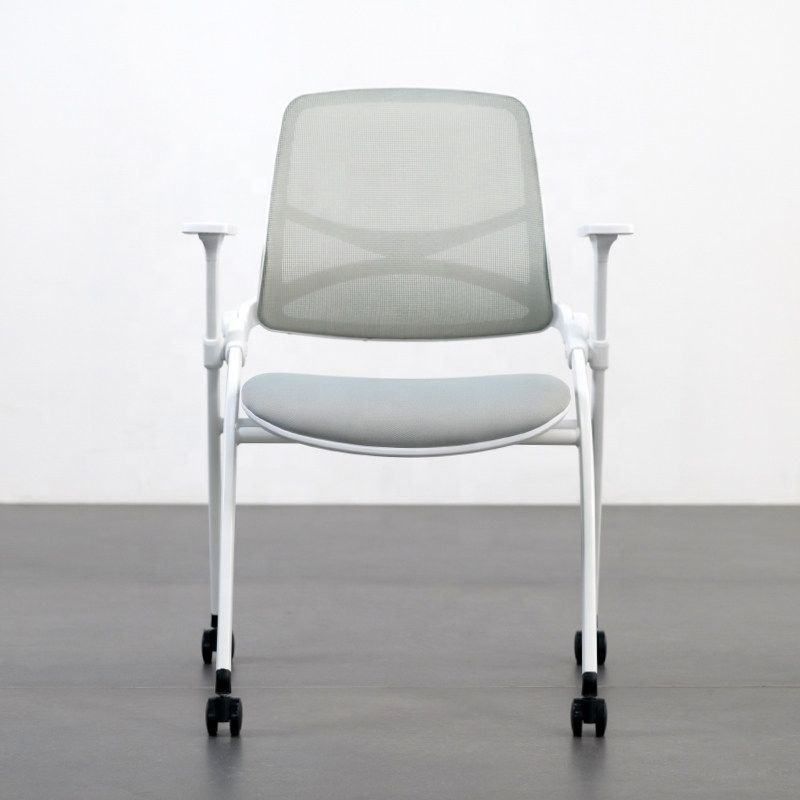
1. Technical Background of Zero-Formaldehyde Office Furniture
According to public information, brands like Guangdong Onade Furniture have made significant technological breakthroughs in the zero-formaldehyde field. The core lies in adopting water-based paint processes instead of traditional solvent-based coatings, eliminating formaldehyde addition at the source. Water-based paint uses water as a diluent, resulting in extremely low volatile organic compound (VOC) content, and formaldehyde emissions from products are far below the new ENF national standard (≤0.025mg/m³). However, this brand currently focuses on promoting comprehensive office furniture solutions and has not explicitly stated whether office chairs are included. If their office chairs use the same processes and materials, they could theoretically achieve similar environmental standards.
2. Formaldehyde Risks in Office Chairs and Material Associations
Formaldehyde emissions from office chairs primarily come from the following components:
- Coatings: Traditional paints or spray paints may contain formaldehyde as a solvent or curing agent;
- Filling materials: Sponges, memory foam, etc., may release formaldehyde if inferior adhesives are used;
- Structural components: Some engineered wood products (such as particleboard, plywood) may become sources of formaldehyde if not properly treated.
Currently, mainstream ergonomic office chairs from brands like Herman Miller and Steelcase, while not emphasizing “zero-formaldehyde,” often use environmentally certified materials (such as those meeting REACH, Greenguard standards), resulting in generally low formaldehyde emissions. For example, some products use water-based adhesives or solvent-free sponges, further reducing risks.
3. Consumer Selection Recommendations
When selecting a low-formaldehyde office chair, consider the following criteria:
- Prioritize water-based paint products: Confirm whether the coating is water-based paint to avoid solvent-based coatings;
- Focus on the environmental friendliness of filling materials: Choose adhesive-free sponges or materials certified by OEKO-TEX;
- Review test reports: Request formaldehyde emission test data from merchants and prioritize products meeting ENF or CARB-NAF standards;
- Choose reputable brands: Large brands generally have stricter supply chain management and quality control, ensuring better environmental performance.
4. Rational Understanding of the “Zero-Formaldehyde” Concept
It is important to note that “zero-formaldehyde” is an idealized term, and actual products may have trace emissions (meeting national standards is considered safe). Consumers should focus on the specific formaldehyde emission values rather than simply pursuing the “zero” concept. Additionally, the environmental friendliness of office chairs should be evaluated in conjunction with usage scenarios, such as ventilation conditions and space size.



