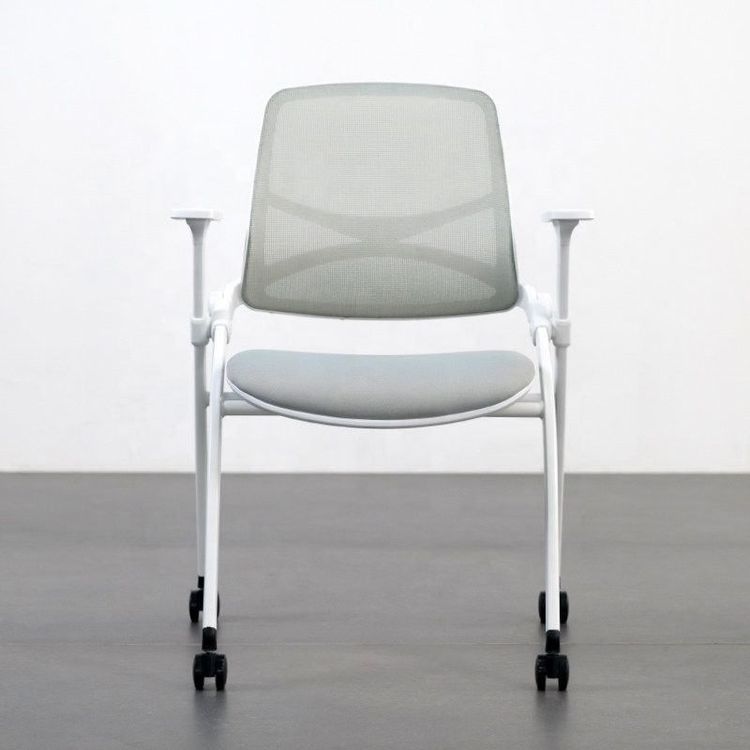
Xinjiang Office Chair Design
Xinjiang office chair design centers on ergonomics, emphasizing lumbar support, breathability of materials, and environmental adaptability, while balancing comfort and functionality.

1. Ergonomic Support Design
Xinjiang office chair design prioritizes support for the lumbar and spine, a core requirement based on ergonomic principles. For example, ergonomic chairs used in the offices of technology companies typically feature adjustable lumbar supports that can be adjusted according to the body shape and sitting habits of different users, effectively dispersing lumbar pressure and reducing fatigue from prolonged sitting. The headrest design conforms to the natural curve of the cervical spine, relieving neck pressure, especially suitable for scenarios involving long hours of desk work. Additionally, adjustable armrests support the arms, preventing muscle tension caused by shoulder suspension, further enhancing overall comfort.
2. Selection and Optimization of Seat Cushion Materials
The density and breathability of seat cushions directly affect the experience of prolonged use. Given Xinjiang's dry climate and hot summers, seat cushion materials need to balance support and breathability. High-density foam cushions provide sufficient support to prevent the buttocks from sinking, while breathable mesh or perforated designs promote air circulation, reducing stuffiness and discomfort caused by sweating. Some high-end designs also incorporate memory foam materials that slowly rebound according to the user's body shape, further conforming to body curves.
3. Environmental Adaptability and Durability
Chairs配套 (here it should be just 'chairs') for custom-made screen-partitioned office desks in Xinjiang's construction engineering units need to withstand high-intensity use environments. These chairs typically feature reinforced metal frames to ensure structural stability, and their feet are equipped with silent wheels for easy movement without damaging the floor. Additionally, the seat materials must be wear-resistant and stain-resistant to cope with frequent use and cleaning needs. The overall design must match the functionality of the screen-partitioned office desks, such as adjustable height to fit desks of different heights or foldable features to save space.
4. Scenario-Based Customization Needs
Xinjiang office chair design also focuses on scenario-based adaptability. For example, offices in technology companies may prioritize personalized adjustment features to meet the diverse needs of employees, while construction engineering units emphasize the durability and ease of maintenance of the chairs. This differentiated design reflects a deep understanding of usage scenarios, ensuring that office chairs perform optimally in different environments.