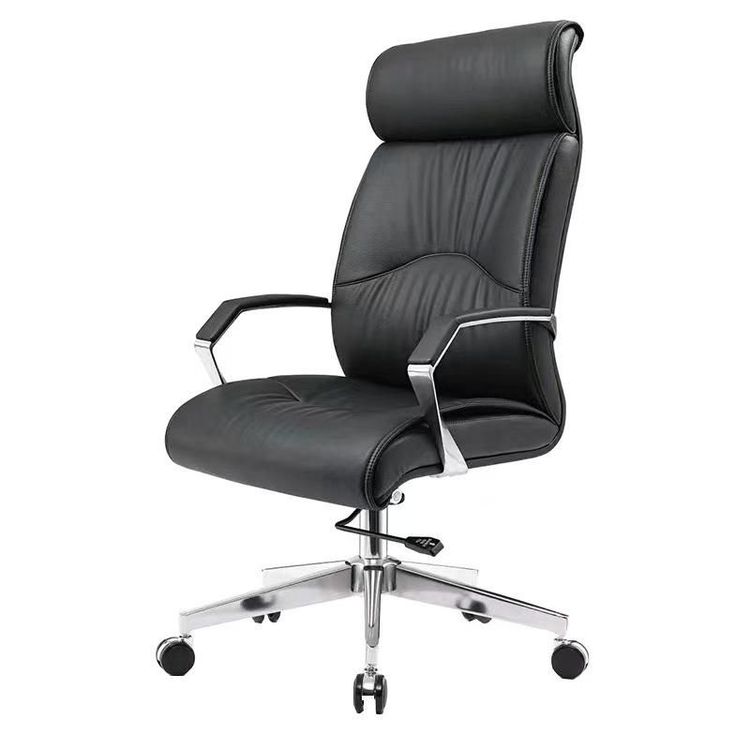
Why Office Chair Types Matter: A Quick Guide
The importance of office chair types lies in their direct impact on health, safety, functional adaptability, work efficiency, and alignment with industry development trends. Here are the specific reasons:

1. Health and Comfort
Different types of office chairs are designed to meet specific ergonomic needs, reducing fatigue and discomfort caused by prolonged sitting. For example, ergonomic office chairs typically come with adjustable lumbar support, seat depth, and armrests to accommodate different body types and sitting postures. Adjusting the seat height so that the feet are fully on the ground and maintaining a 95°-100° angle between the thighs and calves helps maintain the natural curve of the spine and reduces joint pressure. These designs significantly lower the risk of musculoskeletal disorders caused by prolonged sitting and enhance comfort during work.
2. Safety and Durability
Office chairs must comply with safety standards to prevent accidents. For instance, some products have been recalled due to backrest breakage or loose bolts, resulting in users falling and getting injured. Key components such as explosion-proof steel plates and certified gas lifts are crucial for ensuring structural stability. These safety features not only extend the chair's lifespan but also prevent potential hazards caused by component failures.
3. Functional Adaptability
Different scenarios require specific types of chairs. In a narrow sense, office chairs refer to desk chairs with backrests, while in a broader sense, they include executive chairs, visitor chairs, and training chairs. For example, executive chairs usually feature high backrests and leather materials, suitable for formal meetings; visitor chairs are designed to be lightweight for temporary use; training chairs need to be lightweight and stackable to accommodate group activities. Choosing chairs that match the scenario optimizes space utilization and enhances the user experience.
4. Work Efficiency Improvement
Ergonomic designs help users maintain a healthy state through dynamic spinal support and adjustable features, enabling them to stay focused and efficient during long working hours. For example, adjustable armrests and headrests reduce neck and shoulder fatigue, allowing users to concentrate better on their tasks. Studies have shown that ergonomic chairs can reduce fatigue by over 30%, indirectly boosting work output.
5. Market and Industry Trends
The global office chair market is undergoing technological innovations, such as specialized designs like intelligent lumbar tracking systems and heat therapy functions. As the world's largest producer and exporter, China holds a 65% market share, while the United States is the primary consumer market. These trends reflect the industry's pursuit of health, intelligence, and personalization. Choosing chairs that align with these trends ensures that businesses or individuals keep pace with technological advancements and enjoy a higher-quality user experience.
In conclusion, selecting office chairs requires a comprehensive evaluation of ergonomic design, safety certifications, and usage scenarios to ensure a balance between health, safety, and efficiency.