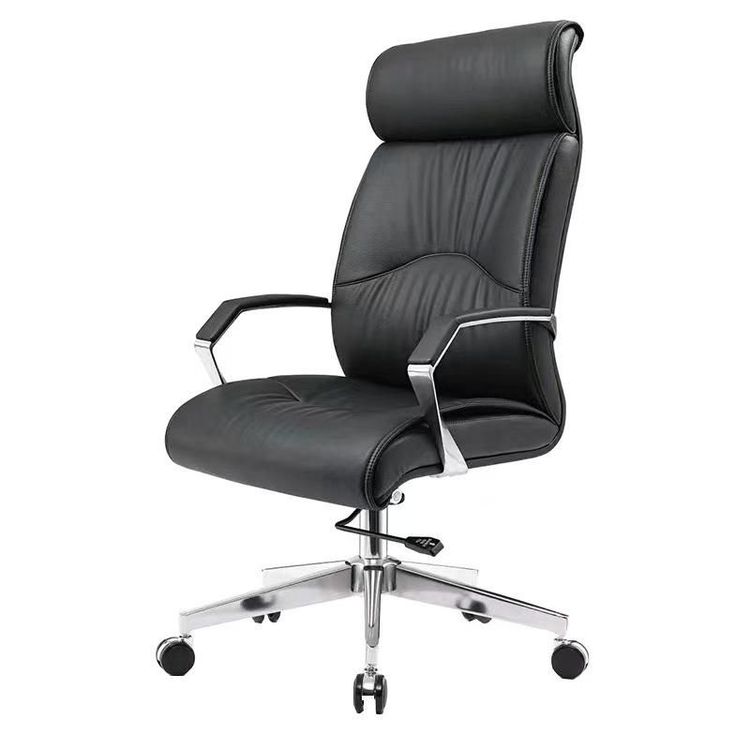
Why Office Chair Seat Cushion Picture Matter: A Quick Guide
Currently, there is no authoritative information directly addressing the specific topic of 'Why Office Chair Seat Cushion Picture Matter: A Quick Guide'. However, its importance can be explained from the perspectives of functional display, design adaptability, and user experience feedback.

1. Functional Display and Intuitive Understanding
Images of office chair seat cushions can visually present their core functions, such as ergonomic design (e.g., lumbar support, hip support structures), material properties (memory foam, gel, breathable mesh fabric, etc.), and additional features (adjustable height, massage modules, etc.). Through images, users can quickly determine whether the cushion meets their needs without reading complex technical specifications. For example, an image showing the uneven texture of a cushion's surface can directly convey its design concept of 'pressure dispersion', helping users understand its role in alleviating fatigue from prolonged sitting.
2. Design Adaptability and Scenario Matching
Images can demonstrate the adaptability of cushions to different office chairs. For instance, size compatibility (whether a round cushion fits a narrow seat), color coordination (whether it matches the existing office environment style), and installation method (whether it requires straps or anti-slip design). If the cushion and chair are harmoniously paired in the image, users can more intuitively assess their aesthetic and practical value in actual use, avoiding the risk of returns due to size or design conflicts.
3. Visualization of User Experience Feedback
Some images showcase the actual effects of cushions in combination with user scenarios (e.g., office work, gaming, home use). For example, an image showing a user maintaining correct posture after prolonged office work can indirectly prove the cushion's supportiveness; while a close-up showing the cushion's breathability (e.g., mesh pore structure) can help users understand its comfort in summer use. This visual feedback is more persuasive than textual descriptions, especially for users with limited purchasing experience, enabling them to quickly build trust.
4. Comparison and Decision Support
When comparing multiple cushions, images can highlight differentiated designs. For example, thickness comparison (thin models for summer, thick models for winter), shape comparison (flat vs. curved support), and detail comparison (stitching craftsmanship, edge finishing). By displaying images side by side, users can more efficiently filter out products that match their personal preferences (e.g., softness, appearance style), reducing decision-making time.
Conclusion: Images of office chair seat cushions are not just product display tools; they are key media for users to understand functions, assess adaptability, obtain experience feedback, and support decision-making. Although there is no specific guide, by analyzing the information dimensions conveyed by images, their core value in actual purchasing can be clarified.