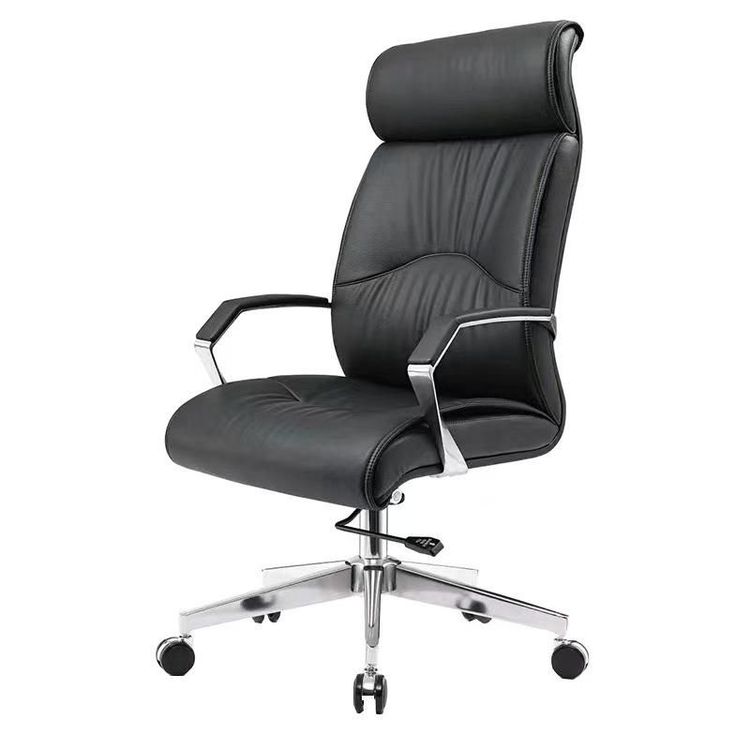
Why Office Chair Quality Matters: A Quick Guide
High-quality office chairs are crucial, as they relate to comfort, support, safety, and long-term health benefits. Here are the specific reasons:

1. Ergonomic Support
High-quality office chairs, especially those with ergonomic designs, provide precise support to the body through adjustable components such as lumbar support, headrests, and armrests. For example, adjustable lumbar support reduces the phenomenon of a hollow lower back, lowers local pressure, and reduces the risk of lumbar spine injury by up to 92%. This design helps maintain proper sitting posture, reduces pressure on the back, neck, and shoulders, and prevents muscle fatigue caused by improper posture.
2. Comfort for Prolonged Sitting
Premium office chairs use materials such as breathable mesh backrests and high-density foam seats to evenly distribute body pressure and prevent numbness or fatigue from prolonged sitting. For instance, chairs equipped with 'cloud-like pressure-relief seats' use high-density, high-resilience foam to evenly distribute pressure on the buttocks and thighs, enhancing comfort. Additionally, adjustable seat depth allows users to adjust their sitting posture according to leg length, further reducing discomfort.
3. Durability and Safety
High-quality office chairs are made of durable materials and undergo rigorous safety testing. For example, gas cylinders are certified by TUV or SGS to ensure stable lifting and prevent tipping or explosion risks. Sturdy chair frames and high-quality casters extend the chair's lifespan, reduce the cost of frequent replacements, and are more economical in the long run.
4. Health Benefits
Poor-quality chairs can lead to improper sitting postures, causing muscle tension and even long-term health issues such as chronic back pain. In contrast, ergonomic chairs provide continuous support from the shoulders to the waist through full-back support structures (such as integrated large-radius back frames and high-elasticity mesh), helping the spine naturally conform to the chair back and reducing health risks. For example, full-back support designs promote healthy sitting postures and reduce the incidence of chronic pain.
5. Improved Work Efficiency
Comfortable and supportive office chairs reduce the frequency of users being distracted by discomfort or pain, allowing them to focus more on their work. When employees do not need to frequently adjust their posture or endure physical discomfort, their work efficiency and duration significantly improve. Studies have shown that ergonomic office environments enhance employee satisfaction and productivity.