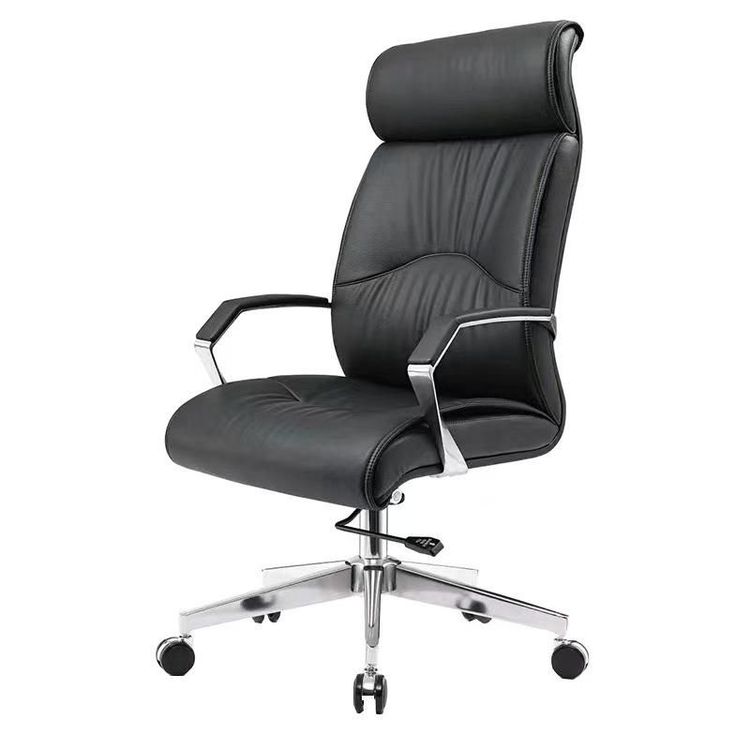
Why Office Chair Armrest Picture Matter: A Quick Guide
The design details of office chair armrests (such as the adjustable features and materials shown in pictures) are crucial for selecting ergonomic options and enhancing user experience, for the following reasons:

1. Height and Angle Adjustment: Adapting to Individual Differences
High-quality office chair armrests should support 3D adjustment (height, angle, and front-back position) to accommodate different body types and work postures. For example, the armrest height should match the elbow height when the shoulders are relaxed, keeping the elbows at a 90-100 degree angle to reduce tension in the shoulder and neck muscles. If the armrests are fixed or have limited adjustment range, users may be forced to shrug their shoulders or lean forward, leading to muscle strain over time. Pictures allow for a straightforward assessment of whether the armrests offer multi-dimensional adjustability, a key factor in evaluating their ergonomic suitability.
2. Material and Durability: Balancing Comfort and Longevity
Modern armrests often use a combination of materials, such as PU plastic for a soft feel, metal frames for structural stability, and nylon for enhanced wear resistance. The PU coating reduces friction between the arm and hard materials, improving comfort during prolonged use; metal or high-strength plastic frames prevent deformation and extend the lifespan of the armrests. Pictures showing material details (such as surface texture or structural layers) help users determine if the durability and feel meet their needs.
3. Ergonomic Synergy: Optimizing Work Posture
Armrests need to work in harmony with keyboard and mouse positions. Ideally, armrests should be level with the desk, allowing the arms to hang naturally and keeping the wrists in a neutral position to avoid twisting during mouse use. Some designs, such as foldable or rotating armrests, can adapt to different scenarios: for example, rotating armrests can be tucked away during meetings to save space, while foldable armrests facilitate chair storage. Pictures showing the relative position of the armrests to the desk or dynamic usage scenarios provide a clear indication of whether the design adheres to ergonomic principles.
4. Health and Efficiency: Reducing Strain and Enhancing Focus
Ergonomic armrests support the arms and maintain proper sitting posture, reducing the risk of muscle strain. Fixed armrests may force users to adjust their body to fit the armrest height, leading to shoulder, neck, or back pain; adjustable armrests, by distributing arm pressure, minimize compensatory body movements and indirectly boost work efficiency. Pictures with labeled adjustment ranges or health certifications (such as ISO standards) can strengthen user confidence in the product's safety.
Summary: Pictures or design details of office chair armrests provide a clear view of their adjustable features, material properties, and ergonomic suitability. When selecting, focus on whether the adjustment range covers individual needs, whether the materials balance comfort and durability, and whether the design is compatible with the workstation, ensuring long-term health and efficiency.