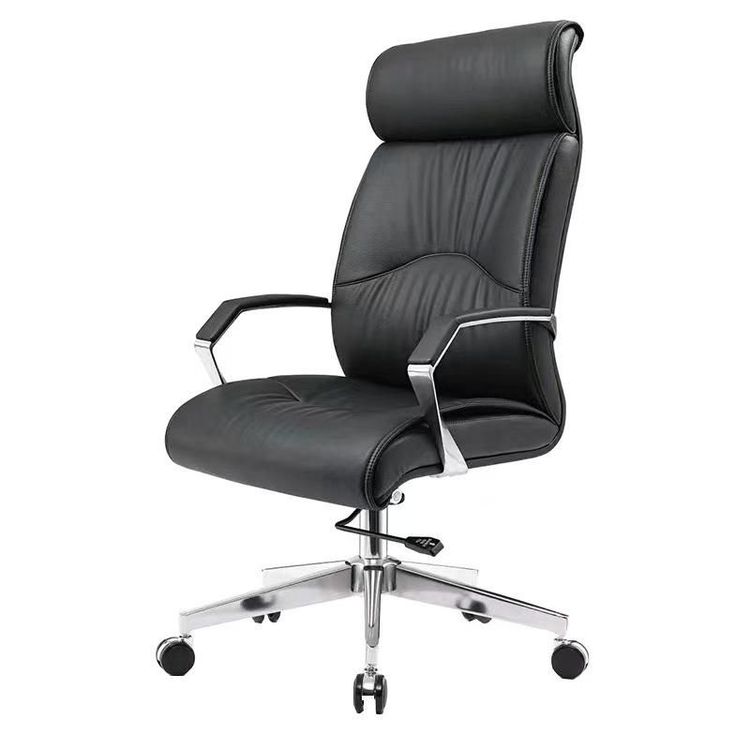
Why Office Chair Adjustable Matter: A Quick Guide
The adjustable features of office chairs are crucial, directly impacting the user's health, comfort, and work efficiency. Here are the specific reasons for analysis:

1. Accommodate individual differences and ensure a healthy sitting posture
There are significant differences in height and body shape among individuals, making it difficult for fixed-design office chairs to meet diverse needs. Adjustable features (such as height, armrests, and backrest angle) allow users to customize parameters based on their own characteristics, keeping various body parts in a natural and relaxed state. For example, adjusting the seat height ensures that both feet are flat on the ground, preventing blood circulation issues caused by leg suspension; adjusting the backrest angle supports the natural curve of the spine, reducing lumbar pressure. This personalized adaptation is key to preventing musculoskeletal disorders (such as cervical spondylosis and lumbar disc herniation) caused by prolonged sitting.
2. Alleviate local fatigue and enhance comfort
Maintaining the same posture for an extended period can exacerbate fatigue in specific areas. Adjustable armrests can support the elbws, distributing shoulder and neck pressure, especially for computer users, significantly reducing muscle tension caused by arm suspension; adjusting the backrest angle allows users to switch sitting positions (such as leaning back for a rest), avoiding continuous pressure on the same muscle groups from a single posture. Studies have shown that ergonomic adjustable designs can reduce muscle fatigue by more than 30%.
3. Adapt to diverse scenarios and enhance functional flexibility
Office scenarios are dynamic, ranging from focused work to collaborative discussions, from computer operations to reading documents, with varying sitting posture requirements for different tasks. Adjustable office chairs can meet scenario-switching needs through quick adjustments (such as lowering armrests for side conversations or straightening the backrest for focused typing). Additionally, in shared office spaces, adjustability allows the same chair to accommodate users of different heights, avoiding poor adaptability issues caused by fixed designs.
4. Serve as a core selection criterion and relate to overall product performance
When selecting office chairs, adjustability is one of the core dimensions for evaluating product quality. It, along with lumbar support, seat depth adjustment, material breathability, and warranty policies, constitutes product competitiveness. For example, chairs lacking height adjustment may be eliminated for their inability to accommodate users of different heights; chairs with non-adjustable armrests can cause shoulder and neck issues after prolonged use. Therefore, adjustability is not just a functional design but also a manifestation of product humanization and professionalism.