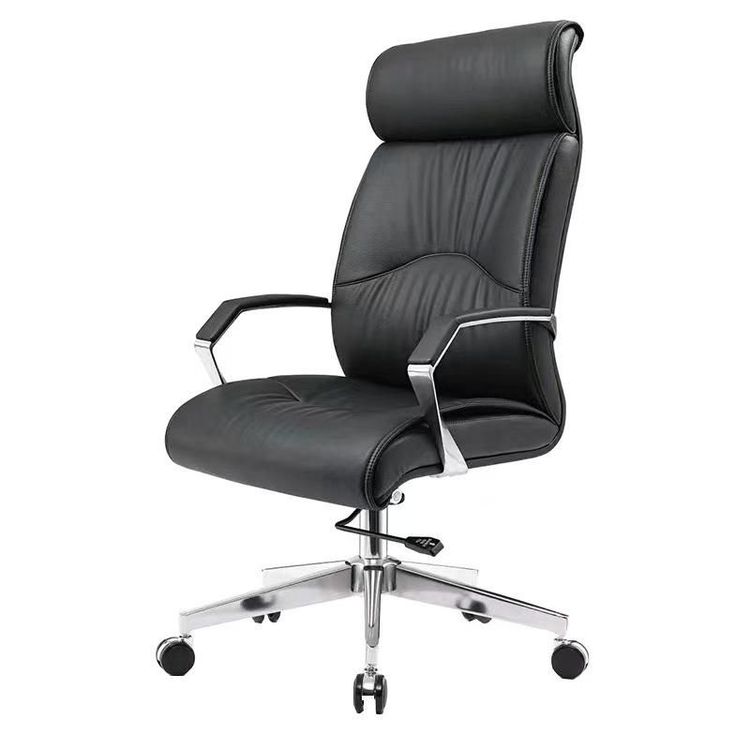
Why Folding Office Chair Picture Matter: A Quick Guide
The importance of folding office chair pictures is mainly reflected in three aspects: functional visualization, presentation of design details, and guidance on usage scenarios. These characteristics collectively help users quickly understand the product value and make decisions.

Functional Visualization: Intuitively Demonstrating Portability and Space Adaptability
The core advantages of folding office chairs lie in their portability and space-saving capabilities, and pictures can make these features tangible through dynamic or static displays. For example, some products use pictures to show the process of “folding in one second” or to demonstrate that the folded chair occupies only one-third of the volume of a traditional chair, clearly indicating its suitability for small apartments, temporary offices, or mobile work environments. Taking the Zhuoming ZY02 and Muhanyue folding chairs as examples, their product pictures clearly show the flattened structure after folding, allowing users to understand the convenience of storage without reading complex text. This visual representation is particularly attractive to space-sensitive users, such as renters or small startups, and can quickly convey the product's ability to solve space-related issues.
Presentation of Design Details: Highlighting Materials and Ergonomic Features
Pictures are the most direct way to showcase product materials and design details. The materials of folding office chairs directly affect comfort and durability. For instance, features like high-density foam cushions, breathable mesh fabrics, or reinforced metal frames can be clearly presented through close-up pictures. Taking the LK 542B Modern Folding Training Chair as an example, its pictures showcase the combination of orange fabric and metal frame, highlighting both visual design and implying the material's breathability and load-bearing capacity. Additionally, details of ergonomic design, such as adjustable armrests and reclining backrests, also need to be presented through pictures. For example, whether the backrest curve fits the spine or whether the armrest height matches the desk surface directly affects user comfort during prolonged use, and pictures can convey this information more efficiently than text.
Guidance on Usage Scenarios: Simulating Actual Demand Matching
Pictures can help users quickly determine whether a product meets their needs through scenario-based displays. For example, the usage effects of folding office chairs vary significantly in offices, home studies, or training rooms. By simulating different scenarios through pictures, such as the pairing of the chair with a desk or the form of the folded chair stored in a corner, users can visually assess its applicability. Some products also use comparison pictures to show the difference in space occupation between the folded and unfolded states, further reinforcing users' perception of “flexible use.” This scenario-based guidance is particularly user-friendly for non-professional users, reducing decision-making costs and improving purchase conversion rates.
For a more in-depth guide, such as image selection criteria for different scenarios or shooting techniques for design details, it is recommended to further analyze in conjunction with specific product manuals or industry design specifications.