
Welding and Repair of Office Chairs
The welding and repair of office chairs should be handled carefully according to the damaged parts. Non-professional operations may pose safety risks. When precision components such as gas springs are damaged, self-welding is strictly prohibited, and professional personnel should be contacted to replace the parts.
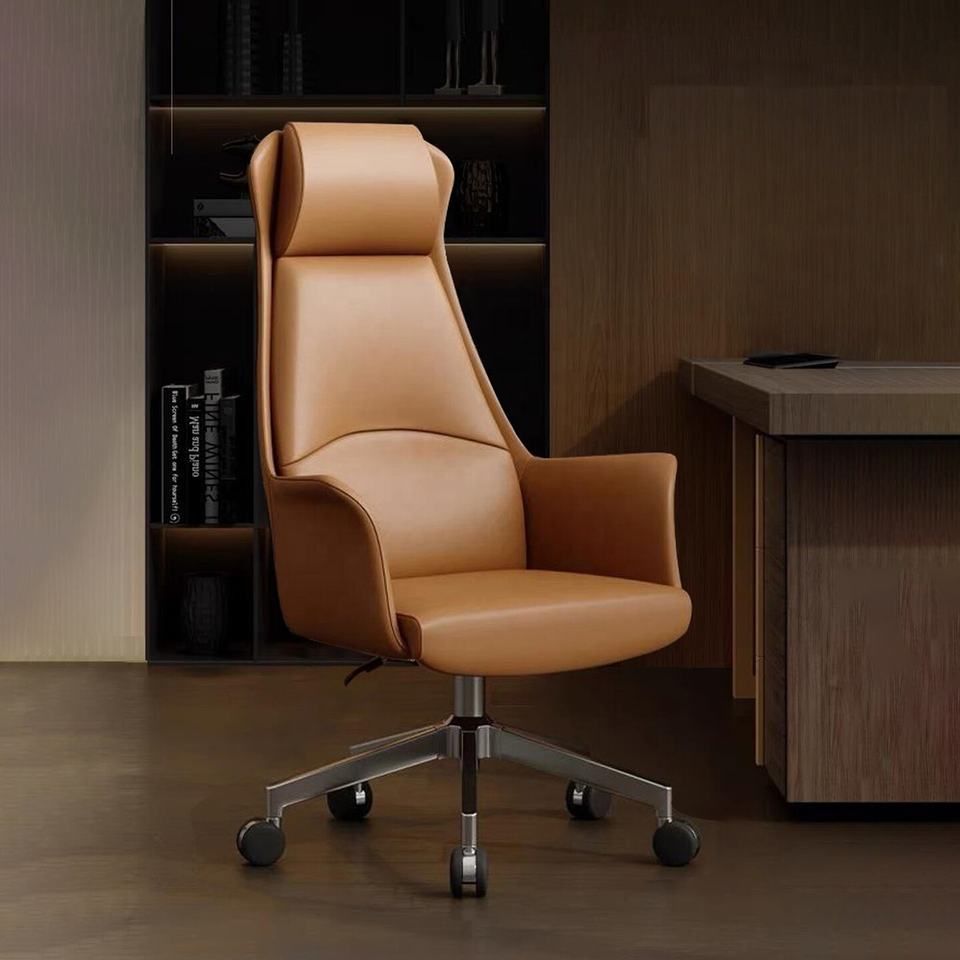
I. Repair Methods for Metal Frame Fractures
Using Welding Tools
If the welds on metal frames such as chair legs and crossbeams are broken, and you possess welding skills, you can use electric welding or flame welding tools for repair. Select metal welding wires and solder that match the base material, and strictly control the heat input to avoid excessive temperature causing metal deformation or a decrease in toughness. For example, welding of bench chairs often employs moderate heat input combined with multi-layer and multi-pass welding to reduce the range of the heat-affected zone. After welding, clean up welding slag and splatter to prevent a decrease in coating adhesion, which could lead to rusting.Using Metal Glue
For non-load-bearing parts (such as decorative metal pieces) or temporary repairs, high-viscosity metal glue can be applied to the broken area. Ensure that the glue is completely dry before use, but this method is only suitable for low-stress scenarios. Long-term load-bearing may cause the glue layer to detach.Re-welding for Fixation
If the bracket is loose, causing the weld to crack, the chair should be fixed with clamps before welding to ensure weld strength. The welding sequence should proceed symmetrically from the middle to both ends, or the skip welding method (interval welding) can be used to disperse heat and reduce the risk of deformation. For example, when repairing a four-legged chair, you can first weld the diagonal welds and then fill in the remaining parts.
II. Key Precautions
Prohibition of Welding Precision Components Such as Gas Springs
The internal seals of gas springs are sensitive to temperature. High-temperature welding can damage the sealing structure, leading to malfunction of the control switch or the risk of explosion. If a gas spring is damaged, professional maintenance personnel must be contacted to replace the original parts. Do not handle it yourself.Prioritize Replacing Parts Over Direct Welding
Professional maintenance usually involves replacing components such as trays and gas springs rather than directly welding broken parts. For example, after the base of a computer chair is welded open, the high temperature from an electric welding shop may damage the seals of the gas spring, causing it to malfunction.
III. Preventive Measures
Focus on Quality When Purchasing
Choose office chairs with reliable metal frames and welds. Prioritize purchasing through formal channels to avoid products made of inferior materials or with poor craftsmanship.Standardize Usage Habits
Avoid forcibly dragging or hitting the chair. Sit down slowly to prevent instantaneous impact from causing weld cracking. Also, avoid placing the chair in humid, high-temperature, or corrosive environments for extended periods.Regular Inspection and Maintenance
Inspect welds, screws, and other connecting parts monthly for looseness or cracks. If abnormalities are found, contact professional personnel for repair promptly to prevent minor issues from evolving into safety hazards.


