Various Types of Office Chairs
The names of office chairs can be mainly divided into narrow-sense office chairs, broad-sense office chairs, and other types, as detailed below:

Narrow-sense office chairs specifically refer to backrest chairs used by individuals in a seated position while performing desk work. These chairs typically have a simple design, primarily providing basic sitting support to meet the fundamental sitting needs in daily office work. They help users maintain a relatively upright sitting posture, reducing physical fatigue caused by prolonged improper sitting positions, and are commonly found in ordinary office areas for daily employee use.
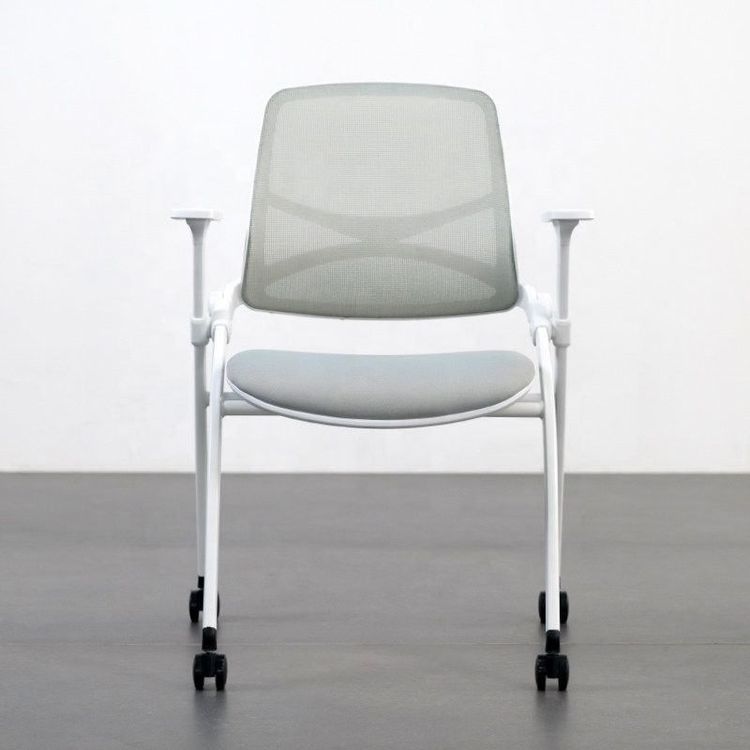
Broad-sense office chairs encompass a wider variety of types, including executive chairs, manager chairs, reception chairs, staff chairs, conference chairs, visitor chairs, training chairs, and ergonomic chairs. Executive chairs are generally used in the offices of senior company management. They have a luxurious and grand design, often featuring larger dimensions and comfortable backrests and armrests. High-grade leather and other materials are frequently selected to highlight the user's status and position. Manager chairs are slightly smaller in size compared to executive chairs and are suitable for the office scenarios of middle-level management. Reception chairs are mainly used in areas for receiving visitors, with a design that emphasizes aesthetics and comfort to leave a good impression on visitors. Staff chairs are used by ordinary employees for daily office work, focusing on practicality and cost-effectiveness. Conference chairs are used in conference rooms to facilitate seating for participants during meetings, with a design that considers ease of movement and storage. Visitor chairs are specifically prepared for visiting guests and are usually placed in reception areas and other locations. Training chairs are suitable for training venues, and their design may place greater emphasis on lightness and adjustability to meet the needs of different training scenarios. Ergonomic chairs are designed based on ergonomic principles, able to better fit the human body's curves, provide precise support for various body parts, effectively reduce physical stress, prevent occupational diseases, and are suitable for people who work for long periods.
Other types of office chairs include work chairs, which are mainly suitable for workplaces such as production workshops. These chairs typically place greater emphasis on durability and practicality, being able to adapt to relatively complex and harsh work environments. Student chairs are suitable for schools and conference venues, with a design that takes into account the physical development characteristics and usage habits of students. Computer chairs are widely used in office environments, especially work scenarios that require prolonged computer use. Their design focuses on supporting the neck, waist, and other areas to alleviate physical discomfort caused by long-term computer use.