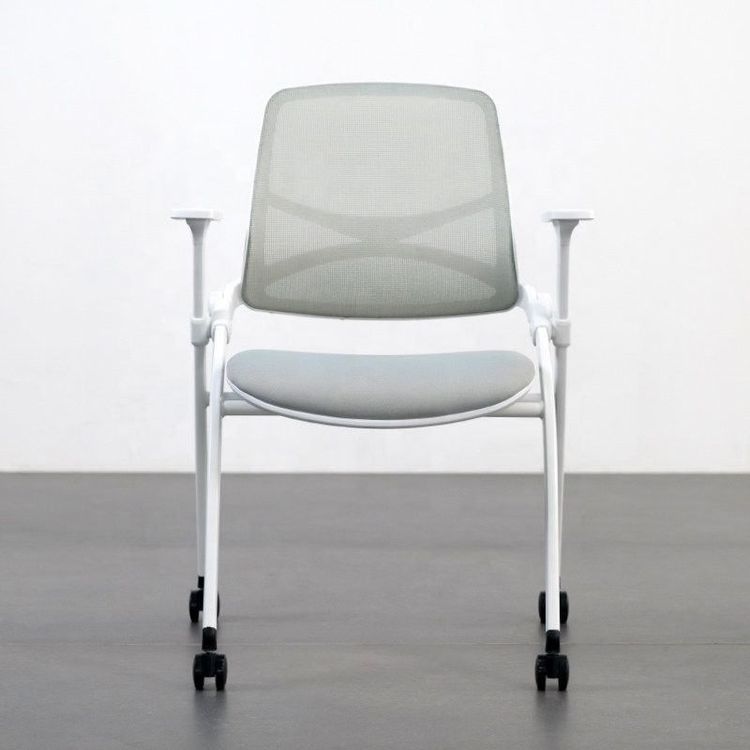
Tax Window Office Chair
Currently, there is no unified standardized configuration or design specification for tax window office chairs, and specific procurement needs vary by region and unit. The following analysis is based on existing cases and industry characteristics:

1. Significant Differences in Procurement Budgets and Quantities
Procurement needs vary greatly among tax departments in different regions. For example, the State Taxation Administration Boluo County Tax Bureau once procured 40 staff chairs with a budget of approximately 120,000 yuan, averaging about 3,000 yuan per chair. This budget level may include the chairs themselves and associated service costs, but it is not explicitly stated whether they are specifically for tax windows. Some units may include office chairs in their overall office furniture procurement projects rather than conducting separate tenders, resulting in a lack of detailed parameters in publicly available information.
2. Functional Requirements and Scene Adaptability
Tax window office chairs need to meet the demands of prolonged sitting work, typically requiring ergonomic design features such as adjustable height, lumbar support, and breathable materials to reduce staff fatigue. Additionally, considering the temporary seating needs of taxpayers during business transactions, some units may configure two types of seating: dedicated chairs for staff (emphasizing comfort) and temporary chairs for taxpayers (emphasizing portability). For instance, the Shijiazhuang Qiaoxi District Tax Bureau was criticized for the unreasonable design of temporary stools for taxpayers and later promised to replace them with more comfortable regular stools, reflecting the differentiated requirements for seating design in different usage scenarios.
3. Material and Safety Requirements
As public places, tax windows require office chair materials to comply with safety standards such as fire resistance and environmental protection. Common materials include fire-resistant boards and melamine boards (used for matching office desks), but the chairs themselves may use a combination of metal frames, high-density foam, and breathable mesh fabrics to ensure durability and comfort. Some units may require seats to pass the China Compulsory Certification (CCC) to ensure safety in use.
4. Regional Procurement Characteristics
From publicly available cases, it is evident that tax department procurement behaviors exhibit significant regional differences. For example, in the tax window配套方案 (supporting plan) provided by Shanghai Pinyuan Office Furniture Company, the dimensions and materials of office desks are clearly specified, but details about office chairs are not mentioned, possibly due to local procurement habits or supplier plan differences. This indicates that the configuration of tax window office chairs is more often determined by local units based on actual needs rather than following a national uniform standard.
Summary: The configuration of tax window office chairs needs to comprehensively consider budget, functional requirements, material safety, and regional differences, and currently, there is no unified standard. When procuring, it is recommended to prioritize products that comply with ergonomic design and have passed safety certifications, and configure different types of seating based on actual usage scenarios (such as for staff or taxpayers).