
Super Resilient Office Chair
Currently, there is no specific product information about the 'Super Resilient Office Chair', but some ergonomic office chairs with excellent resilience characteristics can serve as a reference for purchase. The following introduces relevant product features from the perspectives of resilient materials, breathability, and support:
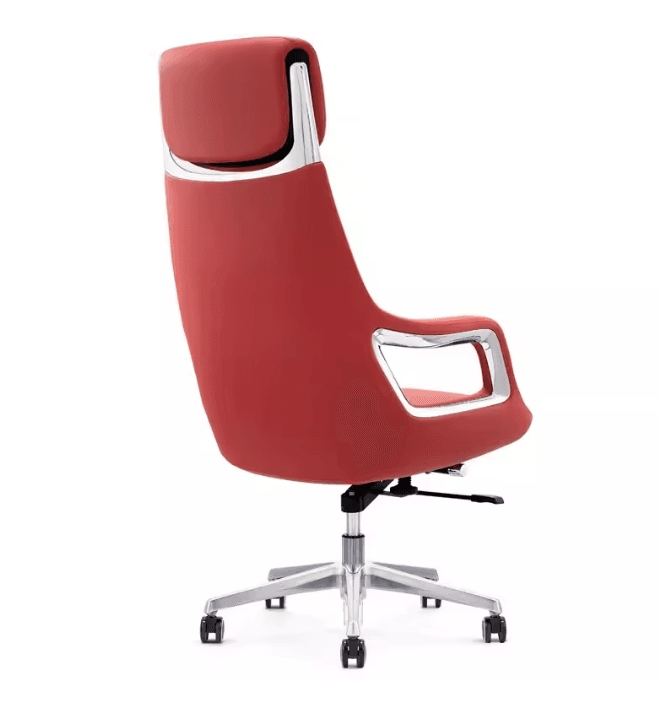
1. Application of Resilient Materials
Some office chairs achieve comfortable support through high-resilience materials. For example, the Henglin L700 ergonomic chair uses a high-resilience matrix special mesh fabric. This material forms an elastic support structure through a special weaving process, which can disperse body pressure and quickly recover from deformation, preventing sagging after prolonged sitting. Its resilience has been tested in laboratories and can withstand tens of thousands of pressure cycles without significant deformation, making it suitable for office scenarios that require long periods of sitting.
2. Synergistic Design of Breathability and Resilience
Resilient materials are often combined with breathable structures. For instance, the special mesh fabric of the Henglin L700 provides resilient support while allowing air circulation through its mesh design. This design addresses the stuffiness issue caused by insufficient resilience in traditional sponge cushions, making it especially suitable for summer or poorly ventilated office environments. Experimental data shows that such fabrics can reduce body surface temperature by 2-3°C and humidity by 15%-20%.
3. Balancing Support and Resilience
The resilience design of ergonomic chairs must consider support for key areas such as the waist and neck. For example, the Youlansen series of office chairs use a zoned load-bearing structure with different densities of resilient materials in the seat cushion and backrest: the front of the seat cushion uses softer materials to relieve thigh pressure, while the back uses high-density materials to support the buttocks; the backrest features an elastic lumbar support that dynamically follows the user's movements. When the user leans back, the lumbar support automatically adjusts the support angle and intensity.
4. Purchase Recommendations
- Test Sitting Experience: Resilience performance should be judged through actual sitting. High-quality products should automatically adjust support intensity based on body weight to avoid being too soft or too hard.
- Material Certification: Prioritize products certified by BIFMA (Business and Institutional Furniture Manufacturers Association) or GB/T (Chinese National Standards) to ensure the materials are environmentally friendly and meet resilience standards.
- After-Sales Guarantee: Pay attention to the warranty period, as resilient materials can degrade over long-term use. It is recommended to choose brands that offer a warranty of more than 3 years.



