Steel Tube Supported Office Chair
A steel tube supported office chair is an office furniture piece that uses steel tubes as its core load-bearing structure, achieving a balance between support and comfort through material combinations.

Core Structure and Materials
- Steel Tube Frame: The chair's bottom frame is bent and shaped by machines and welded to the seat cushion. The chair legs typically use high-strength 350# steel tubes (with a wall thickness of approximately 3.5 millimeters), which offer superior bending strength and fatigue resistance compared to 200# or 250# steel tubes, effectively preventing deformation or breakage after long-term use.
- Functional Components: The support frame includes hydraulic mechanisms (for height adjustment), 360-degree rotating bearings, and movable wheels (such as PU casters, which have low rolling resistance and strong wear resistance, suitable for hard floors). Some designs incorporate steel bars fixed in the middle of springs to enhance stability.
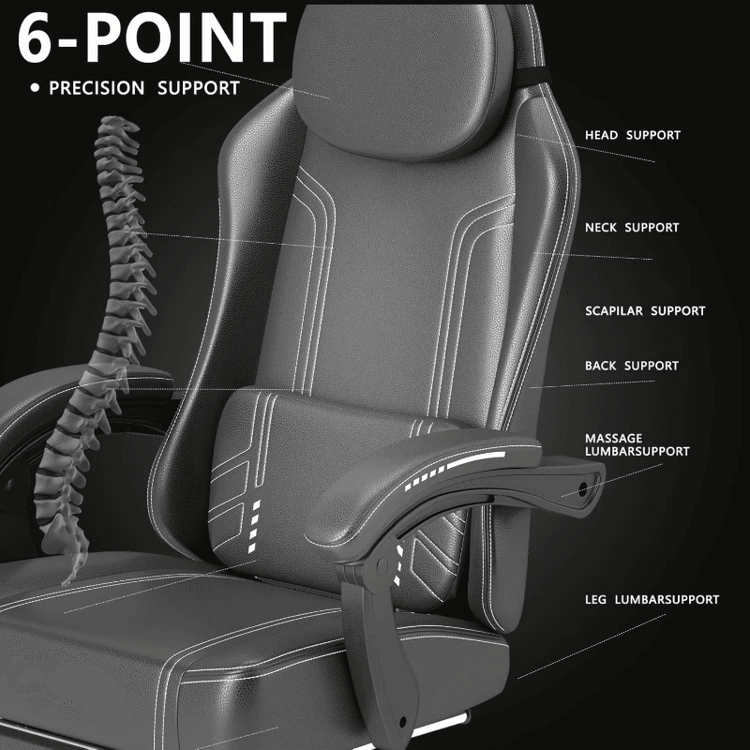
- Comfort Design: The backrest is contoured based on the human body's prolonged sitting posture, with particleboard added before the sponge to increase support. The seat cushion adjusts its firmness through sponge density, with some high-end models wrapped in leather or breathable mesh fabric.
Technical Differences and Performance Impacts
- Steel Tube Material and Thickness: 350# steel tubes perform better in heavy-load or frequent rotation scenarios, while thin-walled steel tubes (such as 200#) are prone to breakage due to stress concentration. Wall thickness directly affects load-bearing capacity, with 3.5 millimeters being sufficient for most office settings.
- Dynamic Stability: The coordination between hydraulic mechanisms and rotating bearings must pass certification tests (such as chair frame strength tests and gas lift durability tests) to ensure smooth operation without jamming or unusual noises during height adjustment or rotation.
- Wheel Adaptability: PU casters are suitable for tiled or wooden floors, while nylon wheels are better for carpets; silent designs reduce noise interference in office environments.
Manufacturing and Certification Standards
The industry requires multiple tests for manufacturing: chair frames must withstand dynamic loads (such as repeated application of 100kg weight), sponge density must reach 25-30kg/m³ to prevent sagging, and gas lifts must pass SGS or BIFMA certifications (with a pressure resistance value typically ≥800kg). Shunde in Guangdong and Anji in Zhejiang are the main production bases in China, with industrial chains covering steel tube processing, injection molding, and assembly.
Such chairs combine steel tubes with springs, sponges, leather, and other materials to ensure structural strength while meeting ergonomic needs, making them common seating options in modern office settings.