
Standing All Day Isn't a Cure-All Either: Sit-Stand Balance Is the Healthy Answer
As more and more jobs keep us at a desk all day, the question of how we sit and stand at work has become impossible to avoid. In the past, the media constantly warned about the dangers of prolonged sitting; in recent years, standing at work has been touted as a cure-all.
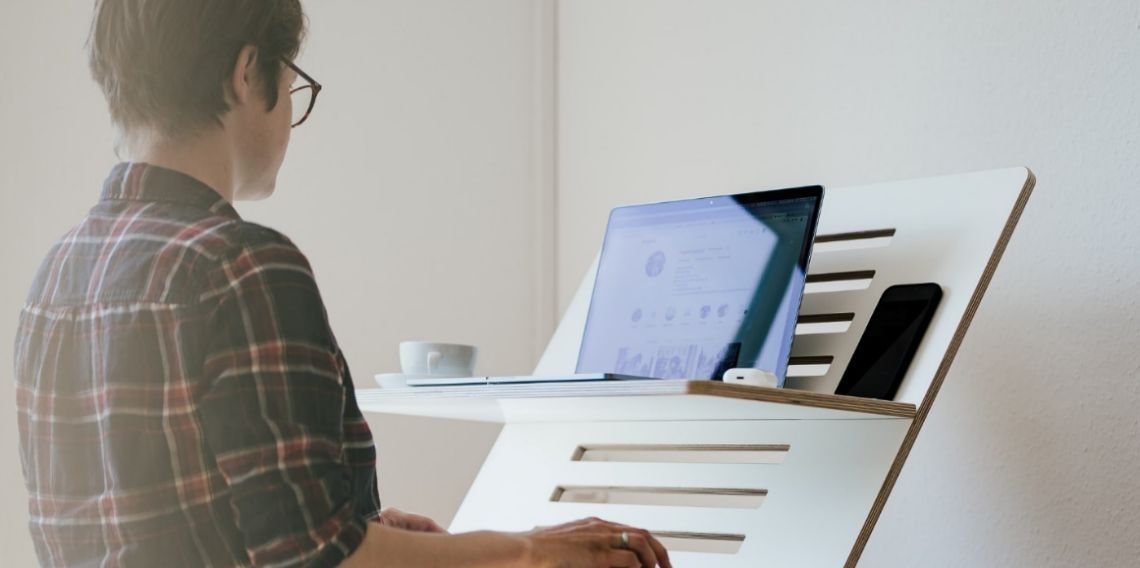
Even with correct posture, prolonged sitting is still harmful
Even with an ergonomically sound sitting posture, sitting for long stretches can still cause the problems below — and an unhealthy posture only makes them worse:
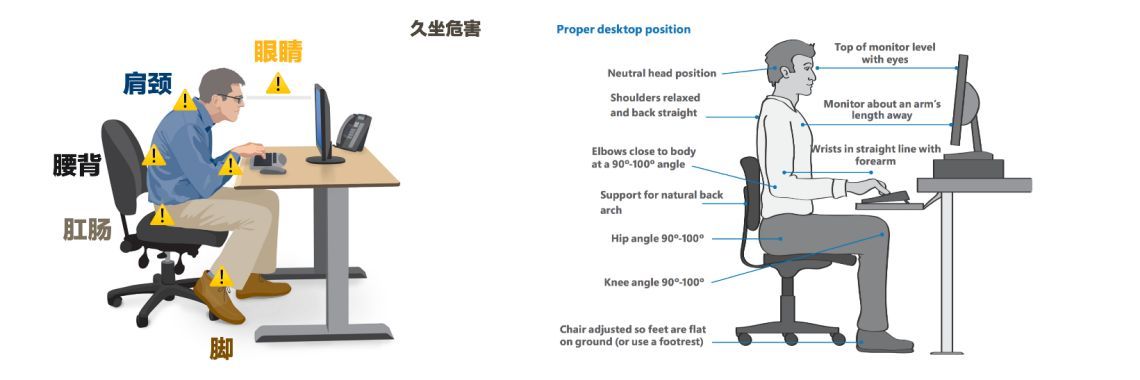
Elbows, shoulders and neck: Keeping the wrists bent for long periods at work causes fatigue and can easily damage the elbows; when the shoulders and chest never stretch open, the entire upper body stays under constant tension; and a poorly positioned keyboard keeps the muscles strained for hours on end.
Feet, lower back: If the feet are not flat on the floor, or if you habitually cross your legs, pressure travels up to the lower back and, over time, strains the lumbar muscles. Chronic hunching and slouching can even deform the spine.
Colorectal health: Research shows that the overall incidence of colorectal disease among urban residents in China is 51.14%, making it a very common chronic condition. The biggest contributing factors are unhealthy lifestyle, work habits and diet — and prolonged sitting is one of the leading triggers.
Standing all day isn't the answer either — prolonged standing still counts as “sitting”
To reduce sedentary time, more and more people are trying standing desks, yet by scientific standards standing still counts as sedentary behavior. The scientific definition of Sedentary Behavior is any movement or posture that expends no more than 1.5 times the energy expended while sitting. Sitting, standing and lying down are all low-activity states and therefore all “sedentary.” In terms of internal harm to the body, standing all day is no better than sitting all day: the risks of hypertension and diabetes do not go down when you work standing up.
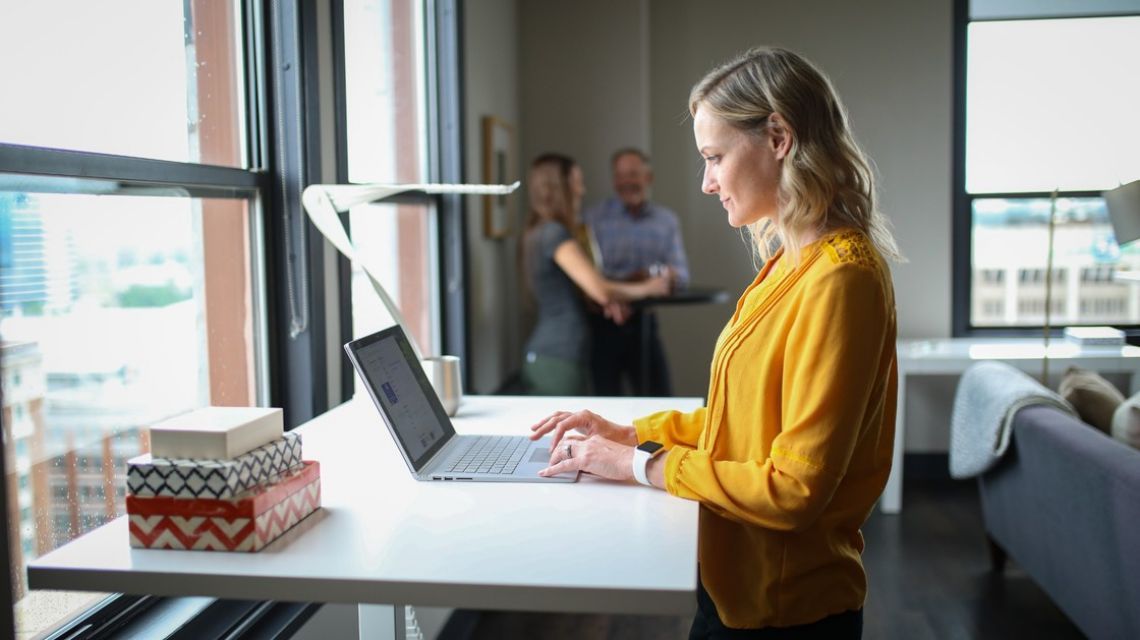
In terms of external harm to the body, standing does have benefits. When you sit for long periods, the muscles at the front of the body shorten while those at the back weaken, producing lower crossed syndrome that triggers lower-back pain — a problem standing work avoids. But prolonged sitting hurts the lower back, and prolonged standing hurts the legs. Standing for hours on end obstructs venous return in the calves and can easily lead to varicose veins; teachers who spend years on their feet at the lectern are a classic example.
Alternating sitting and standing is the right way to work
Whether you sit or stand, what really harms your health is staying static for long stretches. The essence of healthy work is to “get moving on a regular basis” — alternate sitting and standing, move around in moderation, and keep a correct posture in each state.
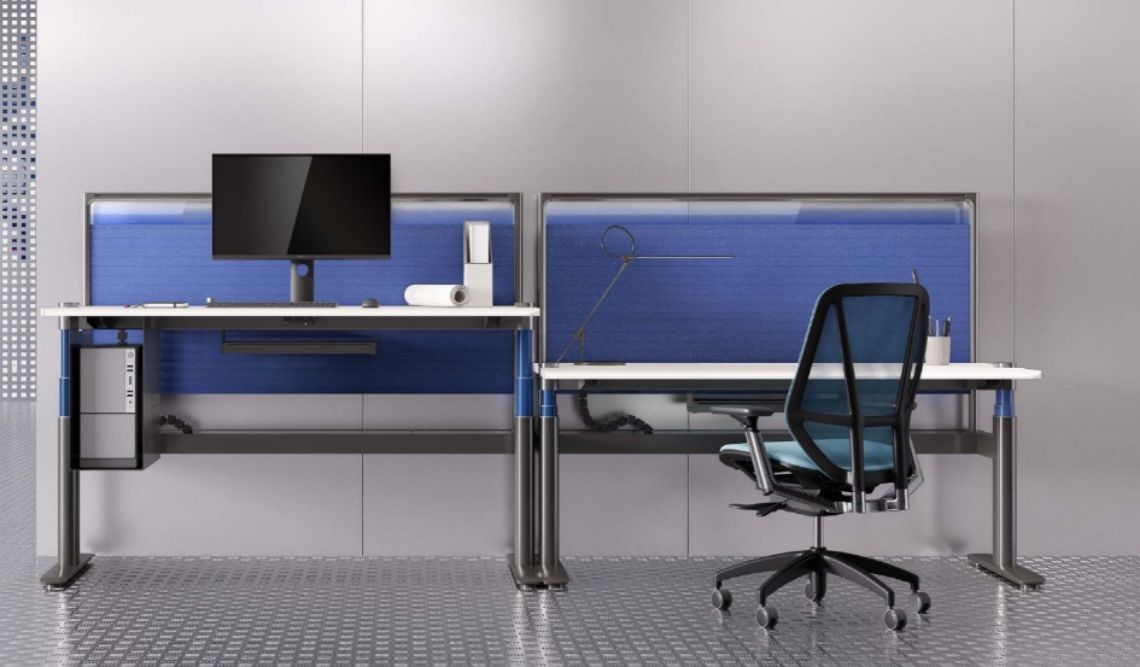
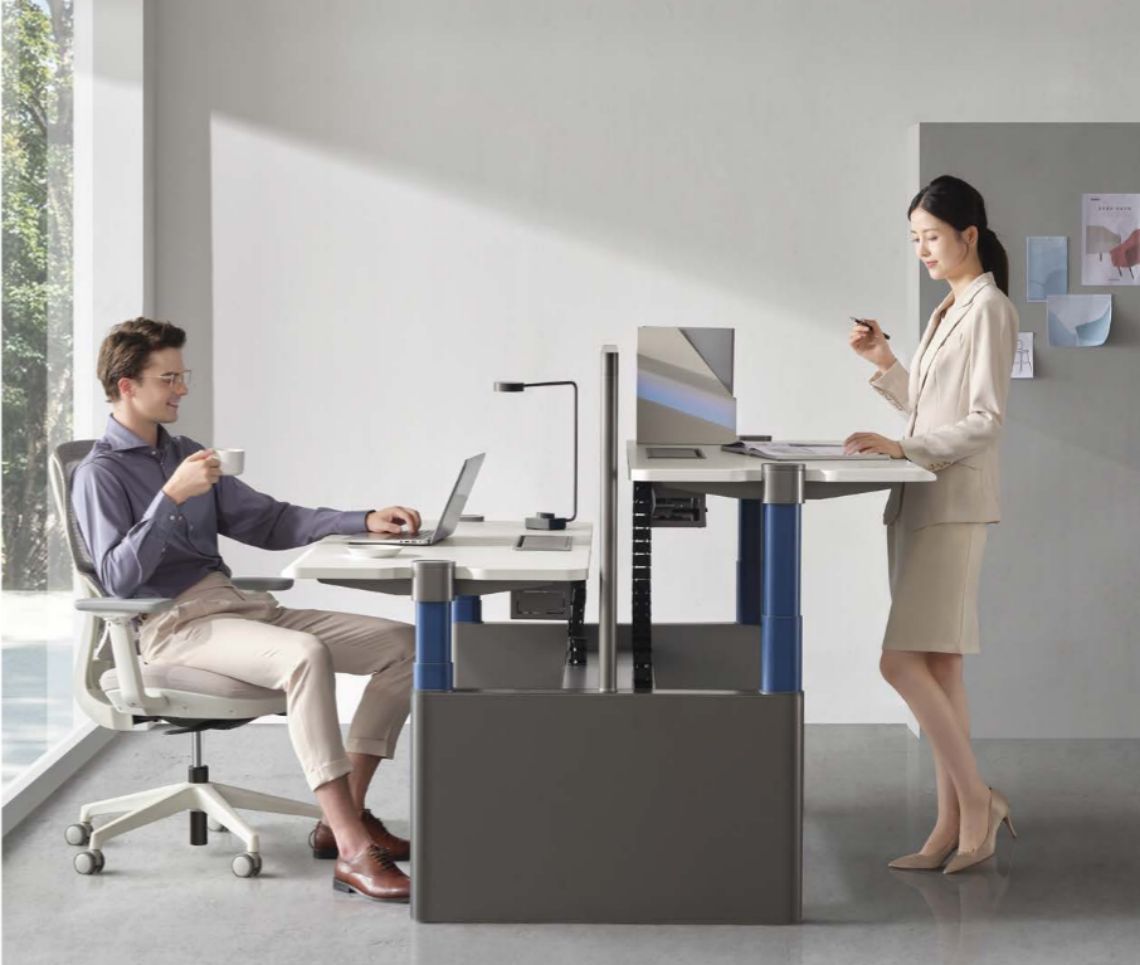
Sitting all day is harmful, standing all day is no better, and alternating between the two is best. Sit-stand alternation is currently an effective way to cut sedentary time: one study found that after workplaces were switched to standing setups, sedentary time fell by 30–50%. After a year, sedentary time had crept back up slightly, but was still 23.5% lower than two years earlier. We recommend the “45+15” sit-stand rhythm — sit for 45 minutes, then stand for 15. Cycling through this all day not only guards against the health risks of prolonged sitting but also improves focus and productivity. What's more, standing 15 minutes out of every hour adds up to 120 minutes over an 8-hour day, burning roughly 200 calories — standing promotes health, delivers a light workout, and pays off in more ways than one.
Use your height-adjustable workstation properly to work healthy
Height-adjustable workstations have long been in service, but because health awareness varies so widely, many employees never use their sit-stand desks scientifically or consistently. Busy schedules or deep focus make them ignore their bodies, the habit of alternating sitting and standing never takes hold, and the desk becomes mere decoration.
Switch quickly between sitting and standing to relieve pressure on the spine, and don't let office furniture dictate your posture. The body relies on movement to keep blood flowing, and the brain benefits from the extra supply. Smart office furniture can help employees build proactive health habits, boost productivity, and make life healthier.
You may also like
Championing Formaldehyde-Free Offices: Yihang's Healthy Work Mission Upgraded
Read More
Back to the 60s? Reinventing the Cubicle
Read More
European Designer Interview: Uncovering the Fun of Office Furniture
Read More