Smart Workstations Are Reshaping Office Performance
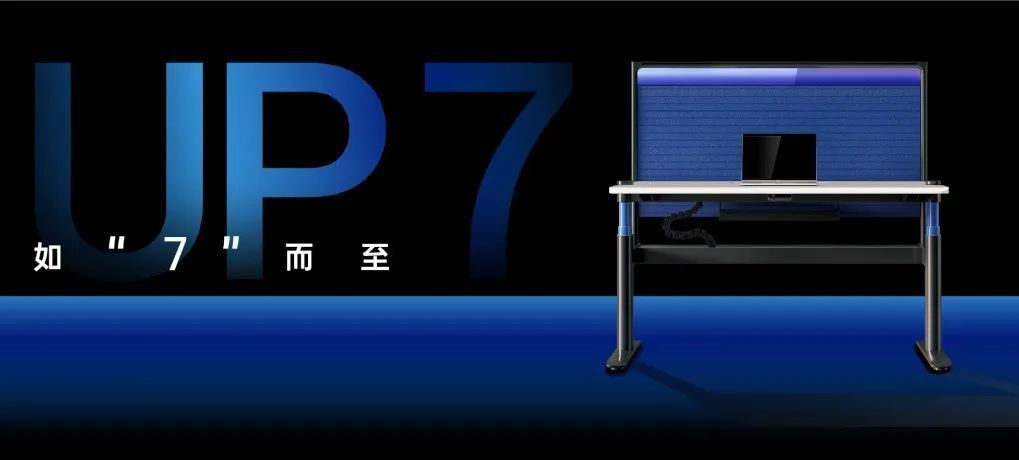
Against the backdrop of the pandemic's catalytic effect and ever-rising commercial rents, a growing number of companies are rethinking their office space performance KPIs. Alongside the development of “Internet Plus,” Yihang began exploring digital hardware as an entry point, bringing a new member to its family—the UP7 smart workstation. Through the interconnection of “people, objects, and space,” it elevates office space performance.
01 Technology Empowers Proactive Health
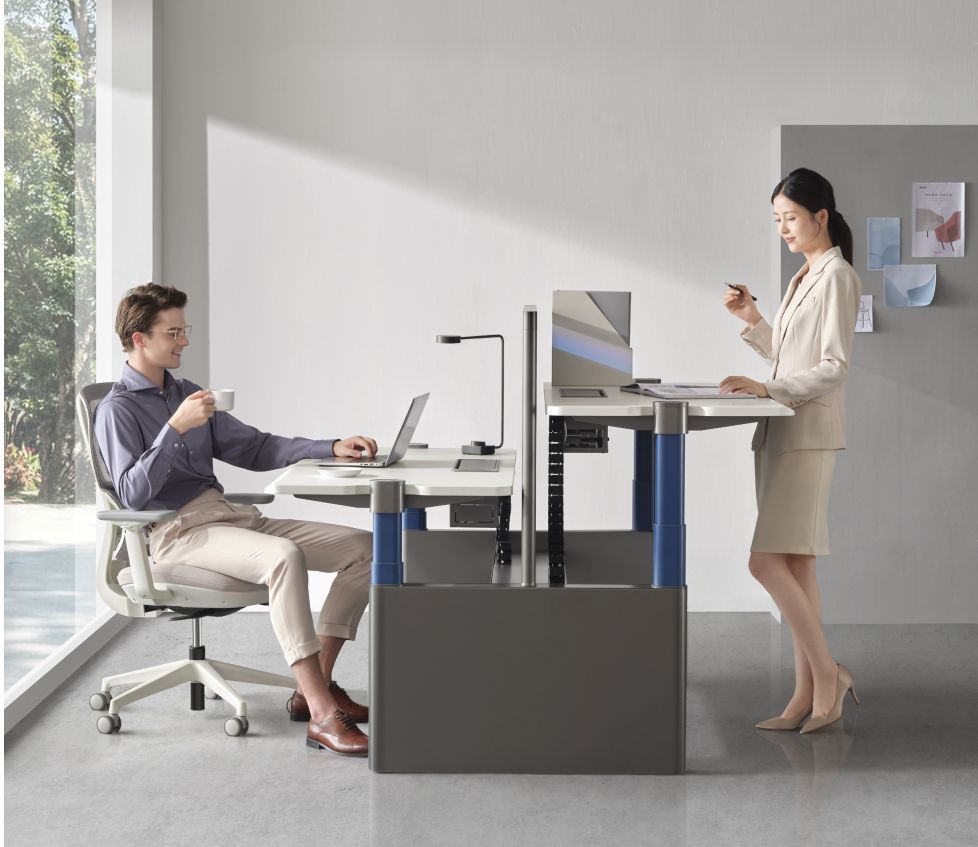
Height-adjustable desks have become a widely recognized health management solution for improving employee well-being, both in China and abroad. According to a research report by the Society for Human Resource Management, by 2017, 44% of companies in the United States were willing to provide standing desks.
In real office scenarios, however, people who sit for long hours focus more on their work than on their bodies, and being unable to consciously maintain a sit-stand alternating routine over the long term is a common problem. When users' own willpower cannot support their health needs, the intervention of technology becomes especially important.
- Smart Sensing
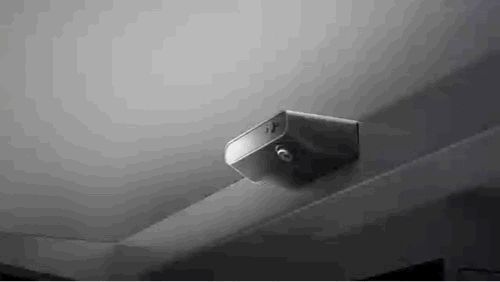
The sensor beneath the desktop of the UP7 smart workstation is its “smart brain.” It has three built-in sensing elements that judge the user's sit-stand behavior through large body movements, body temperature, and subtle movements while stationary. Thanks to its wider field of view and more refined sensing system, it avoids the weaknesses of conventional sensors, which cannot distinguish people from objects and are inaccurate when detecting stationary states.
- Sit-Stand Guidance
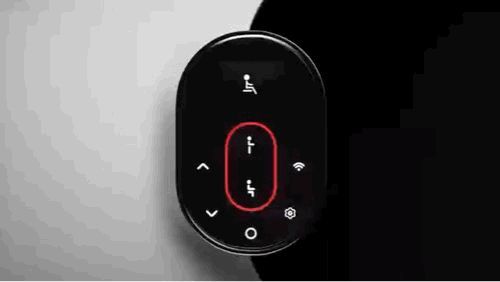
The UP7 smart workstation's playful motion-effect reminders
Based on the sensing results, the UP7 issues alerts through red and green light switching, playful dynamic effects, and a slight vibration of the handheld controller, reminding users to stand up.
Of course, if users get up and move around for a certain length of time before reaching their sedentary limit, the timer automatically restarts, so there is no disturbance once they return to their workstation and become immersed in focused work.
- Health Butler
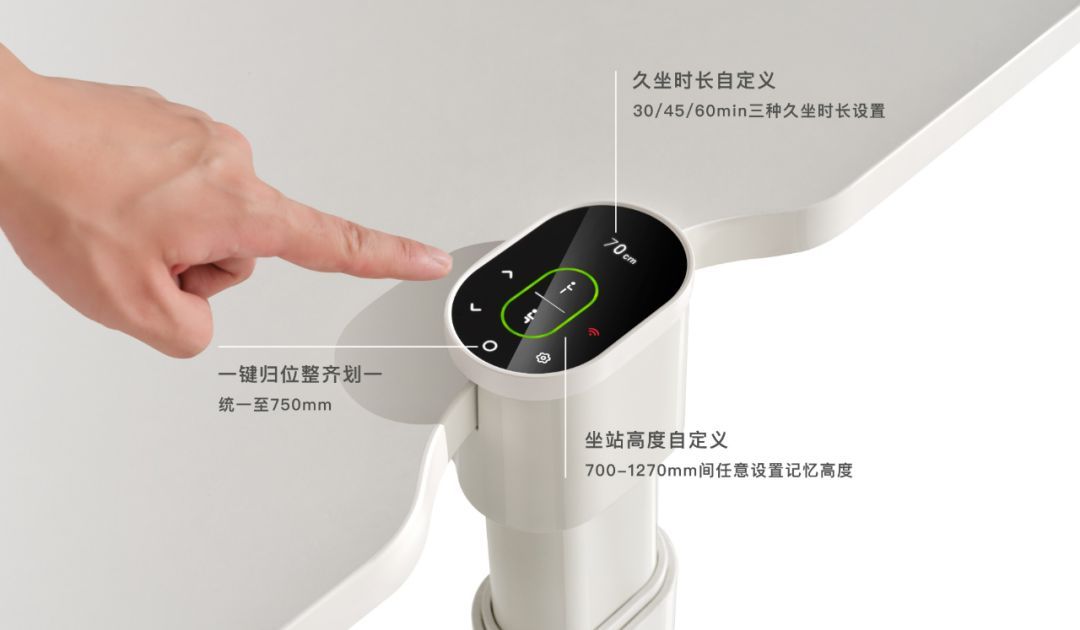
Beyond reminder methods that can be flexibly chosen according to personal preference, sitting and standing heights can be preset for each individual and reached with a single press of a shortcut button; sedentary duration is fully under your control, adjustable at will to 30, 45, or 60 minutes.
A smart workstation is like a health butler at your side, constantly watching over employees' physical condition and intervening with reminders at the right moment—effectively boosting employee happiness and office efficiency.
03 Data Visualization Optimizes Space Value
Statistics show that workstation utilization across industries rarely reaches 80%-100%, which shows that wasted workstations are a widespread problem.
Moreover, different departments have different needs for workstations. Resource allocation can allow a limited number of workstations to serve more employees—for example, Accenture has field-heavy staff share one workstation among every eight people on average—all of which requires solid data support. Collecting such statistics manually demands heavy manpower and is not very timely.
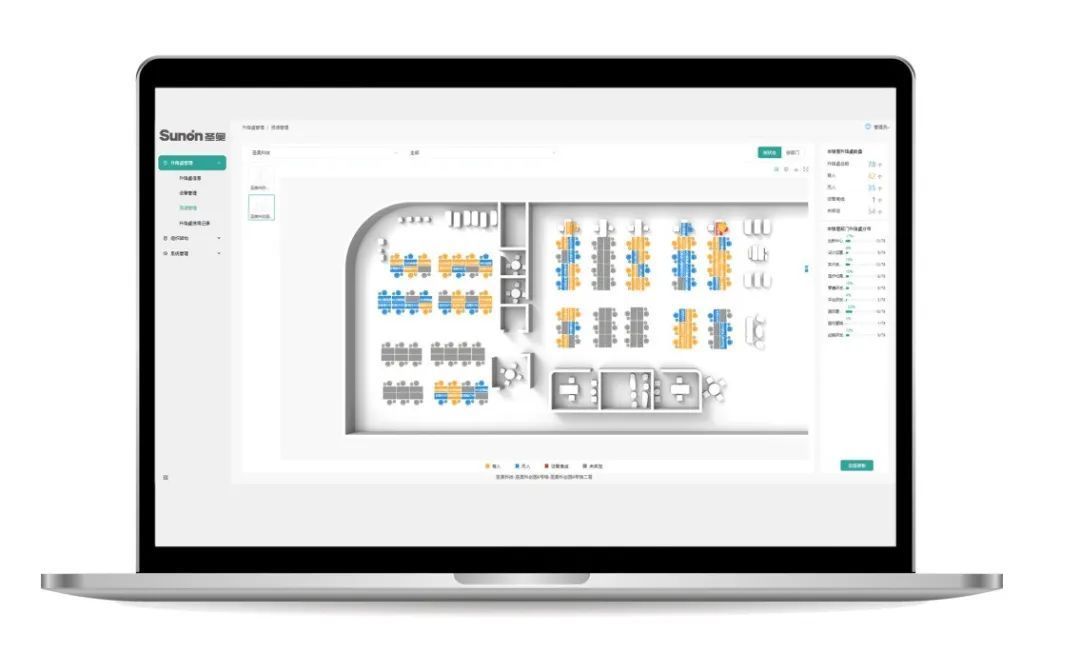
The workstation resource management interface of Yihang's UP7 smart workstation
The UP7 smart workstation uses LoRa IoT technology to connect workstation devices to the network, allowing the relevant data to be transmitted to a company's backend web portal. Companies simply log in to the web page to see workstation usage at a glance on a single screen, freeing up administrative staff and simplifying asset management—cutting costs, boosting efficiency, and raising office space performance KPIs across the board.
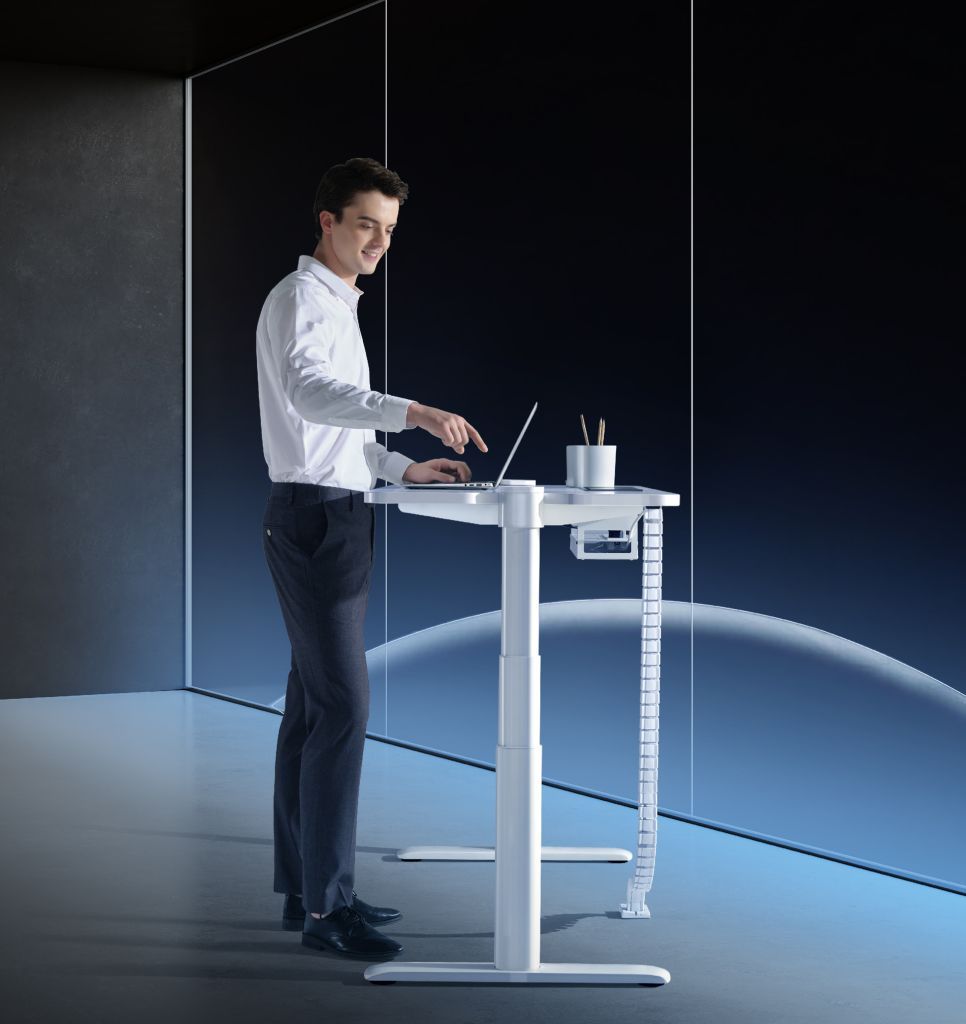
Records of workstation usage can reflect how workstations are used in different areas/departments. Based on the data, workstation distribution and space layout can be adjusted to maximize space value.
03 Panoramic Connectivity for the Future Office Ecosystem
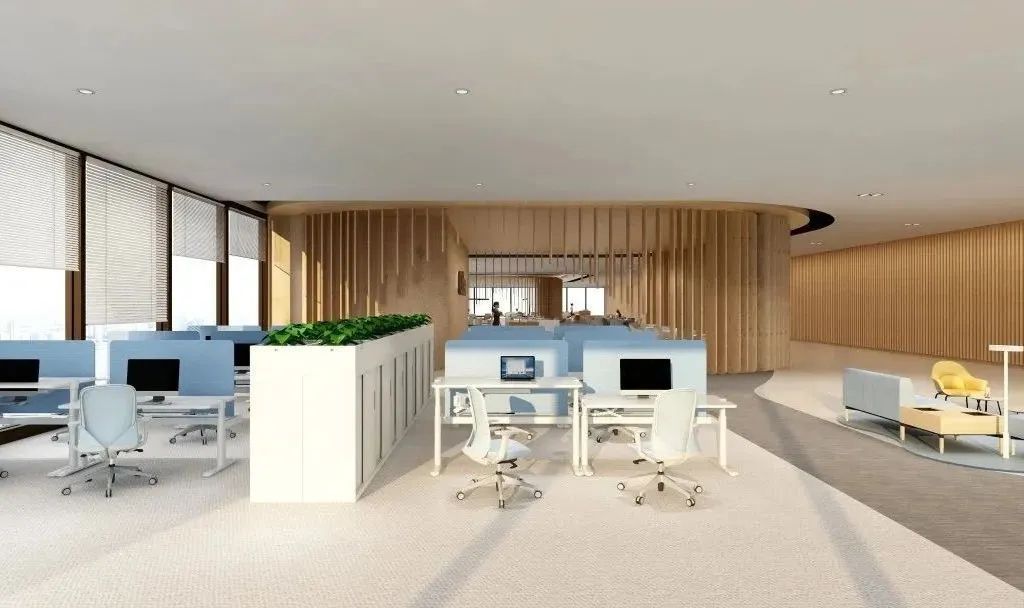
Future digital offices may achieve panoramic interconnection with the entire office ecosystem through technological upgrades and iteration. At present, Yihang's practice of using the UP7 smart workstation to improve office space performance is only the first step.
A smart workstation is no longer just a single desk. With technology integrated, future workstation management systems can open up more API ports and generate more comprehensive, multi-dimensional office data analysis reports, thereby adjusting ways of working, helping companies cut costs and increase efficiency, and transforming office space performance KPIs as a whole.
In the future, driven by technology, we can look forward to more and more cross-industry and data connections. Corporate space management will become smarter and simpler, and office work will become more convenient and comfortable.