
Shooting Chair & Office Chair
The requirements for office chairs in film and television shooting sites cover multiple aspects such as material, structure, supply, durability, fabric, color, and safety performance.
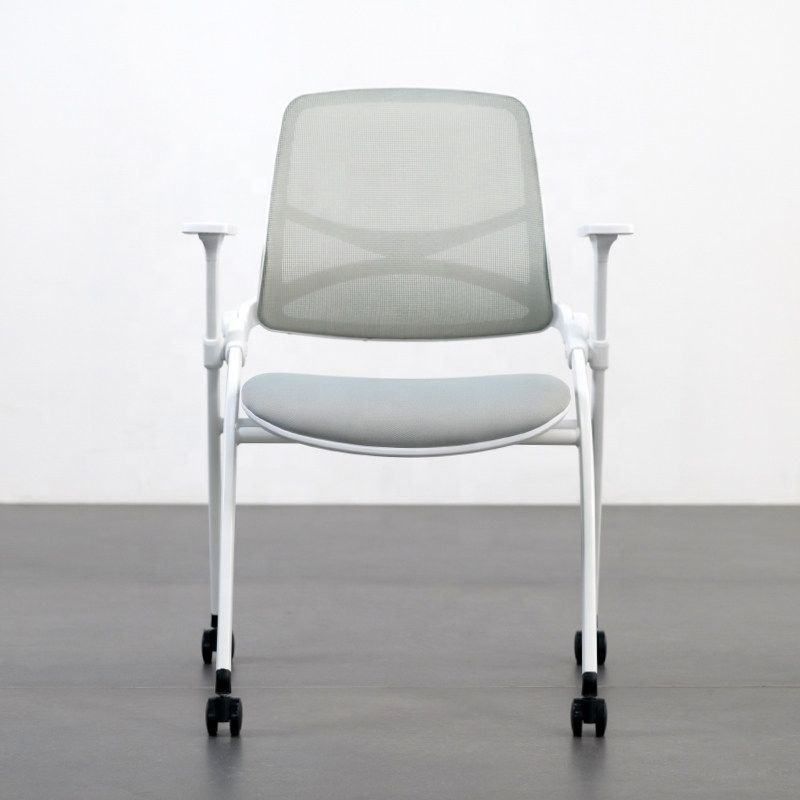
Material Details: In film and television shooting, the camera magnifies material details, so office chairs need to have a uniform surface texture, high color fidelity, and avoid reflections or color differences to ensure picture quality.
Structural Stability: During shooting, the position and angle of the chair need to be adjusted frequently, and it may even need to be moved quickly. Therefore, the casters, rotating shafts, and anti-tipping capabilities of the chair base are crucial. Suppliers will provide different grades and models according to the budget and scene style, ranging from lightweight folding models to more load-bearing multi-functional models to meet diverse needs.
Supply Stability: Film and television shooting schedules are strict, and chairs need to be delivered to the designated site on time and in the correct quantity. Mature suppliers will establish standardized warehousing and scheduling processes, maintain safety stock for commonly used models, and provide expedited handling solutions for special needs to ensure that the shooting schedule is not affected.
Durability: Office chairs used in shooting need to be moved and repositioned repeatedly. Suppliers will strengthen the connecting parts and backrest support structure to prevent looseness or abnormal noises during frequent use and extend the chair's service life.
Fabric Selection: Common fabrics include cotton and linen, mesh, and leather. Mesh has good breathability and is suitable for long-time recording, but it is more difficult to clean. Leather has a stable appearance and is easy to create a solemn atmosphere, but attention should be paid to reflection issues. Cotton and linen have a soft texture and are often used in art programs. Suppliers will provide detailed maintenance points for different materials to help the shooting team choose.
Color Matching: The color of the chair needs to be coordinated with the scene tone. Suppliers will provide color cards for sample selection and support small-batch custom colors to meet the director's overall requirements for the picture.
Safety Performance: The chair needs to meet basic ergonomic standards. The backrest tilt angle, lumbar support height, and seat cushion softness should adapt to users of different heights. Suppliers will provide adjustment function descriptions, such as the lifting range of the gas rod, the flipping angle of the armrests, and other parameters. If it involves high-speed movement or stunt shots, chairs with locking mechanisms will also be recommended to prevent accidental sliding.



