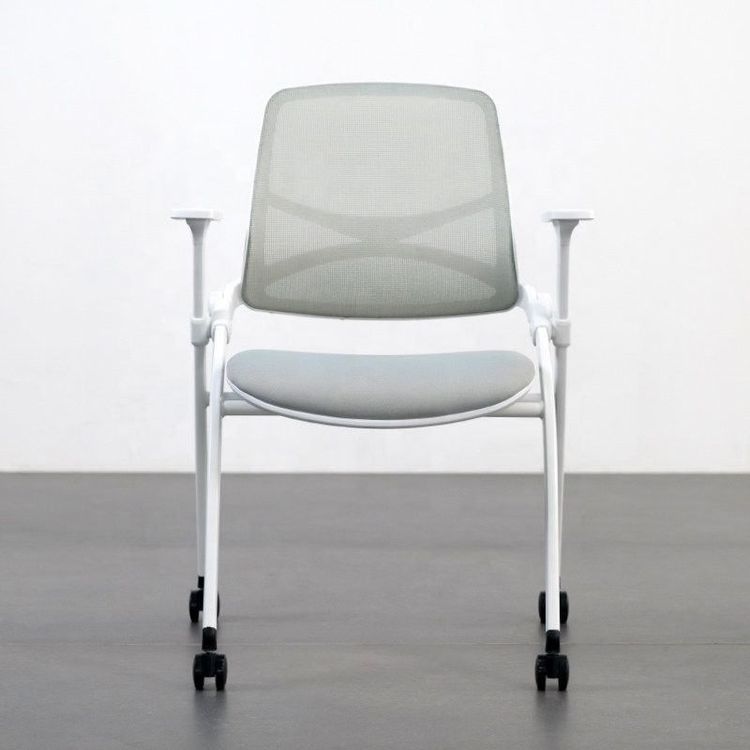
Reupholster Office Chair Leather
Reupholstering office chair leather requires selecting the appropriate method based on the extent of the damage, as detailed below:

Minor wear or stains: Gently wipe clean with a damp cloth. For stubborn stains, spray an appropriate amount of cleaner and then wipe with a damp cloth. Be cautious not to use overly harsh cleaners to avoid damaging the leather surface.
Small scratches or abrasions: Use a leather repair paste for restoration. Apply the paste evenly over the scratches or abrasions, smooth it out with a spatula, and allow it to dry for completion. This method is cost-effective, costing around 10 yuan to resolve.
Obvious cracks or peeling:
- If the area is small and the leather is not severely damaged, use neoprene glue for adhesion. First, clean the dust and debris from the peeling area, apply glue evenly to the back of the leather and the corresponding area on the chair, and precisely align and press when the glue is slightly dry and tacky. Then, apply pressure with a heavy object for a period to ensure a firm bond. Alternatively, transparent glue can be used for repair. Clean the surface of the office chair, apply the glue, place a heavy object on the glued leather to keep it flat, and wait a few minutes to ensure the glue dries thoroughly. The repair glue should closely match the color of the office chair.
- If there is minor peeling and abrasion, and the overall leather condition is still good, use a leather renovator. First, clean the leather surface, then evenly spray or apply the renovator according to the product instructions. Multiple applications may be needed to restore the leather's luster and softness while covering up peeling marks.
- For small damaged areas with peeling, use a leather repair paste. Choose a paste that closely matches the color of the chair's leather, clean the peeling area, apply the paste evenly, smooth it out with a spatula or finger to blend it with the surrounding leather, and sand and polish after drying for better adhesion.
- For small tears, use acrylic resin for adhesion and blow-dry with a hairdryer to promote bonding.
Large tears:
- Pre-treat the tear by using a utility knife to cut the frayed edges into a 45° bevel, ensuring a smooth edge. Then, clean the surface to remove any impurities. Use leather soft glue to repair the detached parts, ensuring the glue fully penetrates and bonds. If the crack is large, add a layer of non-woven fabric to reinforce the bond. Avoid using 502 glue to prevent the leather from hardening. Apply specialized edge oil in layers, using edge oil that matches the leather color. Carefully apply the first layer with a fine-tipped pen, ensuring full coverage of the damaged area. After applying each layer, use cold air to dry it. Immediately proceed with applying the second layer after the first layer is dry.
- If the tear is slightly larger, such as a small tear or hole, use a backing fabric patching method. Place a piece of non-woven fabric or denim underneath, apply leather glue, and press with a low-temperature iron. Finally, touch up the color.
Damaged area exceeding 5cm² or tears involving multiple layers: It is recommended to use the 'patch excavation method' for repair or contact a professional repair team for handling.
Large peeling area or severely aged leather: The leather needs to be replaced. First, measure the dimensions of the area to be replaced, purchase suitable leather material, carefully remove the old leather while preserving the fixing holes and method, then cover the new leather and install it using nails, clips, or specialized leather fixing tools in the original manner. Alternatively, directly replace the seat cover or the entire office chair.