Back to blog
Article
Reception Office Chair Production
Admin October 12, 2026
Reception office chair production involves three core areas: product classification, manufacturers, and market analysis.

I. Product Classification As specialized seating for receiving clients in office furniture, the materials and functional designs of reception chairs continue to evolve with market demand. The current mainstream classifications include wood and metal categories:
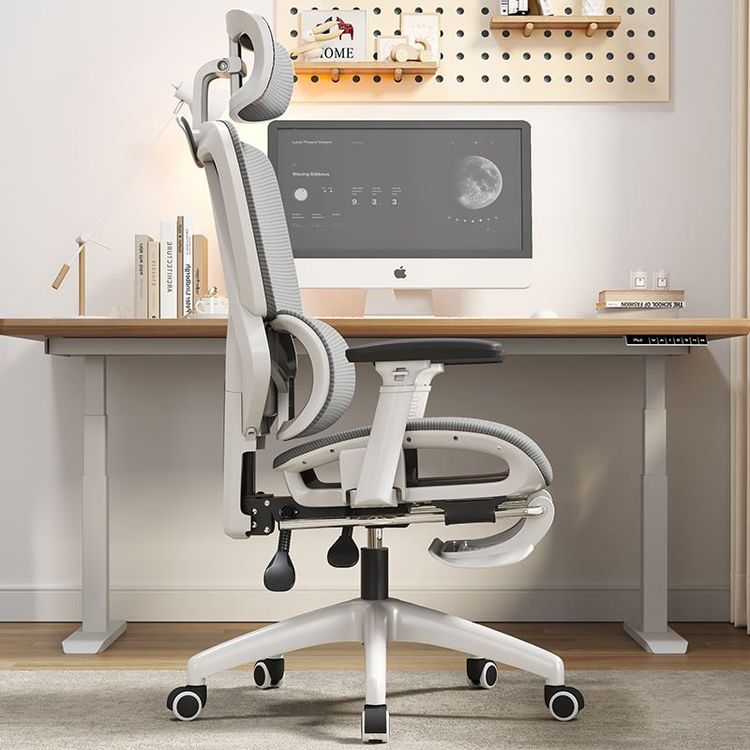
- Wooden Reception Chairs: Traditionally made from solid wood or composite wood, issues like susceptibility to moisture and deformation have driven structural optimizations, such as the use of moisture-resistant coatings and multi-layer board splicing techniques to enhance stability. Some high-end products incorporate ergonomic designs, such as curved backrests and adjustable armrests, balancing aesthetics with comfort.
- Metal Reception Chairs: Centered around metal frames, common structures include bow frames and star bases, emphasizing functionality and durability. For example, bow frame designs distribute pressure through mechanical optimization to improve load-bearing capacity; some products use breathable mesh fabrics or high-resilience foam cushions to accommodate prolonged use scenarios. Additionally, the application of lightweight aluminum alloy materials further expands applicability in mobile settings.
II. Manufacturers Domestic reception office chair manufacturers exhibit characteristics of regional concentration and scale differentiation:
- Leading Enterprises: Companies like Shuangpin Furniture, Hongqiao Furniture, and gavee focus on large-scale production and branded operations, with products covering mid-to-high-end markets and emphasizing design innovation and quality control.
- Regional Clusters: Industrial agglomeration areas have formed in Foshan, Guangdong; Bazhou, Hebei; and Anji, Zhejiang. For instance, Foshan Xialuotehao Furniture Co., Ltd. specializes in bow chair R&D, while Bazhou Xinbangda Furniture Factory captures the lower-end market with cost-effective products.
- Niche Segments: Some manufacturers focus on specific materials or functions, such as Anji Zherui Furniture Co., Ltd.'s deep expertise in ergonomic chairs and Yiwu Shouqun E-commerce Firm's emphasis on lightweight products for e-commerce channels.
III. Market Analysis The industry analysis framework incorporates SCP theory, Porter's Five Forces Model, and PEST theory, with key conclusions as follows:
- Supply-Demand Structure: Demand is driven by corporate office upgrades and public space construction, while supply features a格局 (pattern) of "leading enterprises dominating + small-to-medium manufacturers engaging in differentiated competition."
- Competitive Factors: Price competition is concentrated in the mid-to-low-end market, whereas the high-end market relies on design, material quality, and brand premium as core barriers.
- External Influences: Macroeconomic fluctuations affect corporate procurement budgets, shifting consumer preferences toward health-conscious products drive demand for ergonomic designs, and policy risks like stricter environmental standards compel production process improvements.