Quick Facts: The Right Desk Height and Angle Improve Productivity!
The height and angle of your desk are important factors affecting work efficiency. Working long hours at the wrong height and angle not only causes physical fatigue but also harms your health. This article explains in detail how desk height and angle affect productivity and offers some effective solutions.
How desk height affects productivity
A desk that is too low or too high both hurt productivity. If the desk is too low, the leg muscles stay contracted for long periods, impairing blood circulation and causing leg fatigue and discomfort. A desk that is too low also puts excessive pressure on the cervical and lumbar spine, increasing the risk of neck and lower back problems. Conversely, if the desk is too high, the arms are raised, adding strain to the shoulder and neck muscles and leading to problems such as shoulder and neck pain and numb arms.
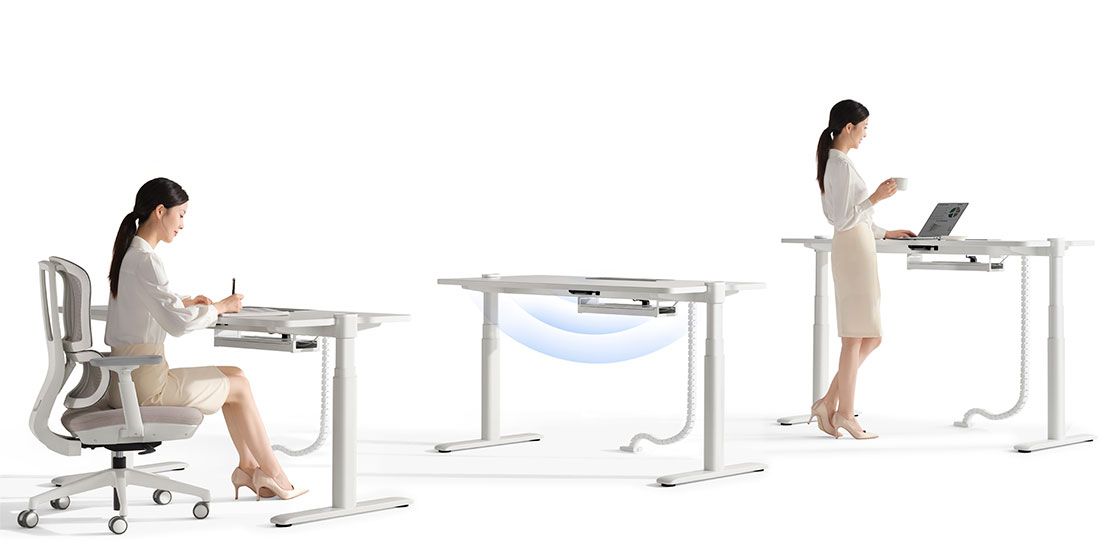
To improve productivity, adjust your desk to a suitable height. Generally speaking, a proper desk height should let the body stay upright with the arms hanging naturally and the feet flat on the floor. Because users differ in height, companies can choose height-adjustable desks so each person can adjust to their own height and habits.
How desk angle affects productivity
Beyond height, the angle of the desk also affects productivity. The right angle reduces the physical fatigue and discomfort caused by long working hours. Generally, it is recommended to set the desk angle level with your line of sight or slightly lower. This eases the load on the neck and shoulders and prevents the fatigue and discomfort caused by prolonged bending of the cervical and lumbar spine.
The right angle also improves productivity. For example, setting the desktop level with your line of sight or slightly lower makes it easier to read documents and view the computer screen, reduces the degree of bending in the neck and lower back, and boosts work efficiency.
TIPS: Solutions for improving productivity

Adjust the desk height: Set the desk height according to your own height and habits so the body stays upright, the arms hang naturally, and the feet rest flat on the floor.
Adjust the desk angle: Set the desk angle level with your line of sight or slightly lower to ease the load on the neck and shoulders and improve productivity.
Add green plants: Placing some plants on your desk relieves eye strain and mental stress while increasing the oxygen content of the office, which helps improve productivity.
Change how you work: Alternate between sitting and standing postures and avoid holding one position for too long to reduce physical fatigue and discomfort.
Take regular breaks: Pause briefly at intervals—close your eyes, stretch, gaze into the distance—to relieve fatigue and improve productivity.
In short, desk height and angle are important factors affecting work efficiency. Adjusting them and taking appropriate measures to relieve eye strain, mental stress, and physical fatigue can raise productivity. Regular breaks and varying how you work are also effective ways to avoid fatigue from long working hours.