
Pneumatic Pump Office Chair
A pneumatic pump office chair is a chair that adjusts its seat height through the movement of an internal cylinder piston rod, commonly found in office settings. However, attention should be paid to safety risks and key points for selection and maintenance.
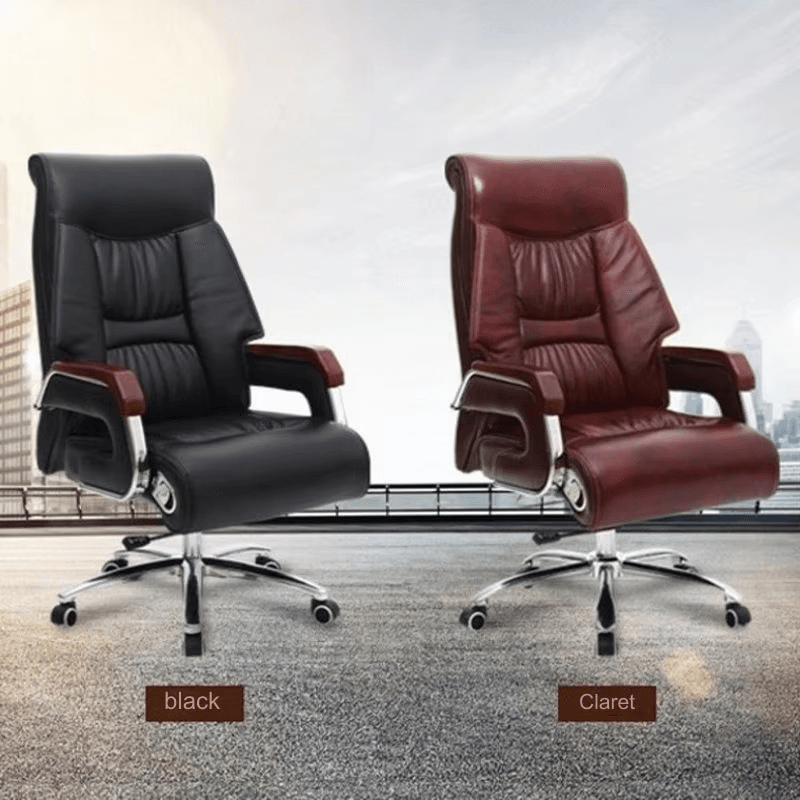
Working Principle of Pneumatic Pump Office Chairs
The core component of a pneumatic pump office chair is the internal cylinder, which is typically filled with inert gases such as high-purity nitrogen. By twisting the handle at the bottom of the chair, high-pressure nitrogen can be compressed or released, driving the movement of the piston rod inside the cylinder and thus adjusting the seat height. Some advanced designs also support adjusting the tightness of the backrest recline by rotating a knob on the cylinder, enhancing user comfort.
Material and Brand Differences in Pneumatic Pumps
Different brands have varying choices when it comes to pneumatic pumps. For example, brands like Guteng Goodtone, regardless of product price, all use KGS's four-stage pneumatic pumps, which generally offer higher safety and stability. Four-stage pneumatic pumps, through more precise structural design, can withstand greater pressure changes and reduce the risk of gas leakage or explosion.
Safety Risks and Accident Causes
Poor-quality pneumatic pump office chairs pose serious safety hazards. If the pressure rod uses inferior materials or is filled with insufficiently pure gas, the pressure inside the rod may suddenly increase after frequent lifting, high-temperature environments, or long-term use, leading to an explosion. Such accidents have caused multiple severe injuries, such as flying metal fragments and sudden seat collapse. The main risk factors include:
- Inferior materials: Insufficient wall thickness or low metal strength of the pressure rod, unable to withstand high pressure;
- Insufficient gas purity: Filling with air or other non-inert gases, which can easily oxidize and corrode the interior of the cylinder;
- Improper use: Frequent adjustment of lifting or violent operation, accelerating component wear.
Selection and Maintenance Recommendations
To reduce safety risks, consumers should pay attention to the following points:
- Choose reputable brands: Prioritize purchasing products that have passed safety certifications (such as BIFMA, SGS) and avoid buying unbranded or low-priced poor-quality chairs;
- Check pneumatic pump labels: Regular products will mark the grade (such as three-stage, four-stage) and safety certification information on the pressure rod;
- Avoid frequent adjustments: Reduce unnecessary lifting operations to extend the lifespan of the pneumatic pump;
- Regular inspection and maintenance: Check the pressure rod every six months for air leakage, deformation, or abnormal noises. If any issues are found, stop using it immediately and contact after-sales service.
By making reasonable selections and using them correctly, pneumatic pump office chairs can provide a safe and comfortable office experience, but be vigilant against potential risks posed by poor-quality products.



