
Plastic Seat Office Chair
A plastic seat office chair is a type of chair designed for office settings, made from thermoplastic materials for the seat and molded through injection molding. It is lightweight, durable, easy to clean, and comes in a variety of designs with a wide price range.
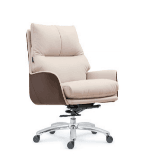
Material and Process Characteristics
The seat of a plastic seat office chair is typically made from thermoplastic materials such as polypropylene or polyethylene. Through injection molding, heated plastic pellets are injected into a metal mold to form a “single-piece” structure. This process results in a seamless seat with high overall strength and high production efficiency, making it suitable for large-scale manufacturing. The properties of thermoplastics endow the seat with characteristics such as being lightweight, sturdy, and weather-resistant, while its smooth surface makes it less prone to dust accumulation and easy to clean. Additionally, plastic seats are often designed to be stackable, saving storage space and allowing for flexible use in office settings.
Functional and Design Diversity
To meet various office needs, plastic seat office chairs have evolved into multiple design types:
- Ergonomic chairs: The seat and backrest conform to the human body’s curves, distributing pressure and enhancing comfort during prolonged sitting.
- Height-adjustable chairs: Equipped with gas lifts or mechanical structures, these chairs allow for adjustment of the seat height to accommodate different desk heights.
- Reclining chairs: The backrest can recline to a near-horizontal position, providing a short rest function suitable for lunch breaks or meeting scenarios.
These designs further expand functionality through modular combinations, such as detachable armrests and adjustable headrests, adapting to diverse office environments.
Price Range and Market Positioning
The price of plastic seat office chairs is influenced by their functionality, materials, and brand, covering a wide range from tens to hundreds of yuan. Basic models typically offer only essential seating functions and are priced lower, while those equipped with ergonomic designs, height-adjustment mechanisms, or premium materials (such as reinforced plastics or metal frames) command higher prices. This price stratification allows them to meet the needs of budget-conscious users while also providing options for businesses seeking quality.
Historical and Industrial Significance
The design of plastic seats dates back to the late 1950s when designers utilized the plasticity of thermoplastics to create “single-piece” structures through injection molding, breaking away from the manufacturing limitations of traditional wooden or metal seats. This innovation not only reduced production costs but also promoted the standardization and modularization of office chairs, becoming an important case study in modern industrial design.



