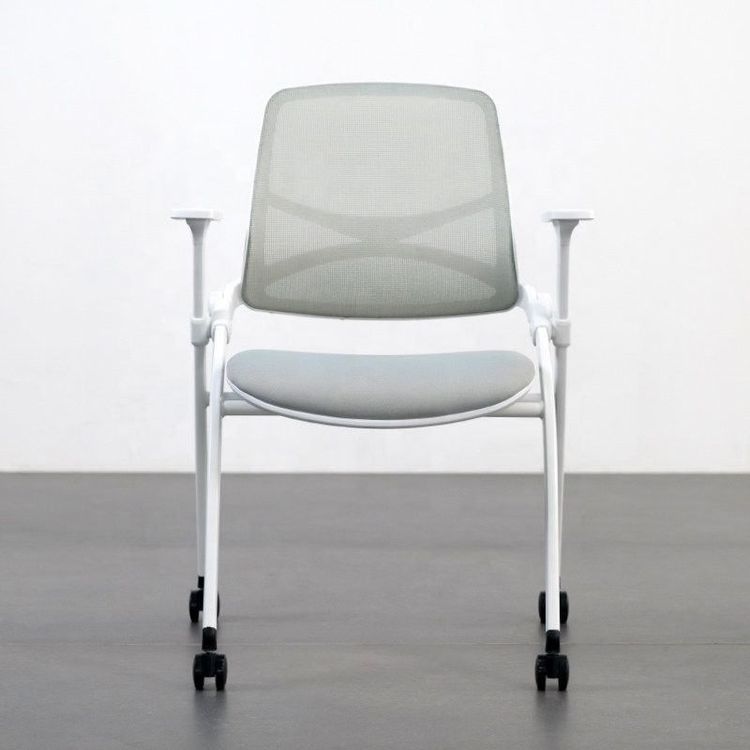
Old-Style Office Chair
Old-style office chairs offer customizability, a wide range of brands, and diverse styles and material options. Here is a detailed introduction to old-style office chairs:

Customizability: Some old-style office chair products support on-demand customization, meaning consumers can communicate with merchants to personalize their chairs according to specific needs such as size, color, and functionality. This customization service better meets the demands of different usage scenarios and user preferences, enhancing the user experience. However, whether customization is supported and the scope and conditions of customization should be based on the information provided by the merchant.
Brand Selection: There are multiple brands available in the old-style office chair market, such as Qixinmei, Xiaolin Technology, and Haihong. These brands have distinct characteristics in terms of product quality, design style, and after-sales service. Consumers can compare the advantages of different brands based on their budget and needs to choose the most suitable product.
Diverse Styles: Old-style office chairs come in a variety of styles, including modern minimalist, Chinese traditional, and light luxury. The modern minimalist style emphasizes clean lines and practical functionality, suitable for users seeking a simple and efficient office environment. The Chinese traditional style incorporates traditional elements, showcasing a unique cultural charm, suitable for places that appreciate traditional culture or need to create a specific cultural atmosphere. The light luxury style emphasizes the combination of quality and design, creating an elegant yet fashionable office atmosphere through exquisite details and high-end materials.
Rich Materials: Old-style office chairs also offer a wide range of material options, including artificial wood, aluminum alloy, and stainless steel. Artificial wood is cost-effective and easy to process, suitable for users with a limited budget. Aluminum alloy is lightweight and durable, with good corrosion resistance, suitable for scenarios that require frequent movement or have high material requirements. Stainless steel is more robust and can withstand greater weight, suitable for long-term use or scenarios that demand high stability.