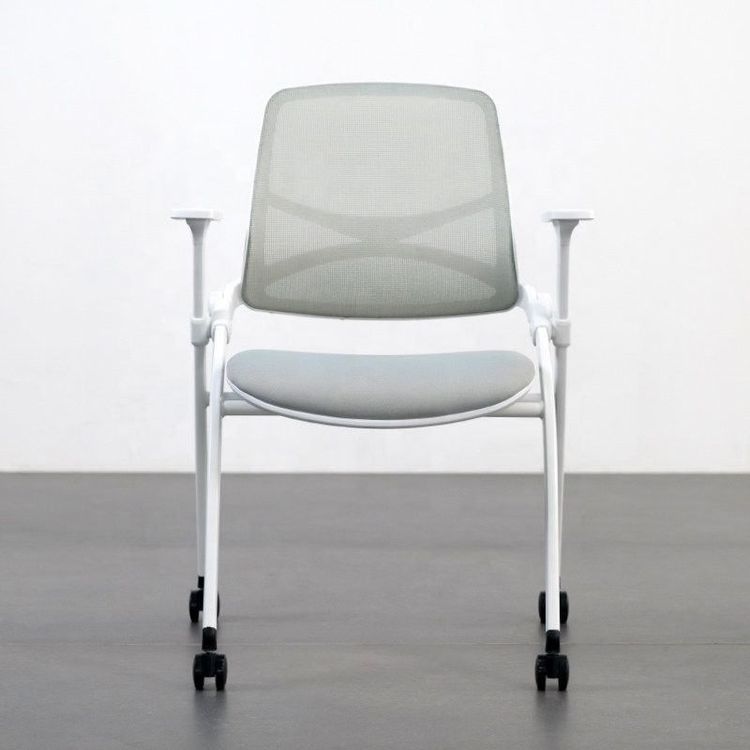
Office Chair Woven Rattan
Office chair woven rattan is not a mainstream type of office furniture in the traditional sense. Its application scenarios and design characteristics lean more towards the leisure sector, and currently, there is a lack of dedicated design specifications for office scenarios. The following analysis is conducted from three dimensions: materials, craftsmanship, and application scenarios.

Natural rattan is the core material, but its durability is limited by the environment
The primary material for office chair woven rattan is natural rattan, including bamboo rattan, white rattan, red rattan, etc. Among them, Indonesian agate rattan is regarded as a superior material due to its fine fibers and excellent toughness. These materials possess natural breathability and skin-friendliness, meeting the basic requirements of ergonomics for seat comfort. However, natural rattan is sensitive to environmental humidity. Prolonged exposure to dry or humid conditions can lead to cracking and deformation. Additionally, its resistance to ultraviolet rays is weak, necessitating mold-proof treatment for outdoor use. Modern techniques, such as high-temperature sterilization and polyester oil spraying, have enhanced the durability of rattan, but these improvements are primarily aimed at leisure scenarios and do not fully address the wear and tear caused by prolonged use and frequent movement in office settings.
Hand-woven craftsmanship preserves natural beauty but lacks standardized design
The core craftsmanship of woven rattan furniture is hand-weaving, a traditional technique that creates unique textures and elastic structures. However, it suffers from low production efficiency and difficulty in controlling dimensional accuracy. Office chairs need to conform to ergonomic standards, with parameters such as seat height, tilt angle, and armrest spacing strictly matching the user's physique. Hand-woven rattan chairs find it challenging to meet the standardized requirements of industrial production. Furthermore, the elastic modulus of rattan is lower than that of metal or engineering plastics, and long-term weight-bearing may cause the seat to sag, affecting office efficiency.
Application scenarios are primarily leisure-oriented, with insufficient adaptability to office settings
Woven rattan furniture belongs to the branch of leisure furniture and is commonly found in informal settings such as gardens and cafes. Its design philosophy emphasizes visual aesthetics and the creation of a natural ambiance, rather than prioritizing functionality. Office scenarios demand seats with adjustability, lumbar support, and ease of movement. However, existing woven rattan chairs mostly adopt fixed structures, lacking additional features such as headrests and lumbar supports. Moreover, they are generally heavier than metal-framed office chairs, making space rearrangement difficult. Some high-end products attempt to combine metal frames with woven rattan seats, but these hybrid designs remain primarily decorative and have not formed a mature line of office chairs.
Summary: Currently, there is a lack of woven rattan chairs specifically designed for office scenarios on the market. Their material characteristics and craftsmanship limitations make them more suitable as supplementary seating in leisure areas. If rattan elements are to be used in office environments, it is recommended to choose improved products that combine woven rattan finishes with metal/plastic frames or achieve a balance between aesthetics and functionality through customized designs.