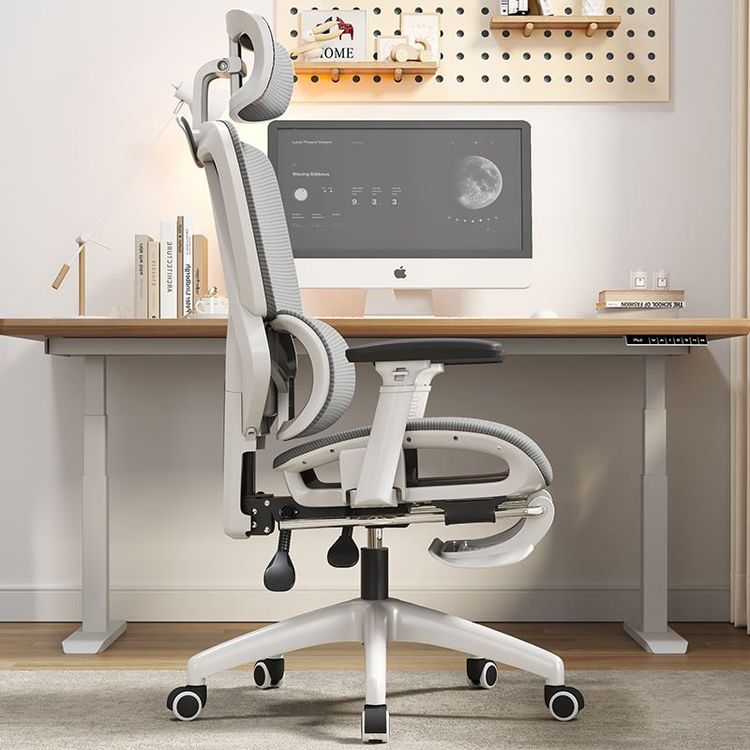
Office Chair Whitening
The causes and treatment methods for whitening of office chairs need to be distinguished based on the material, as follows:

Plastic office chairs often whiten due to prolonged exposure to wind, sun, or ultraviolet (UV) radiation. The oily components on the plastic surface gradually evaporate under UV light, causing the material to lose its luster and appear whitened and aged. To treat this, use a blowtorch or spray lamp to evenly heat the surface, promoting the re-emergence of deep-seated oil to the surface and restoring its luster. It is crucial to strictly control the heat to avoid local overheating that could deform or burn the plastic. It is recommended to maintain a distance of about 10-15 centimeters between the flame and the surface, heating evenly with slow movements.
Silicone office chairs usually whiten due to aging or limescale buildup. A humid environment or prolonged contact with sweat can accelerate the oxidation of the silicone surface, forming a white powder; limescale may remain if the chair is not thoroughly dried after cleaning. Treatment involves two steps: first, gently wipe the surface powder with a damp cloth to remove easily detachable parts; for stubborn residues, use a 1:10 solution of baking soda and water with a soft-bristled brush, or soak a nano sponge in 75% medical alcohol for cleaning. After treatment, it is recommended to apply baby lotion, as its oily components can form a protective film on the silicone surface, slowing down the oxidation process and reducing limescale adhesion.
Wooden office chairs may whiten due to multiple factors: the extraction of wood components (such as resins and tannins) to the surface with humidity changes; the swelling or shrinking of wood cell walls due to environmental humidity fluctuations, damaging the surface paint film; UV radiation accelerating the aging and whitening of the paint film; or the use of alkaline cleaners damaging the paint film structure. Treatment should be adjusted based on the specific cause: control the ambient humidity between 40%-60% to avoid drastic moisture absorption or loss by the wood; regularly clean sweat, food residues, and other contaminants with a slightly damp cloth to prevent surface corrosion; avoid using ammonia-containing or strongly alkaline cleaners, opting instead for neutral wood cleaners; if the paint film is severely whitened, contact a professional for re-sanding and repainting. For daily maintenance, regularly apply wood wax oil, as its natural wax can penetrate the wood fibers, forming a breathable protective layer while enhancing the surface luster.