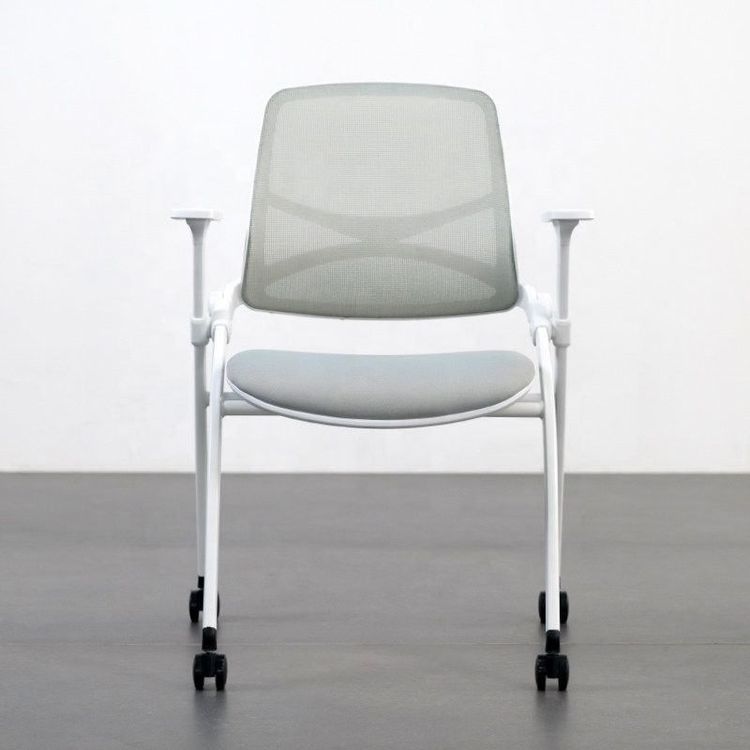
Office Chair Water Stain
To handle water stains on office chairs, refer to the following scientifically rigorous methods and steps:

1. Comprehensive Vacuuming Pre-treatment
Use a vacuum cleaner to thoroughly vacuum the office chair, focusing on cleaning dust and particulate matter from the surface and crevices. This step prevents secondary contamination from dust particles mixing with water stains during subsequent cleaning and creates conditions for the cleaning agent to penetrate the fibers. It is recommended to choose a vacuum cleaner with a soft-bristle brush head to avoid scratching the chair's surface material.
2. Cleaning Agent Spraying and Penetration
Dilute a specialized cleaning agent in a 1:10 ratio and pour it into a spray bottle, or directly use a tank device with the cleaning agent to evenly spray the water-stained area and a 10cm surrounding range. The surfactants in the cleaning agent can decompose mineral deposits (such as calcium and magnesium ions) and organic stains in the water stains. Key Point: Allow the cleaning agent to remain for 5-8 minutes to enable the fibers to fully absorb and break down the stains, but avoid complete drying, which can cause reverse seepage.
3. High-Temperature Extraction Treatment
Alternately use a sauna machine (steam temperature approximately 120°C) and a high-temperature cleaning machine (water temperature 80-90°C) for extraction. Steam can soften stubborn water stains and sterilize, while high-temperature water flow can thoroughly flush out deep-seated dirt in the fibers. Operating Standards: After each extraction, use a water extractor to simultaneously remove sewage to prevent new water marks from forming due to cleaning agent residue.
4. Thorough Drying and Moisture Prevention
After cleaning, use a water extractor to perform a secondary water extraction on the chair's surface to ensure residual moisture is below 5%. Then, place the office chair in a well-ventilated environment (avoid direct sunlight) and use an industrial fan to accelerate air circulation. The drying time should be controlled within 4-6 hours. Important Note: A chair surface that is not completely dry is prone to mold growth, leading to odors and material aging.
5. Slightly Damp Wiping Maintenance
For daily cleaning, wring the cloth to a slightly damp state (standard: no dripping water) and wipe in one direction along the fiber texture. If local water stains are found, immediately press and absorb with a dry cloth. Do not repeatedly rub to prevent the stain from spreading. For genuine or faux leather materials, use a specialized leather cleaning agent with a soft cloth for treatment.
Prevention Recommendations:
- Avoid placing water-containing containers directly on the office chair; use a coaster instead.
- Regularly (every 3 months) conduct professional cleaning and maintenance.
- During the rainy season, place moisture-absorbing packs to reduce environmental humidity.
Through a systematic cleaning process, water stains can be effectively removed, and the original texture of the office chair can be restored, while extending its service life. If water stains have penetrated the filling material, causing odors, contact a professional agency for deep disassembly and cleaning.