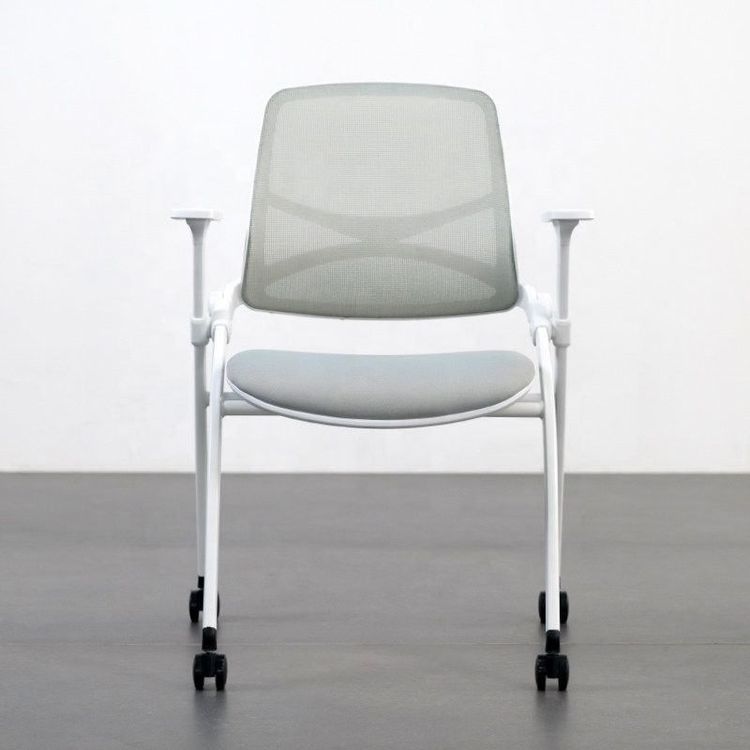
Office Chair Too Noisy
To solve the problem of a noisy office chair, the following measures can be taken:

Replace the Chair
If the chair has been used for a long time or shows significant wear (such as rusted metal parts or broken plastic components), directly replacing it with a new, reliable, and structurally sound chair is the fundamental solution. Poor-quality or aging chairs often have large gaps between components and loose connections, which can easily generate noise due to friction or collision. A new chair can significantly improve such issues.Lubrication
Lubricating the metal connection parts of the chair (such as the swivel, slide rails, and lifting rod) is an effective way to quickly reduce noise.
- Temporary Solution: Apply a small amount of cooking oil evenly to the noisy parts, avoiding excessive dripping that could contaminate the environment.
- Long-term Solution: Use professional lubricants (such as WD-40 or silicone-based lubricants), which have strong penetration and long-lasting adhesion, reducing metal friction sounds and not easily attracting dust.
Note: Clean the surface of the components before lubrication to avoid accelerated wear caused by oil mixed with dust.
Check and Tighten Screws
Loose screws are a common source of noise in chairs. Regularly check all screws (especially those connecting the backrest, armrests, and base). Use a screwdriver or wrench to tighten them one by one. If a screw is stripped or damaged, replace it with a matching part. For loose plastic clips, try using hot glue or special plastic adhesive for reinforcement.Adjust the Chair Structure
Some chairs support fine-tuning of components (such as the backrest tilt angle and armrest height). Adjust to reduce friction or gaps between components:
- If the connection between the backrest and seat cushion is loose, tighten the adjustment screws or add rubber gaskets;
- If the armrests wobble, check their fixation method with the seat cushion and add gaskets or replace the fixing parts if necessary.
- Replace Casters or Wheels
- Silent PU Casters: Replace the original hard casters with PU casters, which have good elasticity and low friction noise with the floor, suitable for tile or wooden floors.
- Soft TPE Wheels: If the original wheels scratch the floor and make a lot of noise, TPE wheels have excellent elasticity, leave no marks, roll smoothly, and are silent. They are easy to install and fit most office chair bases.
Add Paper Gaskets
Insert thin paper gaskets between the holes of metal connectors (such as the legs and base of the chair) to reduce metal collision sounds when components wobble. This method is suitable for situations where there are still gaps after tightening the screws. The thickness of the gaskets should be adjusted according to the size of the gaps.Regular Maintenance
Regularly clean the chair (especially the slide rails, swivels, etc.) to prevent dust, hair, and other debris from entering the gaps between components, causing wear or abnormal noise. Use a soft brush or vacuum cleaner for cleaning, avoiding the use of corrosive cleaners.