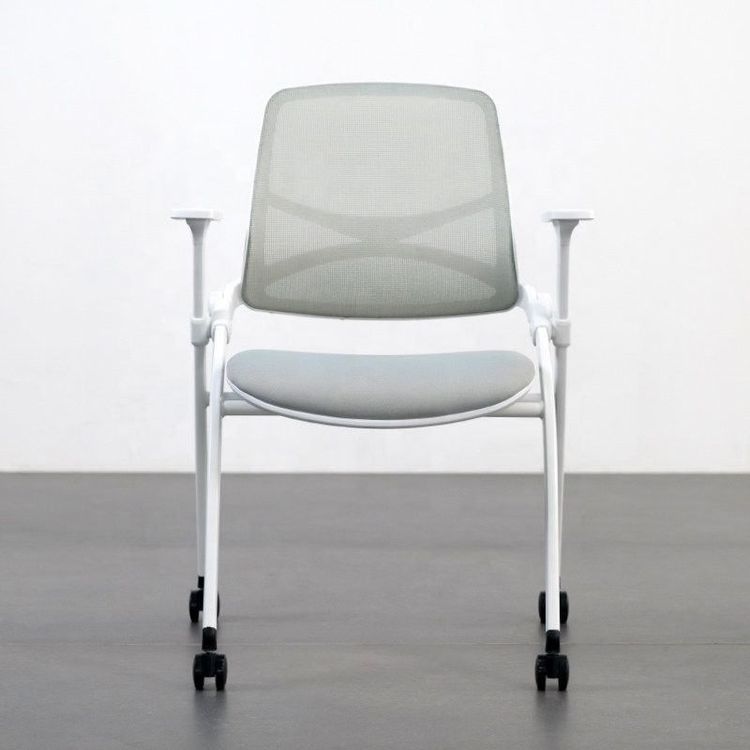
Office Chair 'Tight' Translation
When an office chair is described as 'tight', it generally means that its structural connections are tight, the stability of its components is high, and it can provide necessary support. However, it is important to avoid excessive tightness that may affect comfort.

Structural Stability as the Core Feature of 'Tight'
The 'tightness' of an office chair is first reflected in the connection of its components, including the fixing methods of the chair legs to the seat surface and backrest, as well as the installation status of the armrests (if any). This tight connection ensures that the chair does not wobble, make unusual noises, or loosen when bearing weight or moving. For example, if there is a gap at the connection between the five-star base and the gas lift, it may cause the chair to tilt; if the hinge between the backrest and the seat surface is loose, it will affect sitting posture support. Tight connections are the foundation of the chair's durability and safety, especially suitable for office or study scenarios that require long-term concentration.
Balancing Support and Comfort
Another meaning of 'tight' is that the chair can provide moderate support. For example, if the elastic structure of the backrest is reasonably designed, it can fit the human body's curves within a tight range and disperse spinal pressure; if the filling of the seat surface has an appropriate density, it can maintain shape stability while avoiding sinking due to excessive softness. However, it should be noted that excessive tightness may backfire: if the seat filling is too hard, it will reduce blood circulation in the buttocks and legs, causing fatigue; if the backrest is too tight, it may restrict upper body movement and increase muscle tension. Therefore, high-quality office chairs usually achieve a dynamic balance between 'tightness' and 'comfort' through adjustment mechanisms (such as tilt angle and lumbar support position).
Suitable Scenarios and Selection Suggestions
For users who need a high degree of concentration or frequently adjust their sitting posture (such as programmers and designers), choosing an office chair with tight structure and rich adjustment functions is more appropriate, as it can reduce distractions caused by chair wobbling. For positions that require long periods of sitting still (such as customer service representatives and clerks), it is necessary to prioritize testing the softness and hardness of the seat surface and backrest to avoid discomfort caused by excessive tightness. When purchasing, you can test the stability of the chair by shaking it and try sitting and adjusting various functions to ensure that the 'tight' feel meets your personal needs.