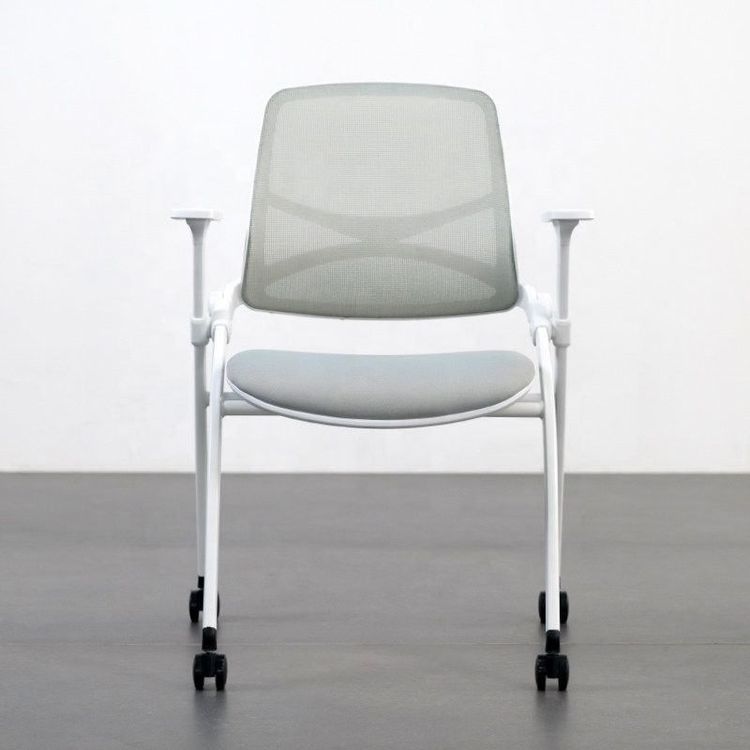
Selecting Office Swivel Chairs
When selecting office swivel chairs, it is essential to consider six key dimensions: core components, ergonomic design, safety and durability, materials, adjustability features, and additional functions.

1. Core Components and Functions
The core components of an office swivel chair include the seat cushion, backrest, five-star base, casters, and pneumatic height adjustment system. The pneumatic rod is crucial for height adjustment and must be certified by SGS or TUV Level 4 to prevent explosion risks due to poor quality. The five-star base and casters should be made of high-strength materials (such as nylon or steel) to ensure smooth movement and stable weight-bearing. The pneumatic height adjustment system should support stepless adjustment to meet the needs of users of different heights.
2. Ergonomic Design
Ergonomic design directly impacts comfort and health. Prioritize chairs with adjustable lumbar support, armrests, and headrests:
- Lumbar Support: A split dynamic lumbar support automatically adjusts the support point and intensity as you lean forward or backward, reducing lumbar pressure.
- Headrest: The depth should be 128 millimeters or more to fully support the cervical spine and prevent neck suspension.
- Seat Depth Adjustment: Ensures even support for the thighs without pressure on the back of the knees, suitable for users with different leg lengths.
- Armrests: Should support height, angle, and forward-backward adjustments to keep elbows naturally relaxed during typing, reading, or reclining.
3. Safety and Durability
Safety is the top priority. The pneumatic rod must be certified by SGS or TUV Level 4, and the frame material should withstand over 150 kilograms of weight to prevent loosening or noise after long-term use. Additionally, the materials of the five-star base and casters should be wear-resistant and slip-resistant to ensure stability during movement.
4. Material Selection
The seat material directly affects the tactile experience:
- Mesh Fabric: Highly elastic and breathable, suitable for long-term use, quickly dissipating heat and moisture.
- Foam Seat Cushion: Choose high-density, quick-rebound foam that recovers within three seconds after pressing to prevent sagging after prolonged sitting.
5. Adjustability Features
In addition to basic height adjustment, prioritize chairs with fine adjustments for lumbar support, headrest, and armrests:
- Lumbar-Back Zoning: Some chairs feature 8 zones for the lumbar and back areas, providing more precise support for the lumbar and back curves.
- Recline Angle: Multiple adjustments (e.g., 90°-135°) cater to different scenarios for work and rest.
- Damping Force: The recline damping can be adjusted to prevent过快 or slow rebound due to weight differences.
6. Additional Functions
Some high-end chairs integrate intelligent features such as pressure sensors, health monitoring, and APP control, allowing real-time monitoring of sitting posture and reminders for adjustments. Some products also feature lumbar stretching functions, using mechanical structures to assist in relieving lumbar fatigue, suitable for prolonged sitting.