
Office Chair Summer Backrest
The design of office chair backrests suitable for summer should focus on breathability, heat dissipation, and ergonomic support. The following provides an explanation from three aspects: functional design, material characteristics, and product examples.
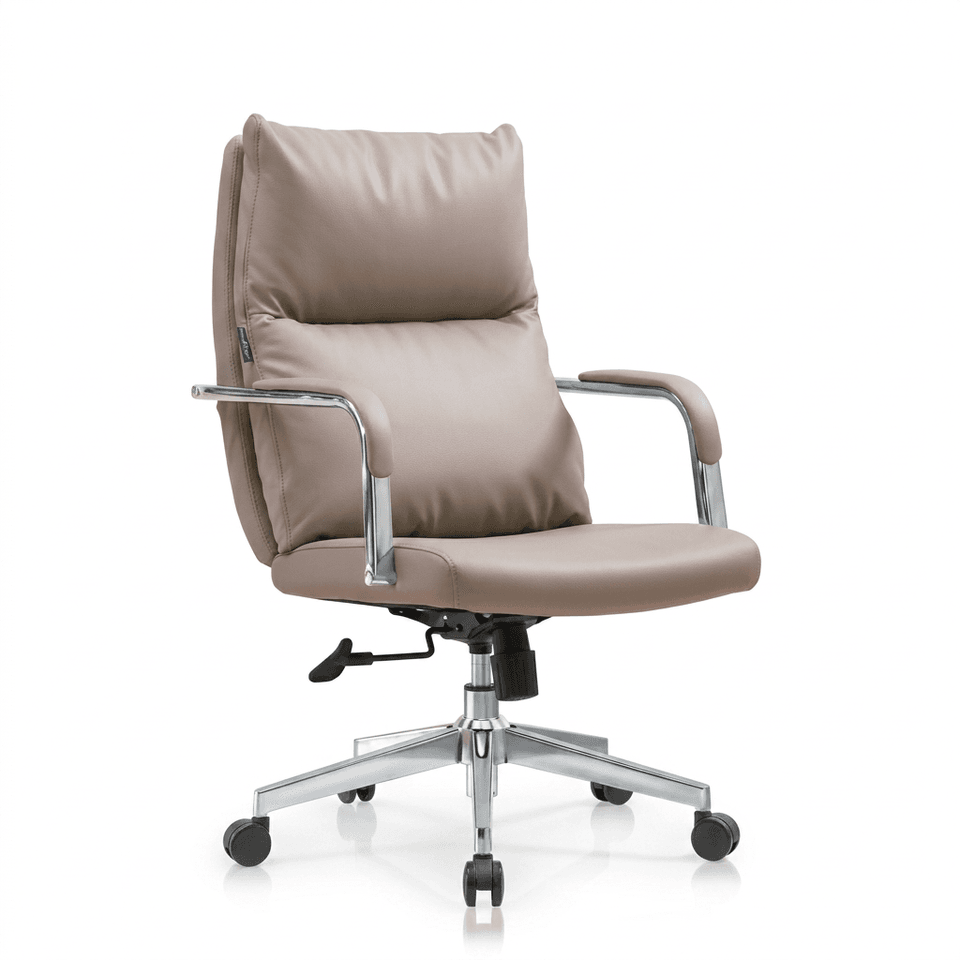
1. Functional Design: Smart Lumbar Support and Ventilation System
Some high-end ergonomic office chairs address summer heat issues with smart lumbar support systems and three-speed suction seat designs. The smart lumbar support system dynamically adjusts the backrest angle to fit the natural curve of the spine, distributing pressure on the lower back and preventing muscle fatigue caused by prolonged sitting. The three-speed suction seat design uses built-in fans to accelerate air circulation, creating localized airflow that effectively reduces sweating and stickiness on the buttocks and back due to prolonged contact with the chair surface. This design is particularly suitable for users who need to work at a desk for extended periods, balancing comfort and health needs.
2. Material Characteristics: Breathability and Heat Dissipation as Priorities
The choice of materials for summer office chair backrests should prioritize breathability. Common solutions include:
- Wicker Structure: The backrest woven from natural rattan features tiny pores that allow air to pass freely, reducing sweat accumulation. Additionally, rattan has low thermal conductivity, providing a cool touch. For example, a certain folding lounge chair with a thick wicker backrest is priced at ¥241.8, suitable for office naps or balcony relaxation.
- Breathable Mesh Fabric: High-density mesh fabric promotes air exchange through fiber gaps, quickly expelling moisture from the body and keeping the back dry. Some products also incorporate antibacterial coatings on the inner layer of the mesh to inhibit bacterial growth, making them suitable for users prone to sweating.
- Hollowed-Out Plastic or Metal Frames: Geometric cutting or perforation techniques increase the surface area of the backrest, enhancing heat dissipation efficiency while reducing the overall weight of the chair for easy mobility.
3. Product Examples: Matching Functionality with Scenarios
- Entry-Level Ergonomic Chair (e.g., Xiamumu Fit CC): The backrest supports forward and backward adjustment, allowing users to customize support intensity based on sitting habits. Paired with high-density foam cushions, it distributes pressure on the buttocks. Although it lacks an active ventilation system, the breathable mesh fabric and hollowed-out design still meet basic heat dissipation needs, making it suitable for budget-conscious users who need to sit for long periods.
- Folding Lounge Chair-Style Office Chairs: These chairs primarily use wicker or breathable mesh fabric, with backrests adjustable to multiple angles (e.g., 110°-160°), catering to both office work and nap scenarios. Some models feature thick cushions and non-slip footrests for enhanced stability, priced affordably (e.g., the ¥241.8 model), ideal for small spaces or temporary office setups.
Summary: When choosing a summer office chair backrest, consider functional needs and budget, prioritizing ventilation design, material breathability, and ergonomic support. High-end products can achieve active heat dissipation through smart systems, while entry-level models rely on material and structural optimizations for passive cooling. Users can choose flexibly based on their usage scenarios.


