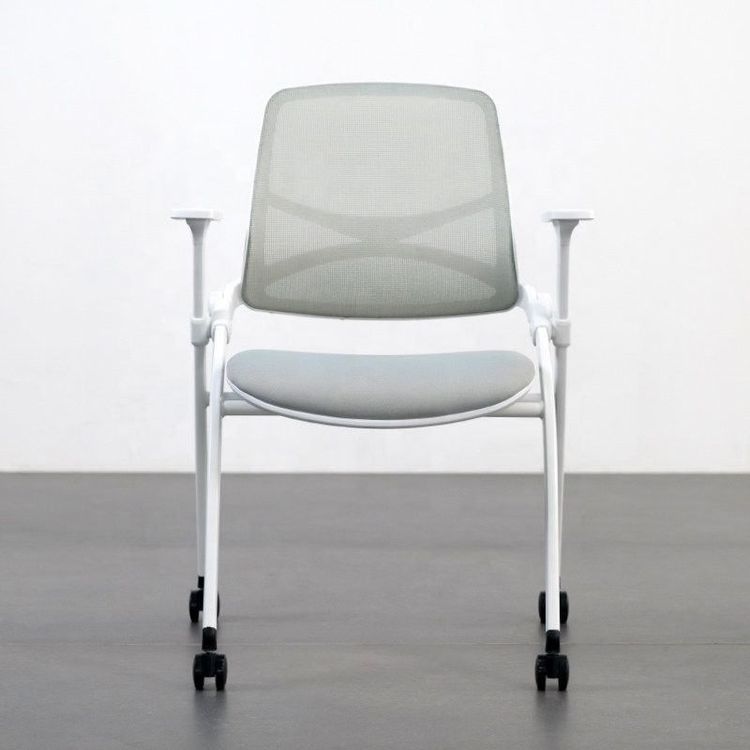
Office Chair Sketches
Here are some classic sketches related to office chairs:

"The Boss's Chair"
This sketch uses exaggerated comedic techniques to present unexpected events in the workplace. The core plot revolves around Xiao Shenyang accidentally sitting on and damaging a high-end office chair worth 100,000 yuan, creating laughs through the characters' exaggerated reactions to the expensive chair (such as nervousness, panic, and attempts to cover up the truth). The setting of the 100,000-yuan chair not only highlights workplace status differences but also strengthens the comedic conflict with its absurdly high price as a prop. For example, Xiao Shenyang's comical body language and lines due to fear of taking responsibility become the highlights of the entire play. Such designs are often used to satirize formalism or resource waste in the workplace.
"Happy Workshop"
Set against the backdrop of a company's annual meeting, this sketch unfolds through the scene of a workshop supervisor holding a meeting. The stage props include five ordinary office chairs, which are not only tools for the characters to sit on but also key elements driving the plot. For example, the supervisor triggers disputes among employees due to uneven chair distribution or hints at changes in power dynamics by adjusting chair positions. The plot may involve details such as chair damage or competition, reflecting communication issues or hierarchical concepts in workplace management through everyday scenes, suitable for the relaxed atmosphere of an annual meeting.
"The Passionate Years"
This office-themed sketch uses simple tables and chairs as props, focusing on daily interactions in the workplace. The office chair, as a basic element of the scene, carries the characters' behaviors and emotional expressions. For example, employees may have conflicts due to differences in chair comfort or hint at the closeness of relationships through chair movements. The plot may revolve around office scenarios such as overtime work or reporting, with the chair participating in the narrative as a "silent supporting character", such as the protagonist complaining about discomfort from sitting for too long or using the chair to create unexpected incidents (like falling) to add comedic effects,贴近真实职场生态 (close to the real workplace ecology).
Summary
Office chairs often serve as symbolic props in sketches: they can create conflicts through settings such as "high price" or "damage", and they can also reflect workplace rules through details such as distribution and use. Their core role lies in carrying abstract themes through specific objects, such as status differences, management issues, or interpersonal conflicts, enabling the audience to resonate with laughter.