
Office Chair Seat Support
The office chair seat support is a crucial component of the office chair base, and its material, functionality, and price directly affect the chair's stability and user experience.
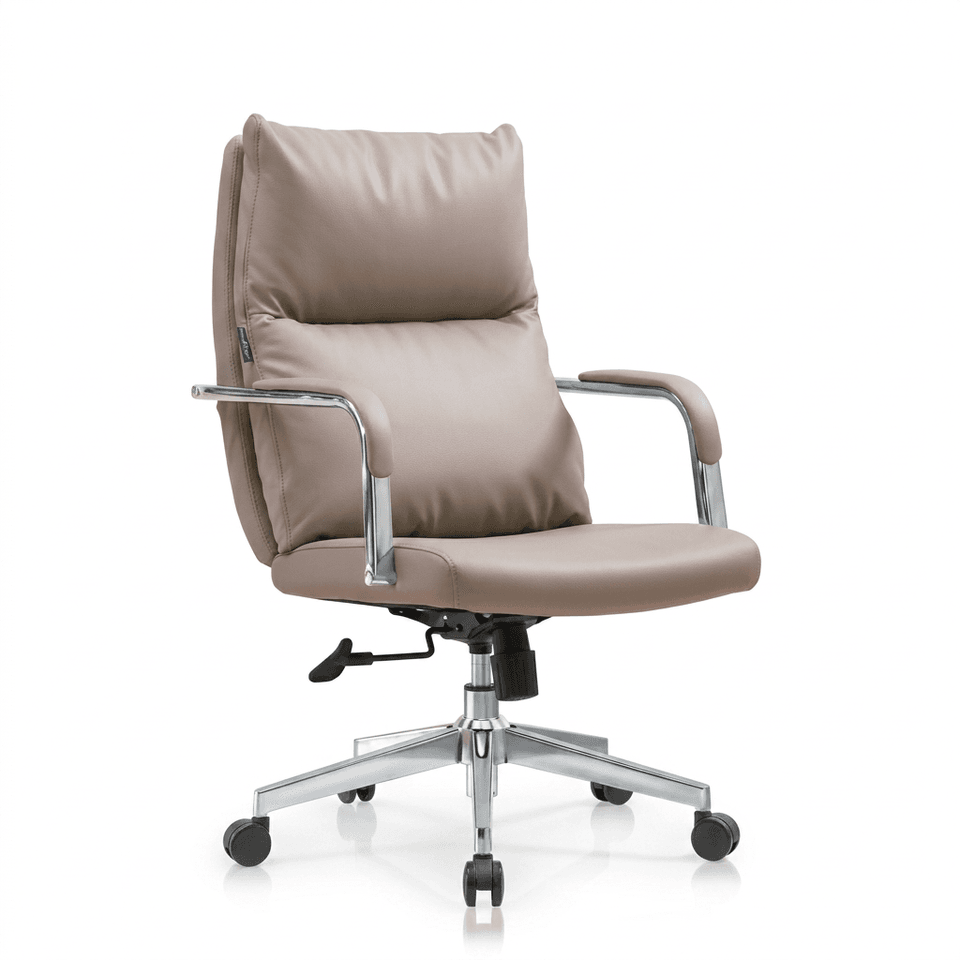
Material and Types
The material of office chair seat supports is primarily metal, with the die-cast aluminum alloy tray being a common choice. Formed through high-pressure casting, it features high density, great strength, and corrosion resistance, enabling it to withstand significant pressure without deformation, making it suitable for long-term use. Another common type is the rotating, adjustable, and height-lifting swivel chair tray, which typically employs a steel or aluminum alloy frame paired with plastic or nylon components. It achieves height adjustment and rotation through built-in gas springs or mechanical structures, meeting users' needs for flexible sitting positions.
Function and Design
The core function of the seat support is to support the seat and connect the base to the chair legs, with its design needing to balance load-bearing capacity and stability. For example, some high-end seat supports use thickened steel plate or aluminum alloy integrated molding processes, enhancing impact resistance by optimizing structural distribution (such as adding reinforcing ribs); some adjustable seat supports are also equipped with locking mechanisms, allowing users to fix the seat angle with knobs or wrenches to prevent accidental sliding. Additionally, the connection method between the seat support and the base (such as bolt fixation or snap-fit design) also affects installation convenience and overall durability.
Price and Selection
The price of office chair seat supports varies significantly based on material and functionality: Basic die-cast aluminum alloy trays typically range from 5 to 15 yuan, suitable for budget-conscious general office settings; trays with rotating and lifting functions often cost between 20 and 50 yuan, commonly found in mid-to-high-end ergonomic chairs; while seat supports using special processes (such as anti-rust coatings) or custom-branded designs may exceed 80 yuan. When selecting, it's essential to focus on load-bearing capacity parameters (generally requiring ≥100kg) and testing certifications (such as BIFMA standards) to ensure the seat support matches the overall chair design and avoids safety hazards caused by an unstable base.
Maintenance and Precautions
After prolonged use, the gas spring or rotating components of the seat support may experience wear and require regular inspection and lubricant replacement; if cracks or deformation are found on the seat support surface, it should be immediately discontinued and replaced with a new part. Additionally, during installation, ensure that the connecting bolts between the seat support, chair legs, and seat are tightened to prevent chair wobbling due to looseness.



